






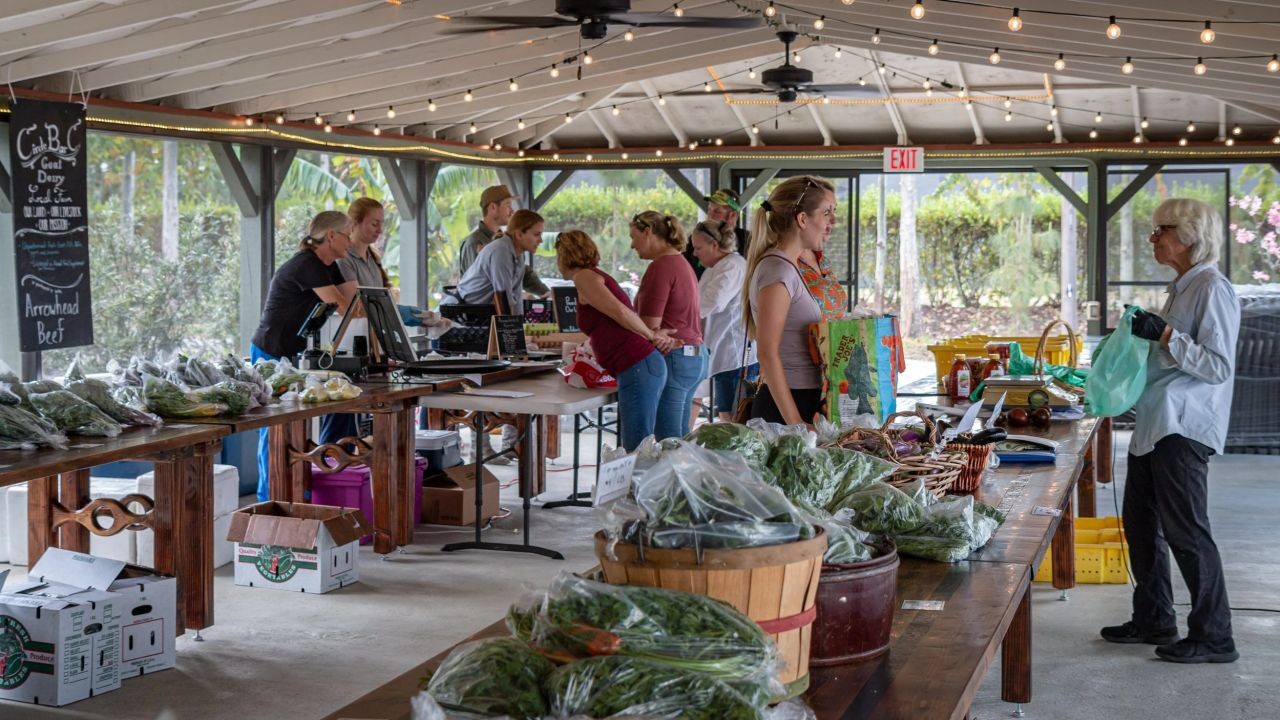
In recent years, New Zealand's vibrant food culture has taken center stage, captivating both locals and international audiences. With an increasing emphasis on authenticity and diversity, platforms like Pasifika Festivals and Kai Markets are showcasing the richness of Kiwi cuisine through engaging video content. This trend not only highlights New Zealand's culinary prowess but also offers significant opportunities for investors and businesses aiming to tap into this burgeoning market.
Future Forecast & Trends
New Zealand's food culture is evolving rapidly, with a focus on sustainability, local produce, and cultural heritage. According to a 2023 report by Stats NZ, the food and beverage sector contributed over NZD 50 billion to the national economy, with a projected growth rate of 3.5% annually. The rise of video content as a medium for showcasing food culture is part of a global trend. A recent study by Deloitte found that 73% of consumers are more likely to purchase a product after watching a video about it.
In New Zealand, this trend is particularly impactful. The Pasifika Festival, a celebration of Pacific Island cultures, attracts over 200,000 visitors annually. Video content from these events not only enhances cultural appreciation but also drives tourism and boosts local businesses. Similarly, Kai Markets, which focus on indigenous Māori food, have witnessed increased foot traffic and online engagement through video promotions.
Debate & Contrasting Views
While video marketing has proven effective, there are contrasting views on its long-term sustainability. Advocates argue that videos offer a dynamic way to engage audiences, especially when showcasing the vibrant colors and flavors of Kiwi cuisine. On the other hand, critics point out that video production can be resource-intensive and may not always yield a positive return on investment (ROI) for smaller businesses.
To bridge this divide, businesses are encouraged to adopt a balanced approach. Leveraging user-generated content and short-form videos can reduce costs while maintaining engagement. Moreover, New Zealand's government supports digital innovation through initiatives like the Digital Economy Strategy, which aims to enhance the digital capabilities of local businesses.
Expert Opinion & Thought Leadership
Industry experts highlight the potential of video content to transform New Zealand's food sector. Sarah Thompson, a leading food marketing strategist, emphasizes that "video content is not just a trend; it's a vital tool for storytelling and brand building. For New Zealand's food industry, it's about creating an emotional connection with consumers, showcasing the origins and stories behind each dish."
Furthermore, according to the Reserve Bank of New Zealand, the digital economy is a key driver of growth. As more businesses integrate video marketing into their strategies, the demand for skilled content creators and marketers is likely to increase, presenting an opportunity for workforce development in this sector.
Case Study: Auckland's Pasifika Festival – A Video-Driven Success
Problem:
Auckland's Pasifika Festival, though popular, faced challenges in expanding its reach beyond local attendees. The festival needed a strategy to attract international visitors and increase online engagement.
Action:
Organizers partnered with local videographers to create a series of short videos highlighting the festival's cultural performances, food stalls, and vibrant atmosphere. These videos were shared across social media platforms and featured in online travel guides.
Result:
Within a year, the festival's online presence grew significantly: ✅ Website traffic increased by 50% ✅ Social media engagement rose by 65% ✅ International visitor numbers increased by 30%
Takeaway:
This case study underscores the power of video content in promoting cultural events. For New Zealand businesses, leveraging video can enhance brand visibility and attract a global audience.
Common Myths & Mistakes
- Myth: "Video marketing is too expensive for small businesses." Reality: With smartphones and affordable editing tools, creating engaging video content is more accessible than ever (Source: NZ Business Insights 2024).
- Myth: "Only professional videos are effective." Reality: Authentic, user-generated content often performs better due to its relatability (Source: Consumer NZ 2023).
- Myth: "Videos need to go viral to be successful." Reality: Success is measured by engagement and conversions, not just views (Source: Vidude.com Analytics).
Conclusion
As New Zealand's food culture continues to flourish, video content offers a dynamic platform for showcasing this diversity. By embracing video marketing, businesses can connect with consumers on a deeper level, driving both local and international engagement. The future of New Zealand's food industry is bright, with video content poised to play a pivotal role in its growth.
Want to explore how video marketing can elevate your business? Engage with our community of Kiwi entrepreneurs and share your insights below!
Related Search Queries
- New Zealand food culture video marketing
- Pasifika Festival Auckland 2024
- Kai Markets Māori cuisine
- Video marketing trends 2024
- Digital economy strategy New Zealand
People Also Ask (FAQ)
- How does video content impact New Zealand's food industry?Video content enhances engagement, increasing consumer interest in local cuisine and boosting tourism. It helps businesses reach a wider audience, driving growth in the sector.
- What are the benefits of showcasing food culture through video?Videos offer a dynamic way to tell stories, connect emotionally with consumers, and promote cultural diversity, leading to increased brand loyalty and sales.
- What upcoming changes could affect video marketing in New Zealand?By 2026, policy updates in digital marketing could influence content strategies—businesses should stay informed and adapt to remain competitive.
For the full context and strategies on From Pasifika Festivals to Kai Markets: Showcasing NZ Food Culture Through Video, see our main guide: Hospitality Training Safety Videos New Zealand.































mefase8745
4 months ago