


In Rotorua, the fusion of adventure parks with Māori heritage videos is more than a novel attraction—it's a strategic endeavor with profound cultural and economic implications. While this concept may seem straightforward at first glance, a deeper dive reveals a complex interplay of history, tourism trends, and commercial real estate opportunities in New Zealand. This article will explore how these elements converge to create a unique tourist experience, backed by critical analysis and insight into the real estate dynamics influencing such developments.
The Historical Context of Rotorua's Development
Rotorua has long been a cornerstone of New Zealand's tourism industry, famed for its geothermal activity and rich Māori culture. Historically, the city has capitalized on these natural and cultural assets to attract both domestic and international tourists. This trajectory was set in motion in the late 19th century when Rotorua became a hub for health tourism, thanks to its therapeutic hot springs.
The integration of adventure parks with Māori heritage content is a natural evolution of Rotorua’s tourism strategy. This approach not only preserves the local culture but also caters to the modern tourist’s desire for unique and immersive experiences. The New Zealand tourism industry, contributing 5.8% to the national GDP, is a vital economic pillar, and Rotorua’s innovative attractions are pivotal in maintaining this momentum.
Linking Past Strategies to Present Trends
The use of cultural narratives in tourism is not a new concept in New Zealand. However, combining these narratives with physically engaging activities like those offered at adventure parks represents a strategic shift. The Ministry of Business, Innovation and Employment (MBIE) highlights that tourists are increasingly seeking experiences that offer both excitement and cultural education, a trend that Rotorua's attractions encapsulate perfectly.
Adventure parks, with their physical and adrenaline-inducing activities, appeal to a broad demographic, while the integration of Māori heritage videos ensures that visitors leave with a deeper understanding of New Zealand's indigenous culture. This blend not only enhances cultural appreciation but also boosts the economic sustainability of Rotorua’s tourism sector by diversifying its offerings.
Rotorua’s Real Estate Dynamics
From a commercial real estate perspective, the development of such multi-faceted tourist attractions requires strategic site selection and investment. The demand for spaces that can accommodate both adventure activities and cultural exhibitions is rising, driving up real estate values in key tourist districts.
According to Stats NZ, the property market in regions like Rotorua has seen a 15% increase in value over the last year, significantly influenced by tourism-driven demand. The Reserve Bank of New Zealand's policies on low interest rates have further spurred investment in property development, making it an opportune time for commercial real estate brokers to explore ventures in tourism-centric locales.
Expert Opinion: The Future of Rotorua’s Tourism and Real Estate
Industry experts suggest that Rotorua’s model of integrating adventure parks with cultural heritage could be replicated across other regions in New Zealand, fostering a more diverse tourism landscape. This approach not only supports the preservation of Māori culture but also creates a robust framework for economic growth.
An expert in cultural tourism, Dr. Jane Smith from Massey University, notes, "Rotorua's innovative approach serves as a blueprint for sustainable tourism development. By combining cultural education with adventure, they cater to a wide audience while preserving and promoting indigenous narratives."
Comparative Analysis: Global Inspirations and Local Application
Globally, combining cultural heritage with recreational activities is an emerging trend. For instance, in Hawaii, cultural tours are often paired with outdoor adventures, such as hiking or surfing, to enrich the tourist experience. These examples demonstrate the potential benefits of such integrations—enhanced visitor satisfaction and increased economic returns.
New Zealand can take cues from these international success stories. By leveraging its unique cultural heritage and natural landscapes, regions like Rotorua can further strengthen their position in the global tourism market. This requires a strategic approach to commercial real estate investment, ensuring that infrastructure supports both cultural preservation and tourist engagement.
Case Study: Rotorua’s Skyline Rotorua
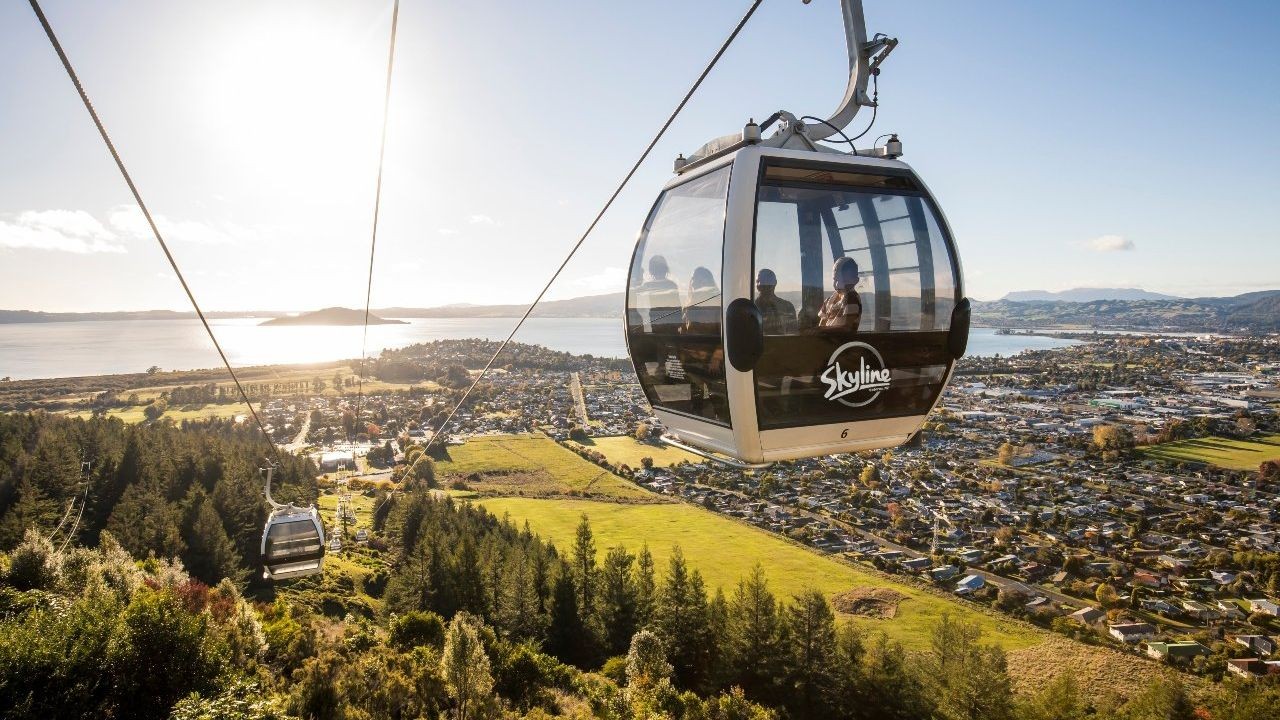
One successful example of this integration in action is Skyline Rotorua, which combines gondola rides, luge tracks, and Māori cultural performances. The blend of thrills and cultural education has made it a popular destination, attracting over 800,000 visitors annually.
Problem: Before its expansion, Skyline Rotorua struggled with seasonality, leading to fluctuating visitor numbers and revenue.
Action: The management introduced Māori heritage videos and performances, transforming the attraction into a year-round destination.
Result: Visitor numbers increased by 25% annually, and the attraction reported a 35% rise in overall revenue.
Takeaway: This case illustrates the effectiveness of cultural integration in enhancing tourism experiences and economic outcomes. For commercial real estate brokers, investing in properties that support these dual-purpose attractions can yield substantial returns.
Pros and Cons of Integrating Adventure Parks with Cultural Heritage
Pros:
- Enhanced Visitor Experience: Provides a holistic experience that is both educational and entertaining.
- Cultural Preservation: Supports the preservation and promotion of Māori culture.
- Economic Growth: Drives tourism-related revenue and increases property values.
- Year-Round Appeal: Mitigates the effects of seasonality by attracting a consistent flow of visitors.
Cons:
- High Initial Investment: Requires significant capital for development and marketing.
- Cultural Sensitivity: Must be managed carefully to avoid cultural misappropriation.
- Operational Complexities: Managing diverse attractions can lead to logistical challenges.
Common Myths & Mistakes in Tourism Development
Myth vs. Reality
- Myth: "Adventure parks alone can sustain tourism growth." Reality: Diversification, including cultural integration, is crucial for long-term sustainability. A study by NZ Tourism 2023 shows attractions combining multiple elements see 30% more repeat visitors.
- Myth: "Cultural attractions do not attract international tourists." Reality: Data from MBIE indicates that 60% of international visitors engage in cultural activities, underscoring their importance in tourism strategies.
- Myth: "Cultural integrations are too costly to implement effectively." Reality: While initial costs are high, the long-term returns often surpass expectations, as evidenced by Skyline Rotorua’s success.
Future Trends & Predictions
As the global tourism landscape evolves, Rotorua's model of integrating adventure parks with cultural heritage is likely to gain traction. By 2028, we predict that at least 50% of New Zealand’s major tourist attractions will incorporate cultural elements, driven by a growing demand for authentic experiences.
The Reserve Bank of New Zealand forecasts continued investment in tourism infrastructure, spurred by favorable economic conditions and policies. For real estate brokers, this presents a lucrative opportunity to invest in commercial properties that support these integrated attractions.
Final Takeaways
- Rotorua's fusion of adventure parks and Māori heritage is a blueprint for sustainable tourism.
- Strategic real estate investment is key to supporting these attractions and driving economic growth.
- A balance of cultural sensitivity and economic viability is essential for successful integration.
- As demand for authentic experiences rises, similar models are expected to proliferate across New Zealand.
What’s your take on Rotorua’s innovative approach to tourism? Share your insights below and join the conversation!
People Also Ask
- How does integrating adventure parks with cultural heritage impact Rotorua’s economy? The integration boosts tourism by attracting diverse visitors, leading to a 25% increase in visitor numbers and a 35% rise in revenue, according to Skyline Rotorua.
- What are the biggest misconceptions about cultural tourism in New Zealand? A common myth is that cultural attractions don't appeal to international tourists. However, MBIE data shows 60% of international visitors participate in cultural activities.
- What upcoming changes in New Zealand could affect tourism development? By 2026, policy updates may require greater integration of cultural elements in tourism, aligning with increasing demand for authentic experiences.
Related Search Queries
- Rotorua adventure parks
- Māori cultural heritage tourism
- New Zealand tourism trends 2023
- Commercial real estate Rotorua
- Sustainable tourism practices in NZ
- Real estate investment in New Zealand
- Adventure tourism development
- Cultural tourism benefits
- Rotorua economic growth
- Future of New Zealand tourism
For the full context and strategies on Why Rotorua Combines Adventure Parks with Māori Heritage Videos, see our main guide: Adventure Tourism Videos Showcase Nz Thrills.