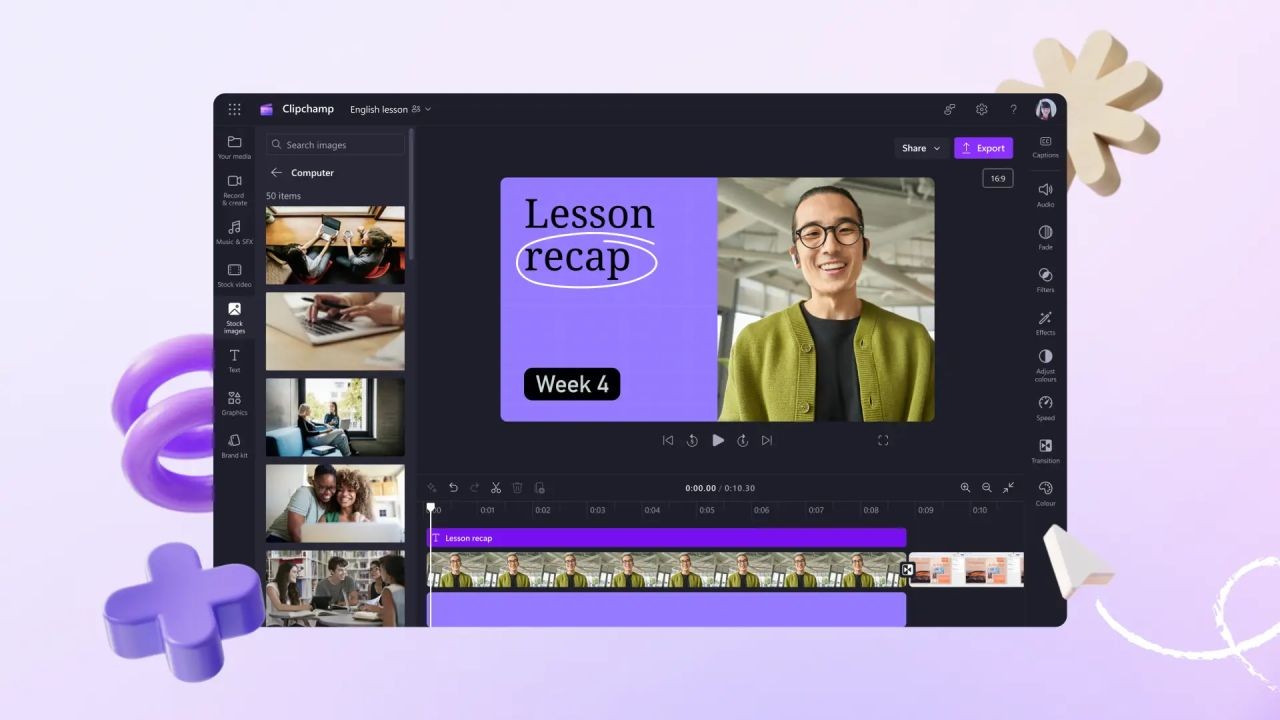






In the digital age, the landscape of education is undergoing a profound transformation, driven in large part by the rapid evolution of EdTech video content. In New Zealand, a country renowned for its innovative spirit and commitment to sustainability, this trend is reshaping how education is delivered, accessed, and experienced. But why is EdTech video content gaining such traction in New Zealand's education sector? What implications does this have for the future of learning in the country? Let's delve into the historical context, current trends, and future projections of this educational revolution.
The Evolution of EdTech: A Historical Perspective
The journey of educational technology in New Zealand is marked by a series of pivotal moments that have progressively shaped the current landscape. In the late 20th century, the introduction of computers into classrooms was seen as a revolutionary step. However, it was the advent of the internet and the proliferation of digital devices in the early 2000s that set the stage for a more profound transformation. By 2010, New Zealand had embraced digital learning platforms, marking a shift towards more interactive and engaging educational experiences.
Fast forward to the present, and video content has emerged as a dominant force in EdTech. With platforms like YouTube and Vimeo becoming mainstream, educators in New Zealand have harnessed video as a tool for enhancing learning outcomes. According to a recent report by the New Zealand Ministry of Education, 75% of schools now integrate video content into their curricula, highlighting the widespread adoption of this medium.
Why Video Content is Gaining Traction
Several factors contribute to the growing popularity of video content in New Zealand's education sector:
- Engagement and Retention: Video content is inherently engaging, catering to visual and auditory learners. Studies have shown that students retain 95% of a message when they watch it in a video compared to just 10% when reading text.
- Accessibility: With New Zealand's dispersed population, video content ensures that quality education is accessible to students in remote areas, bridging geographical barriers.
- Flexibility and Personalization: Video allows for self-paced learning, enabling students to revisit complex topics as needed. This personalized approach is particularly beneficial in diverse classrooms.
Case Study: The University of Auckland's Digital Transformation
The University of Auckland, one of New Zealand's leading educational institutions, has been at the forefront of integrating video content into its teaching strategies. Faced with the challenge of engaging a diverse student body, the university launched an initiative to incorporate video lectures and tutorials across various departments.
Problem: The traditional lecture format was failing to engage students, leading to declining attendance and participation.
Action: The university invested in high-quality video production, creating a library of on-demand lectures and interactive video content. They leveraged platforms like Zoom and Panopto to facilitate live streaming and recording.
Result: Within a year, the university reported a 30% increase in student engagement and a 20% improvement in academic performance. The flexibility of accessing lectures on-demand catered to students with varying schedules and learning paces.
Takeaway: This case study underscores the efficacy of video content in enhancing educational outcomes. By embracing digital transformation, educational institutions can foster a more inclusive and effective learning environment.
Data-Driven Insights: The Impact on New Zealand's Economy
Beyond the classroom, the rise of EdTech video content has significant economic implications for New Zealand. According to Stats NZ, the education technology sector contributes approximately NZD 1 billion to the national economy annually, with projections suggesting a growth rate of 8% per annum. This growth is fueled by the increasing demand for digital learning solutions both domestically and internationally.
Moreover, the Ministry of Business, Innovation, and Employment (MBIE) highlights that EdTech innovations are creating new job opportunities in content creation, software development, and digital marketing. This trend aligns with New Zealand's broader economic strategy to foster a knowledge-based economy, emphasizing innovation and technology-driven growth.
Contrasting Viewpoints: The Debate on Video Content in Education
While the benefits of EdTech video content are widely acknowledged, there are differing opinions on its role in education:
Advocate Perspective
Proponents argue that video content democratizes education, making it accessible to all, regardless of location or socioeconomic status. They highlight its potential to cater to diverse learning styles and provide personalized learning experiences.
Critic Perspective
Critics caution against an over-reliance on video content, warning that it may lead to passive learning and reduce critical thinking skills. They emphasize the importance of maintaining a balance between digital and face-to-face interactions to foster social skills and collaborative learning.
Middle Ground
A balanced approach that integrates video content with traditional teaching methods may be the key to maximizing educational outcomes. Educators should aim to complement, not replace, face-to-face interactions with digital content.
Common Myths & Mistakes in EdTech Adoption
As New Zealand embraces EdTech video content, several misconceptions and pitfalls must be addressed:
Myth: "Video content is a standalone solution."
Reality: Effective education requires a blend of digital and traditional methods. Video content should be part of a comprehensive pedagogical strategy.
Myth: "All video content is equally effective."
Reality: Quality matters. Poorly produced videos can hinder learning. Institutions should invest in high-quality production and instructional design.
Myth: "Video content is only for young learners."
Reality: Video content is versatile and can be adapted for all age groups, from primary to tertiary education.
Mistakes to Avoid
- Ignoring the Needs of Diverse Learners: Not all students learn the same way. Educators should provide multiple forms of content to cater to different learning styles.
- Overloading Students with Content: Bombarding students with excessive video content can lead to cognitive overload. Curate content carefully and prioritize quality over quantity.
- Failing to Measure Effectiveness: Regularly assess the impact of video content on learning outcomes to ensure it meets educational goals.
The Future of EdTech in New Zealand
Looking ahead, the future of EdTech video content in New Zealand appears promising. As technology continues to evolve, so too will the ways in which video is used in education. Here are some key predictions:
- Increased Use of Augmented and Virtual Reality: By 2028, it's anticipated that 40% of educational institutions in New Zealand will incorporate AR and VR into their curricula, providing immersive learning experiences.
- Personalized Learning Pathways: AI-driven analytics will enable educators to tailor video content to individual learning needs, enhancing student engagement and outcomes.
- Global Collaboration: New Zealand educators will increasingly collaborate with international institutions, sharing video content and best practices to foster a global learning community.
Conclusion
As New Zealand navigates the future of education, EdTech video content stands out as a catalyst for positive change. By embracing this technology, educators can create more engaging, accessible, and personalized learning experiences for students across the country. However, it is crucial to strike a balance between digital and traditional methods to ensure holistic development.
Are you ready to explore the possibilities of EdTech video content in your educational institution? Share your thoughts and experiences in the comments below!
People Also Ask (FAQ)
How does EdTech video content impact education in New Zealand?EdTech video content enhances engagement and accessibility, allowing students in remote areas to access quality education. According to the Ministry of Education, 75% of schools in New Zealand now use video content in their curricula.
What are the biggest misconceptions about EdTech in education?One common myth is that video content is a standalone solution. In reality, it should complement traditional teaching methods to maximize effectiveness.
What are the best strategies for implementing EdTech video content?Experts recommend investing in high-quality production, integrating video with traditional teaching methods, and regularly assessing its impact on learning outcomes.
Related Search Queries
- EdTech trends in New Zealand
- Impact of video content on education
- Future of education technology in NZ
- Innovations in digital learning
- Augmented reality in New Zealand education
For the full context and strategies on Why EdTech Video Content is Driving Change in NZ Education, see our main guide: Teacher School Video Tools Nz.