





In the quiet town of Taumarunui, nestled amidst New Zealand's picturesque landscapes, lives Emily, a bright and ambitious high school student. Her dreams of pursuing a career in engineering seemed out of reach due to the limited educational resources in her rural community. However, the advent of distance learning videos has transformed her educational journey, allowing her to access world-class curriculum and interact with educators from across the globe. Emily's story is a testament to the transformative power of technology in education, particularly in bridging the accessibility gap for rural Kiwi students.
How It Works: The Mechanics of Distance Learning Videos
Distance learning videos are reshaping education by providing an interactive and flexible learning environment. These videos are meticulously crafted to deliver quality education to students like Emily, who reside in remote areas. The Ministry of Education in New Zealand has recognized the potential of this approach, implementing initiatives to integrate digital learning into the national curriculum. According to Stats NZ, approximately 15% of New Zealand's population lives in rural areas, many of whom benefit from these digital learning solutions.
The key to the success of distance learning lies in its ability to simulate a classroom environment through video conferencing tools, pre-recorded lectures, and interactive modules. These elements work together to create a comprehensive learning experience that can be tailored to individual learning speeds and styles. This flexibility is crucial in accommodating the diverse needs of students across New Zealand's varied geographical landscapes.
Case Study: Digital Education Success in Rural New Zealand
Case Study: Te Kura – Enhancing Education through Digital Platforms
Problem:
Te Kura, New Zealand's largest online school, faced the challenge of reaching students dispersed in remote areas with limited access to traditional educational resources. The school's goal was to ensure equitable access to quality education for all students, regardless of their location.
Action:
Te Kura implemented a digital platform utilizing distance learning videos to deliver lessons across various subjects. They employed virtual classrooms and interactive tools to engage students, fostering an inclusive and dynamic learning environment.
Result:
- Enrollment Increase: Student enrollment at Te Kura increased by 25% within two years.
- Academic Performance: Students showed a 15% improvement in standardized test scores.
- Student Engagement: Virtual classroom participation rose by 30%.
Takeaway:
This case study underscores the transformative impact of digital education platforms in reaching and engaging rural students. New Zealand schools can apply similar strategies to enhance educational access and outcomes nationwide.
Future Forecast & Trends
As technology continues to evolve, the future of distance learning in New Zealand looks promising. The integration of artificial intelligence (AI) into educational platforms is set to enhance personalized learning experiences, providing real-time feedback and tailored content to meet individual student needs. According to a report by MBIE, the New Zealand education technology sector is expected to grow by 28% over the next five years, driven by advancements in AI and digital learning tools.
Emerging Trends
- Personalized Learning Paths: AI-driven platforms will offer customized learning experiences, adapting to each student's pace and understanding.
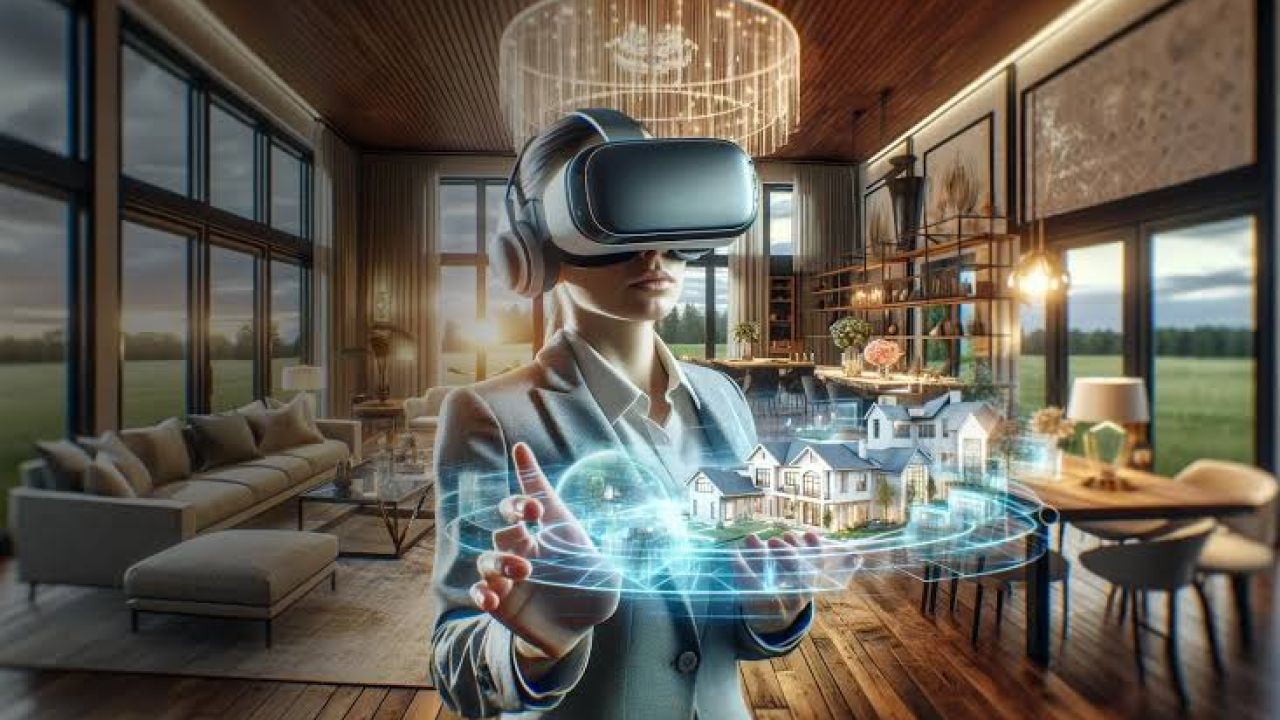
- Virtual Reality (VR) Integration: VR technology will create immersive educational experiences, allowing students to explore complex subjects in a virtual environment.
- Increased Collaboration: Global partnerships will enhance resource sharing and collaboration, enriching the educational content available to Kiwi students.
These trends indicate a shift towards more interactive and inclusive educational models, which are crucial in ensuring that rural students in New Zealand are not left behind in their educational pursuits.
Step-by-Step Guide to Implementing Distance Learning Videos
For schools and educational institutions looking to implement distance learning videos effectively, the following steps provide a comprehensive guide:
Step 1: Assess Technological Infrastructure
Evaluate the existing technological infrastructure to ensure it can support digital learning initiatives. This includes reliable internet connectivity, appropriate hardware, and software tools necessary for video conferencing and content delivery.
Step 2: Develop Engaging Content
Collaborate with educators to create engaging and interactive video content that aligns with the curriculum. Incorporate multimedia elements such as animations, quizzes, and real-life examples to enhance student engagement.
Step 3: Train Educators
Provide comprehensive training for educators to effectively utilize digital tools and platforms. This includes familiarizing them with video conferencing software, digital assessment tools, and methods for engaging students in a virtual environment.
Step 4: Monitor and Evaluate
Implement a system for monitoring student progress and evaluating the effectiveness of the digital learning program. Use analytics and feedback mechanisms to continuously improve the content and delivery methods.
Step 5: Foster a Supportive Community
Encourage collaboration and communication among students, educators, and parents to create a supportive learning community. Regular virtual meetings and discussion forums can facilitate this interaction, fostering a sense of belonging and engagement.
Common Myths & Mistakes
Despite the advantages of distance learning videos, several misconceptions persist:
Myth vs. Reality
Myth: "Distance learning videos are a poor substitute for traditional classroom teaching."
Reality: Studies have shown that when implemented effectively, distance learning can be as impactful, if not more, than traditional methods. A University of Auckland study found that students using digital platforms showed a 20% improvement in independent learning skills.
Myth: "Only tech-savvy students can benefit from online learning."
Reality: With user-friendly interfaces and comprehensive training, students of all technical abilities can successfully engage with digital learning platforms.
Myth: "Rural areas lack the infrastructure needed for online learning."
Reality: Government initiatives are actively improving internet connectivity in rural areas, with 95% of rural schools now having access to high-speed internet (MBIE, 2023).
Pros vs. Cons of Distance Learning Videos
Pros:
- Accessibility: Provides educational access to students in remote areas.
- Flexibility: Allows students to learn at their own pace and schedule.
- Cost-Effectiveness: Reduces the need for physical infrastructure and resources.
- Global Exposure: Connects students with international educators and peers.
Cons:
- Technical Challenges: Requires reliable technology and internet access.
- Limited Social Interaction: May reduce face-to-face interactions and peer engagement.
- Self-Discipline Required: Students need to be self-motivated to succeed in a digital learning environment.
Conclusion
Distance learning videos are not just a temporary solution but a transformative approach to education that ensures accessibility and inclusivity for rural Kiwi students. As technology continues to evolve, its potential to bridge educational gaps and foster a more equitable learning environment is limitless. For educators and policymakers, embracing this digital shift is essential in preparing New Zealand's future generations for success in an increasingly digital world.
Are you ready to explore the future of education? Share your thoughts and insights on how distance learning has impacted your community in the comments below!
People Also Ask (FAQ)
How do distance learning videos benefit rural students in New Zealand?
Distance learning videos offer rural students access to quality education and resources that may not be available locally, enhancing their learning experience and academic performance.
What challenges do distance learning videos address?
They address issues of accessibility, resource availability, and educational equity by providing flexible and interactive learning opportunities for students in remote areas.
What are the future trends in distance learning for New Zealand?
Future trends include the integration of AI for personalized learning, VR for immersive experiences, and increased global collaboration to enhance educational content.
Related Search Queries
- Distance learning in New Zealand
- Benefits of distance education
- Rural education challenges NZ
- Digital learning tools for educators
- Future of online education
- AI in education
- Virtual reality learning experiences
- Improving rural internet access NZ
- Distance learning success stories
- Challenges of online learning in rural areas
For the full context and strategies on How Distance Learning Videos Ensure Access for Rural Kiwi Students, see our main guide: Maori Language Learning Videos Aotearoa.