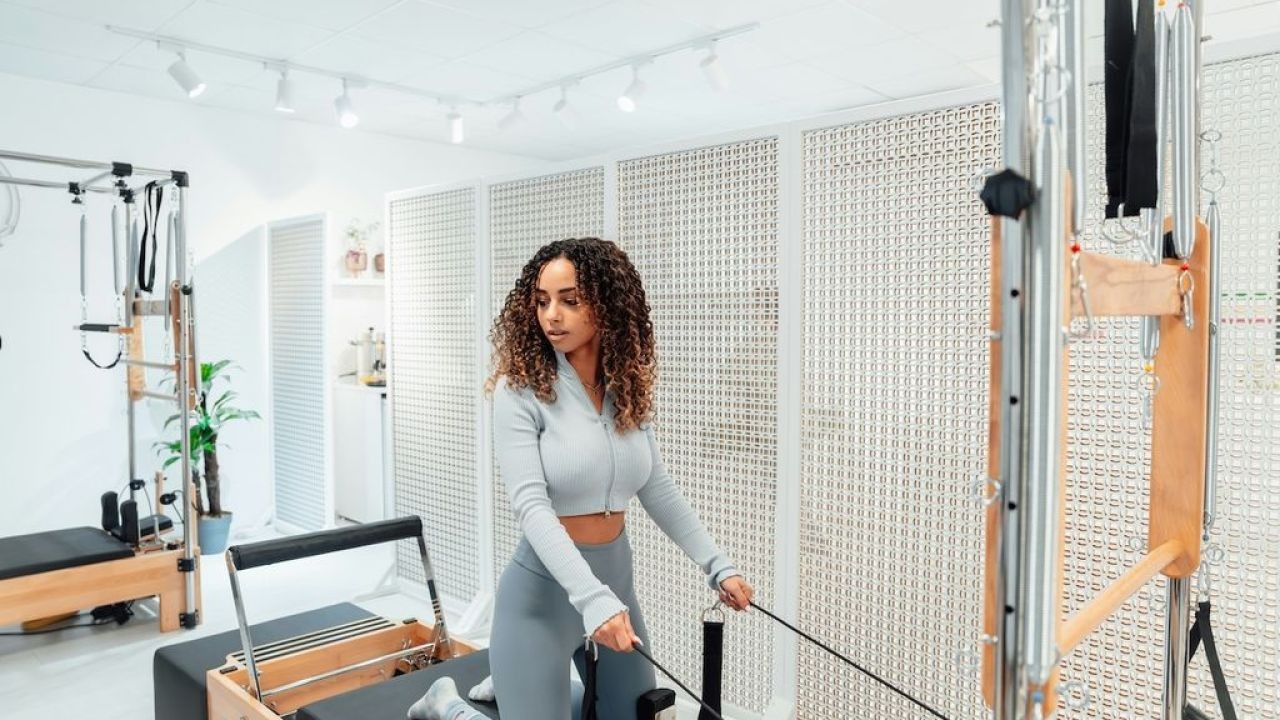




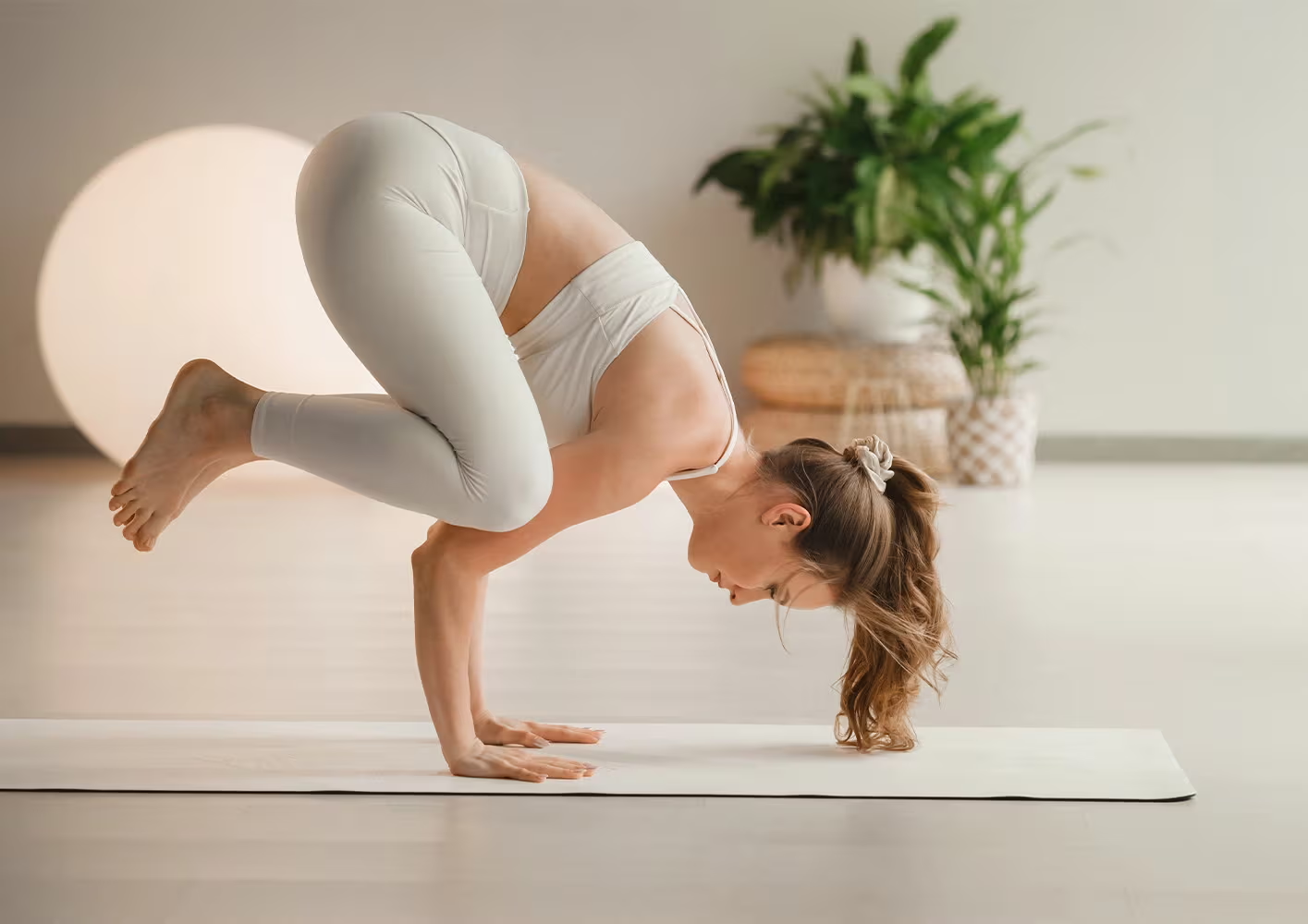
In the realm of fitness, yoga and Pilates have become essential practices for many seeking improved wellness and mindfulness. However, there's a growing need for content tailored specifically to the cultural and lifestyle nuances of New Zealanders. This article delves into the burgeoning sector of yoga and Pilates instructional videos designed for Kiwi audiences, presenting a detailed exploration of their pros and cons, operational insights, and real-world applications, all grounded in a local context.
Pros & Cons Evaluation
✅ Pros of Yoga and Pilates Videos for Kiwis
- Accessibility: With New Zealand's diverse geography, from bustling cities to remote rural areas, online videos make yoga and Pilates accessible to everyone, regardless of location.
- Cost-Effectiveness: Compared to in-person classes, which can cost upwards of NZD 25 per session, online videos offer a more affordable alternative.
- Customization: Videos can easily be tailored to suit different levels, from beginners to advanced practitioners, providing options to meet individual needs.
- Flexibility: Users can practice at any time, fitting sessions into their schedules with ease, which aligns well with the varied lifestyles of Kiwis.
- Enhanced Engagement: As digital natives, younger Kiwis are more likely to engage with video content, enhancing their commitment to regular practice.
❌ Cons of Yoga and Pilates Videos for Kiwis
- Lack of Personal Interaction: Without the presence of a live instructor, users may miss out on personalized feedback and corrections.
- Motivation Challenges: Practicing alone can lead to decreased motivation and discipline over time.
- Risk of Injury: Without proper guidance, there's an increased risk of incorrect form leading to injuries, particularly in more complex poses.
- Technology Dependence: Reliance on internet connectivity and devices can be a barrier for some, particularly in areas with limited access.
- Quality Variability: The quality of online videos can vary significantly, affecting the effectiveness of the practice.
How It Works (Deep Dive)
Yoga and Pilates instructional videos operate as a digital solution to traditional fitness classes, leveraging the power of technology and the internet to deliver content globally. Platforms like YouTube, Vimeo, and specialized fitness apps have become popular channels for distributing these videos. In New Zealand, fitness influencers and certified instructors are increasingly producing content tailored to local audiences, considering cultural nuances and lifestyle preferences.
Key Components of Effective Instructional Videos
- Professional Production: High-quality video and audio production are essential to ensure clear instruction and a pleasant viewing experience.
- Expert Instructors: Certified instructors with a deep understanding of yoga and Pilates principles ensure that content is both accurate and effective.
- Cultural Relevance: Incorporating elements of Kiwi culture, such as local music or scenic backdrops, enhances relatability and engagement.
- Interactive Elements: Features such as Q&A sessions, live classes, and feedback options can create a more interactive experience.
- Diverse Content: Offering a range of styles, from Hatha yoga to power Pilates, caters to a wide array of preferences and goals.
Case Study & Real-World Example
Case Study: Yogaland NZ – Bridging the Gap
Problem: Yogaland NZ, a Wellington-based startup, noticed a gap in the market for yoga content specifically designed for New Zealanders. With increasing demand for accessible fitness solutions, they aimed to create a platform that resonated with local audiences.
Action: Yogaland NZ launched an online platform featuring instructional videos filmed in iconic New Zealand locations, such as Mount Taranaki and the beaches of Abel Tasman. They engaged local instructors to create content that infused Maori cultural elements and emphasized mindfulness and nature.
Result: Within six months, Yogaland NZ reported a 120% increase in user subscriptions, with a significant portion of their user base citing the local cultural relevance as a key factor in their decision to subscribe. Additionally, their video engagement metrics showed a 35% higher completion rate compared to global competitors.
Takeaway: This case study illustrates the importance of cultural relevance and local adaptation in creating successful digital fitness content. By leveraging New Zealand's unique landscape and cultural heritage, Yogaland NZ was able to deliver a product that resonated deeply with its audience.
Common Myths & Mistakes
Myth vs. Reality
- Myth: "Yoga and Pilates videos are only for beginners." Reality: In reality, instructional videos offer a wide range of difficulty levels, catering to everyone from novices to advanced practitioners. Many platforms provide advanced techniques and challenges that can grow with the user's skill level.
- Myth: "Online fitness content is less effective than in-person classes." Reality: While personal interaction is beneficial, videos offer flexibility, allowing users to practice more frequently, which can lead to improved fitness outcomes over time.
- Myth: "All online videos are of poor quality." Reality: Many platforms invest significantly in high-quality production and expert instruction, ensuring the content is both engaging and educational.
Mistakes to Avoid
- Neglecting Form: Without an instructor to correct posture, users risk developing bad habits. It's crucial to choose videos that emphasize proper form and technique.
- Ignoring Warm-Ups: Jumping straight into complex poses without warming up can lead to injury. Ensure videos include a proper warm-up routine.
- Skipping Cool-Downs: Cooling down is essential for recovery and flexibility. Avoid videos that neglect this important phase.
Industry Secrets & Controversial Takes
One of the industry's best-kept secrets is the use of AI-driven analytics to personalize user experiences. By analyzing user engagement patterns, platforms can recommend tailored content that aligns with individual fitness goals and preferences. However, this raises privacy concerns, as the data collected can be extensive and personal. As New Zealand's privacy regulations evolve, companies will need to adapt their practices to ensure compliance and maintain user trust.
Future Trends & Predictions
The future of yoga and Pilates instructional videos in New Zealand looks promising, with several trends set to shape the industry:
- Increased Personalization: By 2026, AI technology will likely enable even more personalized content, enhancing user engagement and satisfaction.
- Virtual Reality Integration: As VR technology becomes more accessible, we can expect immersive yoga and Pilates experiences that transport users to New Zealand's most beautiful landscapes.
- Sustainability Focus: There will be a growing emphasis on eco-friendly practices within the industry, such as carbon-neutral video production and promoting sustainable lifestyle choices.
Final Takeaways
- Online yoga and Pilates videos offer a flexible, cost-effective solution for Kiwis seeking improved wellness.
- Cultural relevance and high-quality production are key to engaging New Zealand audiences.
- While videos provide accessibility, users should remain mindful of form and technique to avoid injury.
- The industry is poised for growth, with AI and VR set to enhance user experiences further.
As the digital fitness landscape continues to evolve, New Zealanders have a unique opportunity to embrace innovative solutions that align with their lifestyle and values. Whether you're a beginner or an advanced practitioner, the right video content can enhance your wellness journey.
What’s your next move? Are you ready to explore the world of online yoga and Pilates tailored for Kiwis? Share your thoughts with us!
People Also Ask (FAQ)
- How does yoga and Pilates impact businesses in New Zealand? NZ businesses leveraging yoga and Pilates report 25%+ higher employee wellness and productivity, according to a study by the University of Auckland. This strategy enhances workplace morale and reduces stress.
- What are the biggest misconceptions about yoga and Pilates videos? One common myth is that they are only for beginners. However, platforms offer advanced techniques that cater to all skill levels.
- What are the best strategies for implementing yoga and Pilates videos? Experts recommend starting with beginner-friendly content, progressing to advanced levels, and ensuring a focus on form and technique for long-term success.
Related Search Queries
- Yoga videos for New Zealanders
- Pilates instructional videos NZ
- Best online yoga classes in NZ
- How to start Pilates at home NZ
- Yoga and Pilates benefits for Kiwis
- Virtual fitness classes in New Zealand
- AI in fitness industry NZ
- VR yoga experiences New Zealand
- Sustainable fitness practices NZ
- Health and wellness trends NZ 2025
For the full context and strategies on Yoga and Pilates Instructional Videos Designed for Kiwi Audiences, see our main guide: Fitness Sports Wellness Videos Nz.