




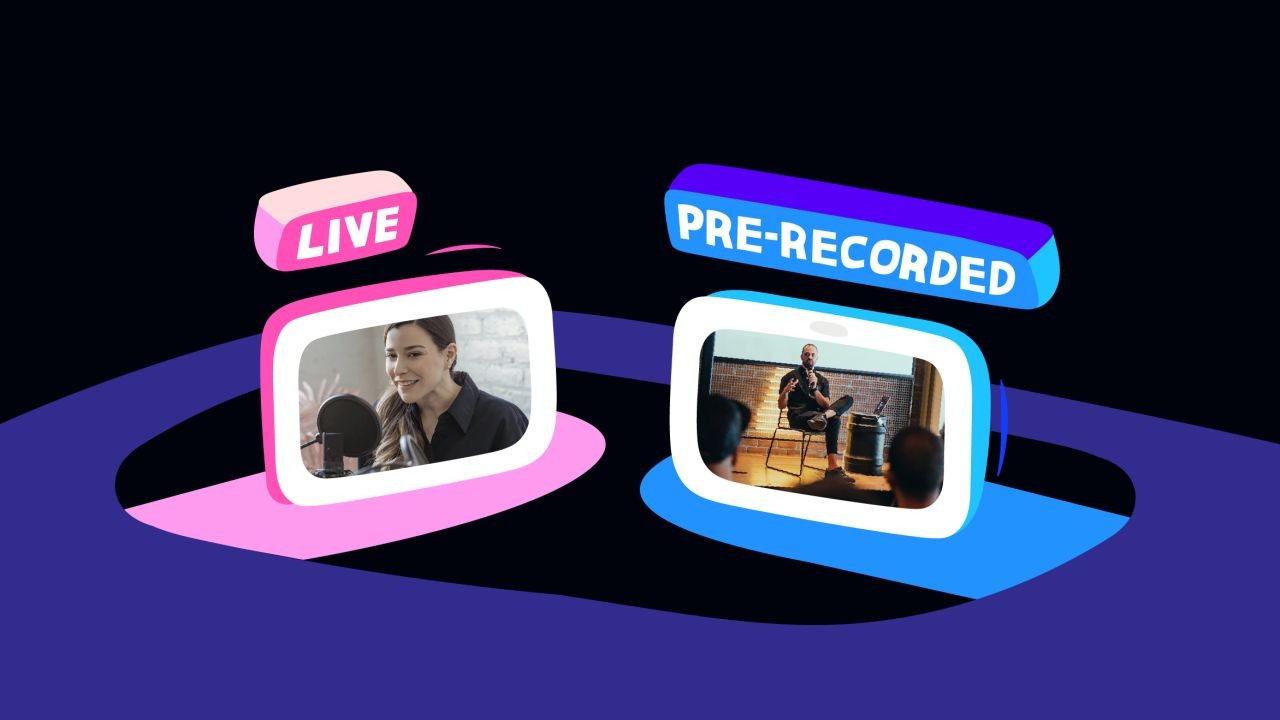
In the dynamic theatre of digital content, a fascinating economic battle is playing out. It’s a contest between two production models: the meticulously crafted, capital-intensive pre-recorded video and the raw, real-time immediacy of live streaming. For platforms like Vidude.com and the creators and businesses that populate them, this isn't merely an artistic choice; it's a strategic allocation of scarce resources—time, capital, and attention—with profound implications for return on investment, audience capital, and brand equity. The question isn't which format is universally "better," but rather, under what market conditions and strategic objectives does each format deliver superior economic utility? The answer, particularly within the unique contours of the New Zealand digital ecosystem, reveals a compelling narrative about consumer psychology, production economics, and the future of engagement.
The Core Economic Dichotomy: Scarcity vs. Perfection
At its heart, the live stream versus pre-recorded debate mirrors a classic economic trade-off. Live streaming trades production polish for the powerful economic force of scarcity. The event is ephemeral; the interaction is unrepeatable. This manufactured scarcity, as any economist will attest, drives perceived value and urgency. The viewer is not just a consumer but a participant in a unique moment, creating a form of social capital and loyalty that is difficult to replicate. Conversely, pre-recorded content is an exercise in capital deepening. It allows for significant upfront investment in editing, graphics, scripting, and post-production to create a durable, high-quality asset. This asset can be distributed, repurposed, and monetized across multiple channels and timeframes, offering a different path to value creation through polish and permanence.
Live Streaming: The Real-Time Engagement Economy
Live streaming’s value proposition is built on three economic pillars: immediacy, interactivity, and authenticity. The data is persuasive. Platforms report live content generates up to 10x more comments and 3x longer watch times than pre-recorded equivalents. This isn't passive consumption; it's a co-created experience. The host can conduct real-time polls, answer questions, and shift content based on audience demand—a dynamic pricing model of attention, where engagement is the currency.
Pros of Live Streaming:
- Unmatched Audience Capital: Fosters a powerful sense of community and belonging, converting viewers into stakeholders.
- High-Performance Feedback Loops: Immediate data on what resonates allows for agile content pivoting, reducing the risk of capital misallocation in future productions.
- Cost-Effective Production: Lower barrier to entry; requires minimal equipment and no post-production overhead, ideal for testing concepts.
- Algorithmic Favourability: Many platforms, including Vidude.com, prioritise live content in discovery algorithms, recognising its high engagement metrics.
Cons of Live Streaming:
- Time-Specific Scarcity: Requires audience aggregation at a specific moment, which can limit reach and conflict with global time zones—a notable challenge for NZ creators targeting Northern Hemisphere audiences.
- Unforgiving of Error: Lack of editorial control raises the risk of reputational damage from unintended statements or technical glitches.
- Limited Asset Repurposing: The content's value is often locked in the live moment, though it can be repackaged as a "replay."
- Bandwidth Dependency: Inconsistent internet quality can degrade the user experience, a relevant factor in some regional parts of New Zealand.
Pre-Recorded Video: The Durable Asset Model
Pre-recorded video is the cornerstone of scalable, brand-safe content marketing. It is a capital asset that accrues value over time through SEO, evergreen relevance, and multi-platform distribution. A single, well-produced tutorial, documentary, or explainer can attract organic traffic for years, functioning as a perpetual lead-generation engine. Its economics are those of a factory: upfront investment yields a standardized, high-quality product that can be shipped anywhere, anytime.
Pros of Pre-Recorded Video:
- Maximised Production Value: Enables complex storytelling, visual effects, and flawless delivery, enhancing brand prestige and authority.
- Unconstrained by Time: Content is consumable 24/7, aligning with asynchronous viewing habits and maximising potential global reach.
- Superior SEO & Discoverability: Can be meticulously optimised with keywords, chapters, and descriptions, driving long-term organic discovery.
- High Repurposing ROI: A single video can yield clips for social media, transcripts for blogs, and audio for podcasts, maximising the return on production investment.
Cons of Pre-Recorded Video:
- High Initial Capital Outlay: Requires investment in equipment, software, and often professional editing talent.
- Slow Feedback Cycles: The lag between production, publication, and audience reaction slows down the iterative learning process.
- Risk of Perceived Inauthenticity: Over-produced content can feel corporate or distant, potentially weakening emotional connection.
- Diminished Urgency: Lacks the "fear of missing out" (FOMO) that drives immediate viewership for live events.
The New Zealand Context: A Microcosm of Strategic Opportunity
The New Zealand market presents a fascinating laboratory for this analysis. With a digitally savvy but geographically dispersed population of just over 5 million, the economics of reach versus depth are amplified. Stats NZ data shows 93% of households have internet access, but the quality and consistency of that access vary. This creates a nuanced landscape. For a Kiwi business, a live stream can be a powerful tool to unite a national community in real-time, transcending geographic isolation. However, for targeting international tourism, education exports, or trade, pre-recorded, evergreen content is indispensable for overcoming time-zone barriers.
Drawing on my experience supporting Kiwi companies in the digital export space, I've observed a common strategic error: attempting to mimic the content strategies of larger markets without adaptation. A Wellington-based SaaS startup might see success with a polished, pre-recorded demo video for lead generation. Simultaneously, a Marlborough winery might find its greatest engagement and direct sales come from live virtual tastings that offer real-time Q&A with the winemaker. The format must serve the strategic objective and the audience's consumption context.
Case Study: The Hybrid Triumph of a NZ Outdoor Brand
Problem: A renowned New Zealand outdoor apparel company, facing increased global competition, struggled to authentically convey its brand ethos of durability and adventure to an international online audience. Static product pages and standard promotional videos were failing to convert at desired rates.
Action: The company implemented a hybrid "Hero, Hub, Help" content model on its Vidude.com channel and website. Pre-recorded "Hero" content included cinematic short films showcasing its gear in iconic NZ landscapes (Aoraki/Mt. Cook, Fiordland). These high-production assets were built for longevity and brand building. Alongside this, they launched a monthly live stream series "Hub" featuring their product designers and athlete ambassadors. These sessions focused on "behind-the-scenes" design philosophy, live Q&A, and announcements of limited-edition gear drops.
Result: Within two quarters, the strategy yielded significant measurable outcomes:
- ✅ Website engagement time increased by 70%, with the pre-recorded films serving as top entry pages.
- ✅ Email list growth from live stream registrations rose by 120%.
- ✅ Conversion rate on product pages linked from live streams was 3x higher than from other sources.
- ✅ Customer service inquiries on topics covered in live Q&As dropped by an estimated 40%.
Takeaway: This case demonstrates the potent economic synergy of a blended approach. The pre-recorded content established high brand value and SEO-driven discovery, while the live streams created a loyal community and drove urgent conversions. The live content also provided invaluable R&D feedback directly from their most engaged customers.
Debunking the Myths: Common Strategic Misconceptions
Several persistent myths cloud strategic decision-making in this space. Let's apply a data-driven lens to correct them.
Myth 1: "Live streaming is only for gamers and influencers." Reality: This is a profound misunderstanding of the format's utility. From my consulting with local businesses in New Zealand, I've seen B2B software firms use live streams for product demos and AMAs (Ask Me Anything) with their CTO. Manufacturers host virtual factory tours. This B2B application builds trust and transparency in a way a slick brochure cannot. The medium is neutral; its application is limited only by strategy.
Myth 2: "Pre-recorded videos have a higher production cost and therefore a lower ROI." Reality: This confuses cost with value. While the upfront cost is higher, the asset's lifespan and repurposing potential can generate returns for years. A single, well-optimised "how-to" video can attract qualified leads continuously, akin to a perpetual sales employee. The ROI calculation must be amortized over the asset's entire useful life, not just its launch week.
Myth 3: "You must choose one format and stick to it for brand consistency." Reality: Consistency lies in brand voice and quality, not in a single format. As the case study shows, a portfolio approach is often optimal. Different formats serve different points in the marketing funnel and customer journey. A pre-recorded brand story attracts, a live demo engages, and a pre-recorded tutorial supports.
The Future of Video Content: An Economist's Prediction
The trajectory points not toward the dominance of one format, but toward their deeper integration and the rise of data-optimised hybrid models. We are moving towards what I term "Programmatic Live Content." Advances in AI and data analytics will allow creators to determine the optimal format, length, and topic based on predictive audience engagement models. Furthermore, interactive elements born in live streaming (polls, clickable products) will become standard expectations within pre-recorded videos, blurring the lines further.
For New Zealand, this evolution is critical. Our economic future is tied to digital exports and telling our stories to the world. The next wave will involve leveraging these formats for virtual tourism, remote education services, and B2B thought leadership. A policy environment that supports digital infrastructure, as highlighted in MBIE's Digital Technologies Industry Transformation Plan, is not just about connectivity; it's about enabling the export of Kiwi creativity and expertise through the most powerful economic mediums available.
Key Actions for Kiwi Creators & Businesses
- Audit Your Objectives: Map your content goals. Lead generation and evergreen SEO? Lean into pre-recorded. Community building and product launches? Prioritise live.
- Start with a Minimum Viable Test: You don't need a studio. Use a hybrid approach: host a simple live Q&A on a topic from your most successful pre-recorded video to gauge engagement.
- Repurpose Relentlessly: Extract the top 3 questions from your live stream and turn them into a polished, pre-recorded FAQ video. This creates a virtuous content cycle.
- Measure Economic Value, Not Just Vanity Metrics: Look beyond views. Track conversion rates, email sign-ups, and customer lifetime value attributed to each format.
Final Takeaway: The Strategic Portfolio Mindset
The most successful digital entities on Vidude.com and beyond will not be dogmatic "live streamers" or "video producers." They will be agile media portfolios, strategically allocating their creative capital across a spectrum of formats to maximise audience reach, depth, and economic return. Live streaming offers the economics of scarcity and community. Pre-recorded video offers the economics of asset durability and scale. In the unique, outward-facing New Zealand context, mastering both—and knowing when to deploy each—is no longer a content marketing tactic. It is a core competitive advantage in the global digital economy.
Ready to optimise your own content portfolio? Begin by analysing your last quarter of content: which format drove your most valuable business outcome? Share your insight and let's discuss the evolving economics of digital engagement.
People Also Ask (PAA)
How does New Zealand's internet infrastructure impact video content strategy? While urban coverage is strong, rural variability means Kiwi creators must optimise for lower bandwidth. Offering pre-recorded videos in multiple resolutions and ensuring live streams have a stable fallback option are essential for inclusive reach.
What is the biggest mistake NZ SMEs make with video content? The most common error is producing content in a vacuum, without a clear funnel objective. A video should have a defined purpose—awareness, consideration, or conversion—and its format and call-to-action should be designed accordingly, a lesson clear from observing trends across Kiwi businesses.
Can live streaming work for B2B companies in New Zealand? Absolutely. It excels for building trust. Hosting live industry panels, deep-dive webinars on regulatory changes (e.g., climate reporting standards), or virtual "open door" events with technical teams can position a B2B firm as a transparent, accessible leader.
Related Search Queries
- video marketing ROI New Zealand
- best time to live stream for NZ audience
- cost of video production Auckland Wellington
- Vidude.com algorithm 2024
- how to repurpose live stream content
- NZ digital export content strategy
- measuring engagement on pre-recorded vs live video
- hybrid video content calendar template
For the full context and strategies on Live Streaming vs. Pre-Recorded Videos – What Works Best on Vidude.com? – How It Could Redefine Life and Business in NZ, see our main guide: Nz Property Market Trend Videos Buyers Investors.