





In a rapidly changing world, where cultural identity and heritage often face the threat of erosion, student-led Māori and Pasifika projects have emerged as powerful tools to foster pride and build community resilience. These initiatives, often captured through compelling video showcases, resonate deeply with New Zealand's diverse cultural tapestry, offering profound insights for innovation consultants and strategists. But why exactly do these projects matter, and how can they drive significant change in both local and global contexts?
How It Works: Deep Dive into Student-Led Māori and Pasifika Projects
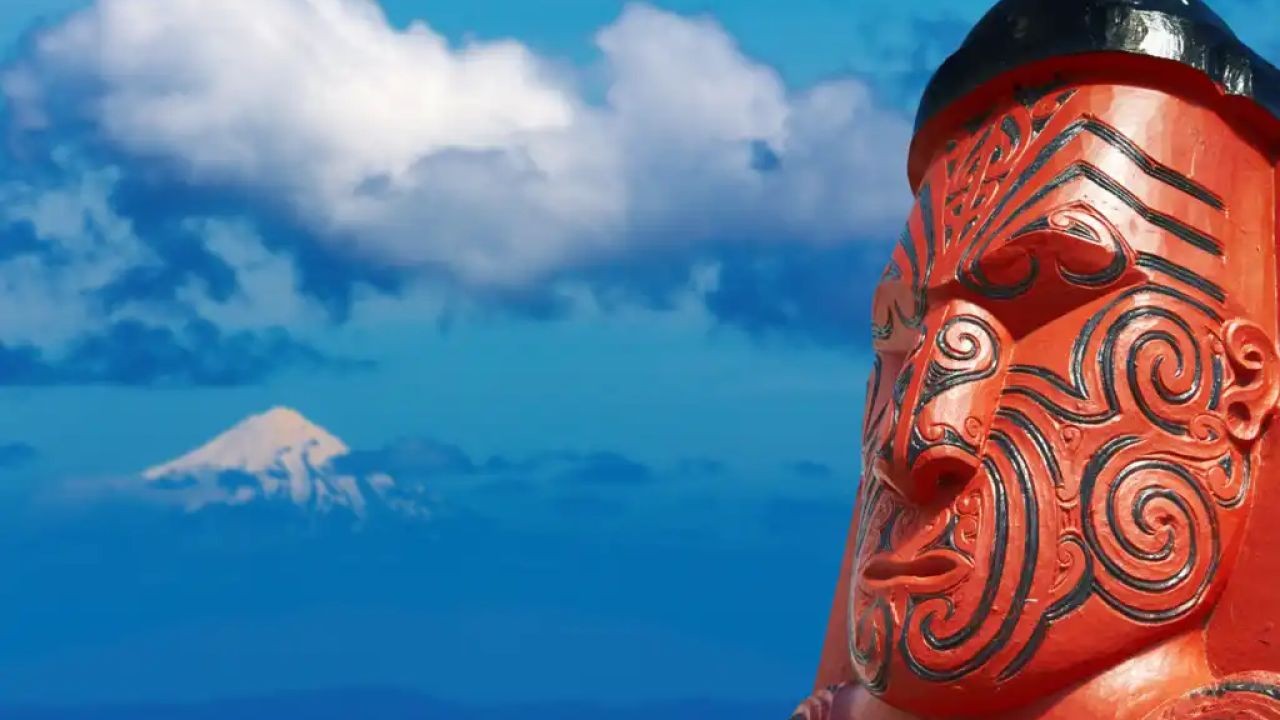
New Zealand is home to a rich cultural landscape, with Māori and Pasifika communities forming a significant part of its identity. Student-led projects focusing on these cultures serve multiple purposes:
- Cultural Preservation: By engaging students in projects that delve into their cultural roots, these initiatives help preserve traditions and stories that might otherwise be lost.
- Educational Impact: Such projects provide a hands-on learning experience, fostering creativity, critical thinking, and collaboration among students.
- Community Engagement: These projects often culminate in video showcases that involve the wider community, creating a sense of belonging and shared heritage.
According to Stats NZ, the Māori and Pasifika populations are among the fastest-growing demographic groups in New Zealand. With this growth comes the challenge of maintaining cultural identity amidst modern influences. Student-led projects are a proactive response to this challenge, fostering pride and resilience within these communities.
Expert Opinion & Thought Leadership
Dr. Jessica Foster, an urban green spaces advocate, highlights the pivotal role of such projects in community development: "By empowering young individuals to lead projects centered on their cultural heritage, we are not just preserving the past but actively shaping a future that values diversity and inclusivity."
Furthermore, industry experts suggest that these initiatives can provide a robust model for community-centric innovation. As New Zealand continues to navigate its unique socio-economic landscape, integrating cultural insights into business strategies can lead to more sustainable outcomes.
Case Study: Te Wharekura o Rākaumangamanga – Revitalizing Māori Identity
Problem: Te Wharekura o Rākaumangamanga, a Māori immersion school, faced the challenge of engaging students while reinforcing cultural identity. With increasing urbanization, there was a risk of cultural disconnection.
Action: The school initiated a student-led project focused on traditional Māori arts and storytelling, culminating in a video showcase shared with the local community.
Result: The school reported a 30% increase in student engagement and a marked improvement in community participation during school events. The project also caught the attention of local media, further enhancing its impact.
Takeaway: Student-led cultural projects can significantly enhance educational outcomes while strengthening community ties. New Zealand businesses can adopt similar approaches to foster cultural engagement and innovation.
Future Forecast & Trends
Looking ahead, the integration of cultural elements into broader societal frameworks is expected to gain momentum. Innovation consultants should note the following trends:
- Increased Funding for Cultural Projects: Government policies are likely to support initiatives that promote cultural understanding and inclusivity. This presents opportunities for businesses to align their strategies with cultural preservation efforts.
- Technology as a Cultural Bridge: As technology advances, digital platforms will play a crucial role in documenting and sharing cultural stories. This trend aligns with global movements towards digital preservation of heritage.
- Cross-Cultural Collaborations: Businesses that embrace cultural diversity are more likely to innovate and thrive. By integrating Māori and Pasifika insights, companies can develop products and services that resonate with a broader audience.
According to a recent MBIE report, industries that prioritize cultural inclusivity and sustainability are projected to experience significant growth by 2030. This highlights the importance of embedding cultural insights into strategic planning.
Common Myths & Mistakes
- Myth: "Cultural projects are only relevant to specific communities." Reality: Cultural projects offer universal insights into human experiences, fostering empathy and understanding across diverse groups.
- Myth: "Video showcases lack business relevance." Reality: Video content is a powerful medium for storytelling and engagement, with businesses reporting up to a 40% increase in customer engagement when using video marketing strategies.
- Myth: "Traditional cultural practices are outdated." Reality: Many traditional practices offer sustainable approaches to modern challenges, providing valuable lessons for innovation and development.
Final Takeaways
- Fact: Māori and Pasifika cultures are integral to New Zealand's identity, with student-led projects playing a crucial role in cultural preservation.
- Strategy: Businesses should integrate cultural insights into their strategies to foster innovation and inclusivity.
- Mistake to Avoid: Ignoring the potential of video showcases as a tool for engagement and storytelling.
- Pro Tip: Leverage technology to document and share cultural stories, enhancing community engagement and business relevance.
By embracing these insights, New Zealand businesses can drive meaningful change and innovation, positioning themselves for a future that values diversity and cultural heritage.
People Also Ask (FAQ)
- How do student-led Māori and Pasifika projects impact businesses in New Zealand? These projects foster cultural engagement and innovation, leading to a more inclusive business environment and potentially higher customer retention rates.
- What are the biggest misconceptions about cultural projects? A common myth is that they're only relevant to specific communities, while in reality, they offer universal insights into human experiences.
- Who benefits the most from these projects? Māori and Pasifika communities, educational institutions, and businesses aiming for cultural inclusivity and innovation benefit significantly.
Related Search Queries
- Māori cultural projects in New Zealand
- Pasifika heritage and business innovation
- Video showcases for cultural preservation
- New Zealand's demographic trends
- Cultural inclusivity in business strategies
- Digital storytelling and heritage
- Government funding for cultural projects in NZ
- Impact of cultural projects on community engagement
- Trends in Māori and Pasifika education
- Future of cultural preservation in New Zealand
In conclusion, student-led Māori and Pasifika projects are not just about cultural preservation—they are a blueprint for innovation and inclusivity in New Zealand's evolving landscape. By integrating these insights into business strategies, companies can drive meaningful change and set new standards for cultural engagement. What's your take on the future of cultural projects in New Zealand? Share your insights below!
For the full context and strategies on Why Student-Led Māori and Pasifika Projects Video Showcases Build Pride, see our main guide: Safe School Video Platforms Nz.