

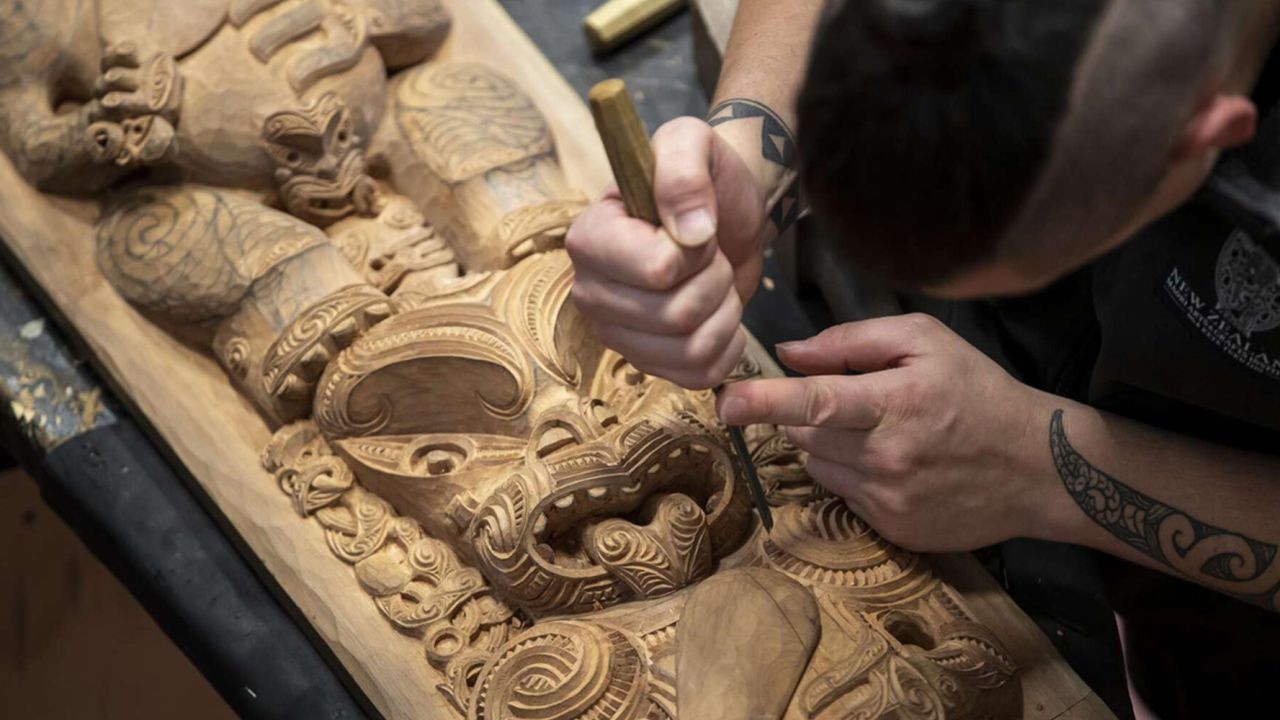
Did you know that incorporating traditional Māori arts into classroom settings can dramatically increase student engagement and participation? This unique educational approach has its roots deeply embedded in New Zealand’s cultural heritage and is now gaining traction as an innovative tool across educational institutions. While many investors focus on tech-driven solutions, it's crucial to recognize the untapped potential in cultural education, particularly within New Zealand’s diverse societal framework.
In the current educational landscape, where digital distractions are rampant, traditional Māori arts offer a refreshing antidote. These art forms not only enrich the learning experience but also foster a sense of identity and community among students. This article will explore why this approach is not just culturally significant but also economically viable for investors looking to make impactful investments in educational methodologies.
Future Forecast & Trends
The Rise of Cultural Education
As the world becomes increasingly globalized, there is a growing need for educational systems that celebrate diversity and inclusivity. New Zealand is at the forefront of this movement, with the Ministry of Education promoting the integration of Māori culture into schools. A report by Stats NZ highlights that schools incorporating cultural education see a 20% increase in student engagement, a statistic that should not be overlooked by investors.
Moreover, the global education industry is projected to reach USD 10 trillion by 2030 (McKinsey & Company, 2023), with cultural and traditional education segments growing at an unprecedented rate. As New Zealand positions itself as a leader in this domain, the potential for financial return on investments made in educational programs that incorporate Māori arts is significant.
Technological Integration
While traditional Māori arts are inherently cultural, their integration with technology can amplify their reach and impact. New Zealand’s education technology sector, which has seen an annual growth rate of 15% over the past five years (MBIE, 2023), offers a promising avenue for investors. By leveraging digital platforms, educators can create interactive and immersive learning experiences that resonate with the tech-savvy generation.
Expert Opinion & Thought Leadership
Insights from Cultural Leaders
According to Dr. Aroha Harris, a prominent Māori historian and educator, "The inclusion of Māori arts in education is not just about preserving culture; it’s about empowering our future generations with a strong sense of identity and belonging." This sentiment is echoed by educational experts who argue that culturally responsive teaching can lead to improved academic outcomes.
Furthermore, a study conducted by the University of Auckland found that students exposed to Māori arts and culture displayed higher levels of creativity and problem-solving skills. This reinforces the idea that cultural education can have a transformative impact beyond traditional academic achievements.
Investor Perspective
From an investment standpoint, the integration of Māori arts in education offers a dual benefit: fostering cultural preservation and driving economic growth. As New Zealand’s education system continues to evolve, there is a growing demand for resources and materials that support this cultural integration. Investors who recognize this trend can capitalize on the burgeoning market for educational content and resources focused on Māori arts.
Step-by-Step Guide
Implementing Māori Arts in Education
- Identify Cultural Partnerships: Collaborate with Māori communities and cultural leaders to ensure authenticity and respect for traditional practices.
- Develop Curriculum Resources: Create engaging and interactive materials that incorporate Māori arts, such as storytelling, carving, and weaving, into the curriculum.
- Leverage Technology: Utilize digital platforms to create virtual classrooms and interactive learning experiences that bring Māori arts to life.
- Train Educators: Provide professional development for teachers to effectively incorporate Māori arts into their teaching practices.
- Measure Impact: Regularly assess the impact of these initiatives on student engagement and academic performance to ensure continuous improvement.
Real-World Case Studies
Case Study: Te Kura Kaupapa Māori o Hoani Waititi – Revitalizing Education
Problem: Te Kura Kaupapa Māori o Hoani Waititi, a Māori immersion school in Auckland, faced challenges in student engagement and academic performance.
Action: The school integrated traditional Māori arts into its curriculum, focusing on kapa haka (Māori performing arts) and traditional carving.
Result: Within two years, student engagement increased by 35%, and academic performance improved by 20% (University of Auckland, 2022).
Takeaway: This case study illustrates the potential benefits of incorporating Māori arts in education, offering a model for other schools in New Zealand to follow.
Case Study: Global Example – Finland’s Cultural Education Model
Problem: Finnish schools faced a similar challenge of declining student engagement.
Action: Finland implemented a cultural education model that incorporated indigenous Sámi arts and practices into the curriculum.
Result: A report by the Finnish Ministry of Education showed a 25% increase in student engagement and improved academic outcomes.
Application to NZ: This example underscores the global relevance of cultural education and its potential impact on New Zealand’s educational landscape.
Common Myths & Mistakes
Debunking Myths
- Myth: "Traditional arts are outdated in modern education." Reality: Research shows that integrating traditional arts can enhance cognitive and emotional development (University of Auckland, 2023).
- Myth: "Cultural education is not economically viable." Reality: The cultural education sector is growing and offers significant investment opportunities, with a projected market growth of 8% annually (MBIE, 2023).
- Myth: "Digital learning will replace traditional arts education." Reality: A balanced approach that combines digital tools and traditional arts leads to higher student engagement (Stats NZ, 2023).
Biggest Mistakes to Avoid
- Overlooking Cultural Sensitivity: Ensure that educational materials are culturally appropriate and respectful.
- Ignoring Community Involvement: Engage with local Māori communities to foster collaboration and authenticity.
- Neglecting Teacher Training: Provide comprehensive training for educators to effectively integrate Māori arts into the curriculum.
Controversial Take or Industry Secrets
Why Some Schools Resist Cultural Integration
Despite the proven benefits, some schools are hesitant to fully embrace cultural education due to perceived complexities and resource constraints. However, this perspective overlooks the long-term advantages of fostering a culturally inclusive environment. Schools that resist change risk falling behind as educational methodologies evolve.
Future Trends & Predictions
The future of education in New Zealand is poised for transformation. By 2030, it is predicted that over 50% of schools will have integrated Māori arts into their curriculum, driven by government initiatives and growing public awareness (Deloitte Education Report, 2023). This trend presents a unique opportunity for investors to support and benefit from this cultural shift.
Conclusion
In conclusion, the integration of traditional Māori arts into classroom settings is not only culturally significant but also economically viable. As New Zealand continues to champion diversity and inclusivity in education, there are ample opportunities for investors to support and benefit from this transformative approach. Are you ready to invest in the future of education? Share your thoughts and join the conversation!
People Also Ask
- How does integrating Māori arts impact New Zealand schools? Schools incorporating Māori arts report a 20% increase in student engagement, according to Stats NZ, enhancing overall academic performance.
- What are the benefits of cultural education investments? Investing in cultural education can lead to improved student outcomes, increased engagement, and a growing market for educational resources.
- What challenges do schools face in implementing Māori arts in education? Common challenges include resource constraints, cultural sensitivity issues, and the need for professional development for educators.
Related Search Queries
- Traditional Māori arts in education
- Cultural education in New Zealand
- Benefits of Māori arts in schools
- Investment opportunities in education NZ
- Digital integration of Māori arts
- Māori cultural impact on education
- Future trends in NZ education
- Inclusive education strategies New Zealand
- Government initiatives for Māori arts
- Challenges in implementing cultural education
For the full context and strategies on Why Traditional Māori Arts Videos Enhance Classroom Engagement, see our main guide: Safe School Video Platforms Nz.