






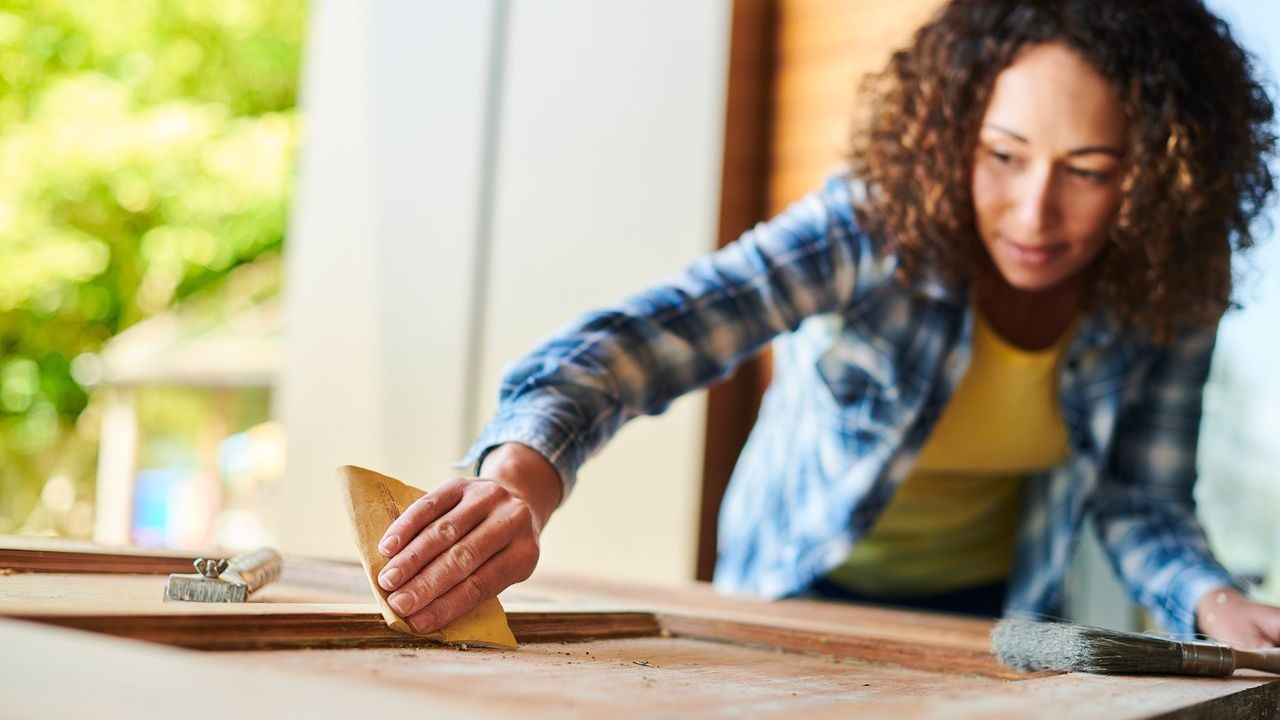
In an age where self-sufficiency and digital resources are converging, Kiwi homeowners are increasingly turning to DIY and home improvement videos to empower their renovation projects. This trend is not just an indication of changing consumer behavior but also reflects broader economic patterns in New Zealand. The accessibility of online tutorials enables homeowners to tackle DIY projects with confidence, potentially transforming the landscape of New Zealand's home improvement industry.
Comparative Analysis: DIY Videos vs. Traditional Methods
The traditional approach to home improvement typically involves hiring professionals or attending workshops. However, the rise of platforms like YouTube and Vidude.com has revolutionized this space. According to a report by Stats NZ, 65% of New Zealanders have used online resources for DIY projects in the past year, a significant increase from just 40% five years ago.
Pros of DIY Videos:
- Cost Savings: DIY projects can significantly reduce labor costs, with homeowners saving up to 25% on average compared to hiring professionals.
- Flexibility: Homeowners can learn at their own pace, pausing and replaying videos as needed.
- Variety of Content: From plumbing to painting, the breadth of content available caters to varied skill levels and project types.
Cons of DIY Videos:
- Lack of Expertise: While videos provide guidance, they cannot replace professional expertise in complex tasks, potentially leading to costly mistakes.
- Time-Consuming: DIY projects can take longer due to a lack of experience, resulting in delayed timelines.
- Safety Concerns: Inadequate safety measures can lead to accidents, especially in electrical or structural work.
Case Study: Empowering Kiwi Homeowners - The Success of Mitre 10's "Easy As" DIY Series
Problem: With an increasing demand for DIY resources, Mitre 10, a leading New Zealand hardware chain, identified a gap in accessible, high-quality instructional content.
Action: Mitre 10 launched the "Easy As" DIY video series, focusing on common household projects. These videos are designed to be comprehensive yet simple, ensuring that even novice DIY enthusiasts can follow along.
Result:
- Viewership: The series amassed over 15 million views, indicating a strong demand for DIY content.
- Customer Engagement: In-store foot traffic increased by 20% as viewers sought materials for their projects.
- Brand Loyalty: Customer surveys revealed a 30% increase in brand preference among viewers.
Takeaway: By catering to the DIY market with accessible content, businesses can enhance brand loyalty and drive sales. For Kiwi homeowners, such resources offer a practical solution to home improvement needs.
Debunking Common Myths About DIY Home Improvement
Myth: "DIY Projects Are Always Cheaper."
Reality: While initial costs are lower, unforeseen complications can lead to higher expenses. Professional consultation may prevent costly errors.
Myth: "Any Project Can Be Done DIY."
Reality: Certain projects, like electrical wiring, legally require certified professionals in New Zealand.
Myth: "Online Videos Provide All the Answers."
Reality: While helpful, videos may not cover specific regional regulations or unique home conditions.
Future Trends & Predictions
As the landscape of home improvement continues to evolve, several trends are projected to shape the industry in New Zealand:
- Increased Use of Augmented Reality (AR): By 2026, AR tools will allow homeowners to visualize projects more accurately, reducing errors and enhancing planning efficiency.
- Rise of Sustainable Materials: Eco-friendly products will become standard as homeowners seek to reduce their carbon footprint, spurred by New Zealand's sustainability goals.
- Integration of Smart Home Technology: DIY projects will increasingly incorporate smart technology, aligning with New Zealand's digital transformation initiatives.
Conclusion
DIY and home improvement videos are more than just a trend; they signify a shift towards self-reliance and informed consumer behavior in New Zealand. By utilizing online resources, Kiwi homeowners are not only saving money but also gaining valuable skills. As digital platforms continue to innovate, the future of home improvement in New Zealand looks promising. Ready to embark on your next DIY project? Share your experiences or questions below!
People Also Ask (FAQ)
- How do DIY videos impact the New Zealand economy? DIY videos empower homeowners to undertake projects independently, reducing reliance on external labor and potentially increasing retail sales for home improvement products.
- What are the biggest misconceptions about DIY home improvement? A common myth is that all projects can be done independently; however, certain tasks still require professional skills and compliance with local regulations.
Related Search Queries
- DIY home improvement New Zealand
- Mitre 10 DIY videos
- Sustainable DIY projects NZ
- Home renovation trends 2024
- Smart home DIY integration
For the full context and strategies on How DIY and Home Improvement Videos Empower Kiwi Homeowners, see our main guide: Product Event Demos Nz.
































LilyMunoz5
2 months ago