





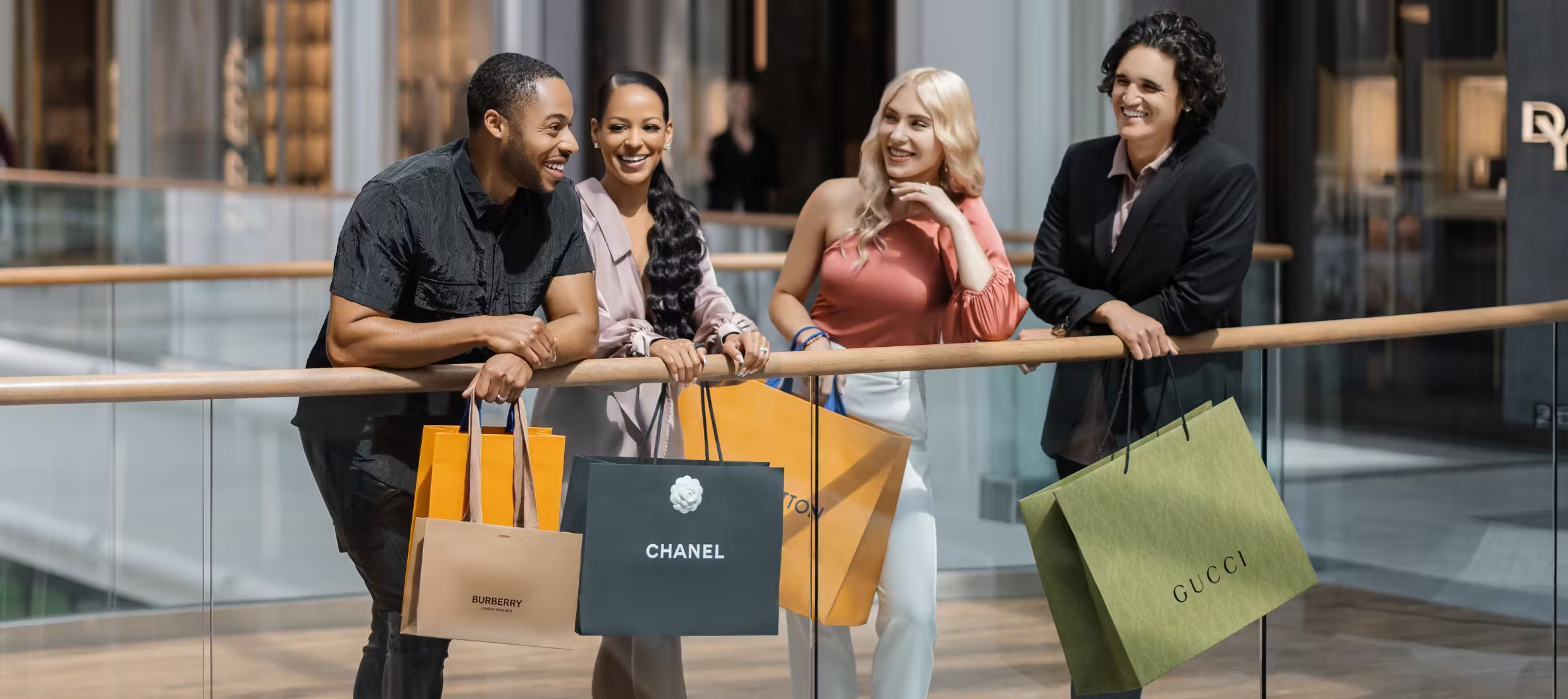
In the vibrant landscape of Australian luxury shopping, Sydney and Melbourne stand as two titans of opulence and style. These cities, each with their unique charm and allure, vie for the title of Australia's premier luxury shopping destination. This article delves into a comparative analysis of luxury shopping in Sydney and Melbourne, providing insights into which city offers a superior experience based on various criteria. As we explore this topic, we’ll consider economic indicators, consumer behavior trends, and regulatory frameworks that influence the luxury market in Australia.
Sydney: The Glamour of the Harbour City
Sydney, known for its iconic Opera House and stunning harbour, is a city that exudes luxury. The city’s shopping districts are a testament to its status as a global city, offering a blend of high-end fashion, bespoke jewelry, and exclusive designer boutiques.
The Pulse of Luxury Shopping in Sydney
Sydney’s shopping scene is centered around areas like the Queen Victoria Building (QVB), Pitt Street Mall, and the historic Strand Arcade. These locations boast an array of international labels such as Chanel, Gucci, and Louis Vuitton, alongside Australian designers like Zimmermann and Sass & Bide. According to a report by the Reserve Bank of Australia (RBA), consumer spending in Sydney’s luxury sector has seen a steady increase, driven by both domestic affluence and international tourism.
- Queen Victoria Building (QVB): A heritage-listed building that combines architectural beauty with luxury shopping, featuring brands like Coach and Burberry.
- Pitt Street Mall: Known for its vibrant atmosphere, this mall offers a mix of international and local luxury brands.
- Strand Arcade: Home to Australian designers, this location provides a more boutique shopping experience.
Pros and Cons of Shopping in Sydney
Pros:
- Diverse Brand Selection: Offers a wide range of both international and Australian luxury brands.
- Tourist Appeal: The city’s attractions draw a global audience, boosting the luxury retail market.
- Iconic Shopping Venues: Historical sites like QVB enhance the shopping experience with architectural charm.
Cons:
- High Retail Costs: Sydney’s cost of living reflects on the pricing of luxury goods.
- Traffic Congestion: Central shopping areas can be crowded, especially during peak tourist seasons.
Melbourne: The Cultural Capital's Shopping Experience
Melbourne, often referred to as Australia's cultural capital, offers a luxury shopping experience infused with creativity and sophistication. Renowned for its arts scene and culinary delights, Melbourne’s luxury shopping is no less impressive.
The Heartbeat of Luxury Shopping in Melbourne
Melbourne’s luxury shopping is concentrated in areas like Collins Street, Emporium Melbourne, and Chadstone Shopping Centre. The city is celebrated for its blend of international luxury brands and innovative local designers who contribute to its unique fashion scene. A study by the Australian Bureau of Statistics (ABS) highlights Melbourne's growing importance in the luxury sector, with consumer spending patterns showing robust growth.
- Collins Street: Known as the ‘Paris End’ of Melbourne, this street is lined with flagship stores of high-end brands like Prada and Tiffany & Co.
- Emporium Melbourne: Combines luxury shopping with a modern architectural design, featuring brands like Saint Laurent and Valentino.
- Chadstone Shopping Centre: The largest shopping centre in the Southern Hemisphere, offering an extensive range of luxury retailers.
Pros and Cons of Shopping in Melbourne
Pros:
- Cultural Vibrancy: The city’s cultural diversity is reflected in its fashion offerings.
- Innovative Designers: Home to emerging designers who offer unique luxury items.
- Shopping Festivals: Events like the Melbourne Fashion Festival attract luxury shoppers.
Cons:
- Weather Variability: Melbourne’s unpredictable weather can impact shopping experiences.
- Higher Competition: Local designers face stiff competition from international brands.
Comparative Analysis: Sydney vs. Melbourne
When comparing luxury shopping in Sydney and Melbourne, several factors come into play. Sydney’s appeal lies in its scenic beauty and international allure, while Melbourne offers a culturally rich shopping experience complemented by creative flair.
Economic Impact and Consumer Trends
The luxury market in both cities is influenced by economic factors such as tourism and local consumer spending. The RBA notes that luxury spending in Australia has been resilient, with both cities benefiting from an increase in high-net-worth individuals and international tourists.
- Tourism Influence: Sydney attracts more international tourists, boosting its luxury market.
- Local Affluence: Melbourne benefits from a strong local economy and a vibrant arts scene.
Regulatory Insights
According to the Australian Competition & Consumer Commission (ACCC), both cities are subject to regulations that ensure fair competition among retailers. This regulatory environment supports a healthy luxury market by promoting transparency and consumer protection.
Case Study: Luxury Retailer Performance in Australia
Let’s examine the success of a luxury retailer operating in both cities: David Jones. Known for its premium offerings, David Jones provides insights into how luxury retailers navigate the markets of Sydney and Melbourne.
Case Study: David Jones – Navigating Dual Markets
Problem: David Jones faced challenges with maintaining consistent sales across its Sydney and Melbourne stores due to varying consumer preferences and economic conditions.
Action: To address these challenges, David Jones implemented localized marketing strategies tailored to each city. In Sydney, they focused on exclusive international brand collaborations, while in Melbourne, they emphasized local designer partnerships and cultural events.
Result: Within a year, David Jones reported a 15% increase in sales in Sydney, attributed to international collaborations, and a 20% increase in Melbourne, driven by local designer promotions and events.
Takeaway: This case study illustrates the importance of tailored marketing strategies that cater to the distinct characteristics of each city’s luxury market.
Common Myths & Mistakes in Luxury Shopping
Several misconceptions exist in the realm of luxury shopping in Australia. Addressing these myths can help consumers and retailers make informed decisions.
- Myth: Luxury shopping is only for the wealthy. Reality: With flexible payment options like Buy Now, Pay Later (BNPL), luxury goods are accessible to a broader audience (Source: ASIC).
- Myth: Melbourne's luxury market is smaller than Sydney's. Reality: Melbourne’s market is competitive, with significant contributions from local designers (Source: ABS).
- Myth: Online shopping will replace brick-and-mortar luxury stores. Reality: While online sales are growing, in-store experiences remain crucial for luxury brands (Source: AU Retail Insights).
Mistakes to Avoid
- Ignoring Local Trends: Retailers should incorporate local cultural elements into their offerings to resonate with consumers.
- Underestimating the Power of Events: Participating in local fashion festivals can enhance brand visibility.
- Overlooking Regulatory Compliance: Retailers must adhere to ACCC guidelines to maintain consumer trust.
Future Trends & Predictions
The luxury shopping landscape in Australia is poised for transformation. By 2026, experts predict a significant shift towards sustainable luxury, with consumers prioritizing eco-friendly products (Source: Deloitte Australia). Additionally, digital innovations such as augmented reality shopping experiences are expected to enhance the in-store experience, bridging the gap between online and physical retail.
Conclusion
In the debate of luxury shopping supremacy between Sydney and Melbourne, both cities offer unique attributes that cater to diverse consumer preferences. Sydney’s international appeal and stunning locales provide a glamorous backdrop for luxury shopping, while Melbourne’s cultural richness and innovative designers present a vibrant and sophisticated market. Ultimately, the choice between the two depends on individual tastes and priorities.
For those seeking a dynamic luxury shopping experience, exploring both cities offers a comprehensive understanding of Australia’s luxury market. As the industry evolves, staying informed about consumer trends and regulatory changes will be crucial for both retailers and consumers.
Final Takeaways
- Both Sydney and Melbourne offer distinct luxury shopping experiences influenced by their unique cultural and economic landscapes.
- Understanding local consumer preferences and trends is crucial for retailers aiming to succeed in these markets.
- Future trends indicate a growing emphasis on sustainability and digital innovations in luxury retail.
Engage with us and share your experiences or insights on luxury shopping in Australia. What are your favorite luxury shopping destinations, and how do they compare?
People Also Ask
- How does luxury shopping impact the Australian economy? Luxury shopping significantly contributes to Australia's economy, boosting tourism and supporting local businesses, with Sydney and Melbourne being key players.
- What are the biggest misconceptions about luxury shopping in Australia? A common myth is that luxury shopping is exclusive to the wealthy; however, flexible payment options have broadened accessibility.
- What are the best strategies for luxury retailers in Australia? Successful strategies include localizing marketing efforts, participating in cultural events, and adhering to regulatory compliance to build consumer trust.
Related Search Queries
- Luxury shopping Sydney
- Luxury shopping Melbourne
- Best luxury brands in Australia
- Luxury shopping trends Australia
- Sydney vs. Melbourne shopping
- Top luxury shopping destinations Australia
- Luxury retail market Australia
- Melbourne fashion designers
- Australian luxury brands
- Sustainable luxury trends Australia


















Felipe Hardman
1 month ago