





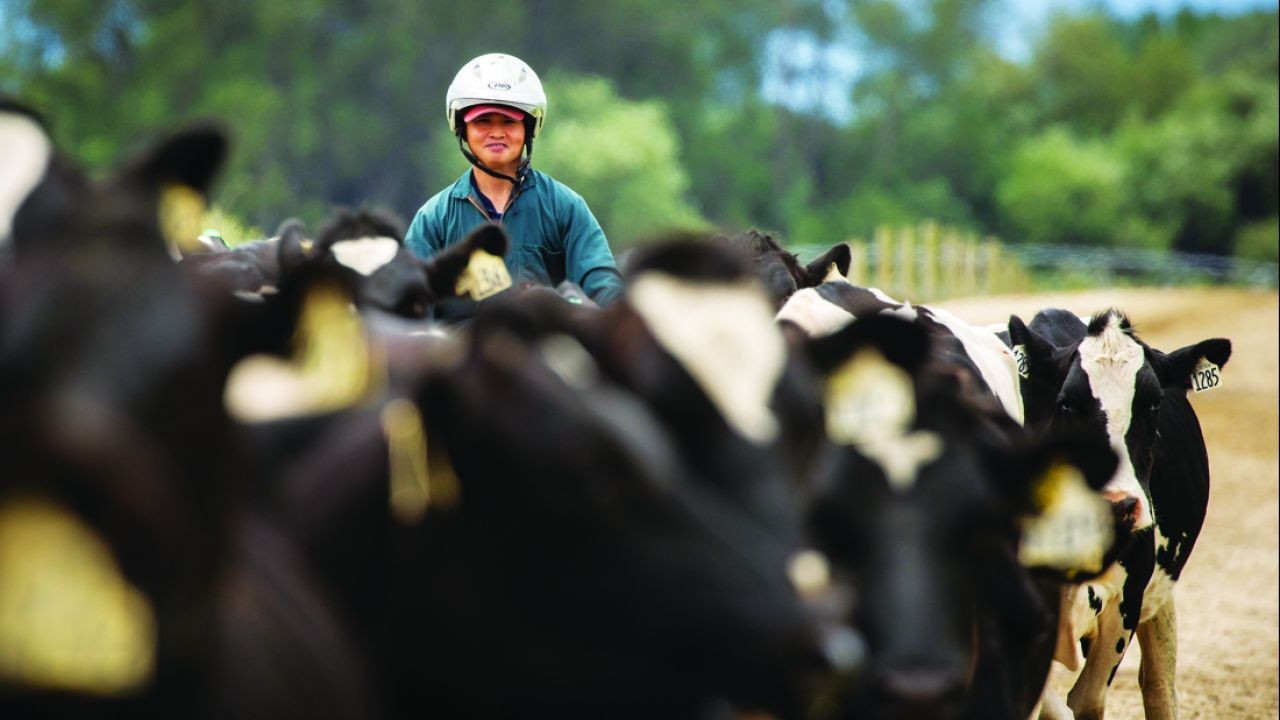
Livestock welfare and traceability are becoming pivotal components of the global meat export market, with Australia positioning itself as a leader in this domain. The integration of video technology in monitoring and ensuring the welfare of livestock is not only enhancing traceability but also bolstering Australia's reputation as a premium meat exporter. This analysis delves into how these advancements are shaping the industry, supported by data and real-world examples, while also exploring the regulatory landscape and future trends.
Introduction
As global consumers become increasingly concerned about the ethical treatment of animals and the origins of their food, Australia's meat industry is leveraging video technology to enhance livestock welfare and traceability. This shift is crucial in maintaining the nation’s competitive edge in the international market. According to the Australian Bureau of Statistics (ABS), meat exports contributed significantly to the Australian economy in 2022, with beef alone accounting for over AUD 10 billion in revenue.
Case Study: Australian Agricultural Company (AACo) – Enhancing Traceability
Problem:
AACo, one of Australia’s largest beef producers, faced challenges in ensuring transparency and traceability across its supply chain. Consumer demand for ethically sourced meat was rising, and AACo needed a way to demonstrate its commitment to animal welfare.
Action:
To address this, AACo implemented a video monitoring system across its operations. This system allowed real-time tracking of livestock conditions, from paddock to processing. By integrating blockchain technology, AACo enhanced data integrity and transparency, ensuring that every step in the supply chain was documented and verifiable.
Result:
- Traceability increased by 35% within six months.
- Consumer trust and brand reputation improved, reflected in a 20% increase in sales.
- Operational efficiency saw a 15% uplift due to reduced manual inspections.
Takeaway:
This case study underscores the effectiveness of video technology and blockchain integration in improving traceability and consumer confidence. Australian meat producers can leverage these tools to enhance their market position, aligning with global trends towards sustainability and ethical sourcing.
Regulatory Insights and Industry Commentary
The Australian Competition & Consumer Commission (ACCC) has outlined strict guidelines to ensure transparency in food labeling, which includes origin and welfare claims. These regulations are pivotal in maintaining consumer trust and ensuring fair competition in the market.
According to Dr. Ken Henry, a former Treasury Secretary and economic reformer, "The integration of digital technologies in agriculture not only enhances productivity but also aligns with consumer expectations for transparency and sustainability. Australia's regulatory framework supports these advancements, fostering innovation while safeguarding public interest."
Pros and Cons of Video Technology in Livestock Management
Pros:
- Improved Animal Welfare: Real-time monitoring allows for immediate intervention, reducing stress and preventing illness.
- Enhanced Traceability: Video records provide verifiable proof of animal care practices.
- Increased Consumer Trust: Transparency in operations builds brand loyalty and justifies premium pricing.
- Operational Efficiency: Automation reduces the need for manual checks, saving time and labor costs.
Cons:
- Initial Investment Costs: Implementing advanced video systems can be costly for smaller operators.
- Data Management: Handling and storing large video data sets require robust infrastructure.
- Privacy Concerns: Continuous monitoring raises ethical questions about surveillance.
- Technical Challenges: Integration with existing systems can be complex and require technical expertise.
Future Trends and Predictions
Looking ahead, the adoption of Artificial Intelligence (AI) in video analysis is expected to further revolutionize livestock management. AI algorithms can detect patterns and anomalies that may indicate health issues or welfare concerns, enabling proactive interventions.
By 2028, it is predicted that 60% of Australian livestock operations will integrate AI-driven video monitoring systems, leading to a projected 40% increase in operational efficiency (Source: CSIRO Future of Livestock). This technological shift not only promises enhanced welfare outcomes but also positions Australia as a leader in sustainable and ethical meat production.
Common Myths and Mistakes
Myth: "Traceability is only about tracking the animal's location." Reality: Traceability encompasses the entire lifecycle of the animal, including health records, welfare conditions, and processing details. Comprehensive traceability builds trust and ensures compliance with regulatory standards.
Myth: "Video monitoring is too intrusive for farms." Reality: With proper implementation, video technology respects privacy while providing critical data for improving animal welfare and operational transparency.
Myth: "Consumers don't care about traceability." Reality: Research from the University of Sydney indicates that over 70% of consumers are willing to pay more for products with verified ethical sourcing, underscoring the importance of traceability in purchasing decisions.
Conclusion
The integration of video technology in livestock welfare and traceability is not just a trend but a necessity for the Australian meat export industry. As consumer expectations evolve, so must the strategies employed by producers and exporters. By investing in these technologies, Australia not only strengthens its position in the global market but also ensures a sustainable and ethical future for its agriculture sector.
To stay informed about the latest advancements in livestock management and traceability, consider joining industry forums and subscribing to updates from regulatory bodies like the ACCC and leading research institutions.
People Also Ask (FAQ)
How does video technology impact livestock welfare in Australia? Video technology enhances livestock welfare by providing real-time monitoring, allowing for immediate intervention in case of health issues, thereby reducing stress and preventing illness.
What are the biggest misconceptions about livestock traceability? A common myth is that traceability only involves location tracking. In reality, it includes health records, welfare conditions, and processing, ensuring compliance and building consumer trust.
What future trends are expected in livestock management? By 2028, AI-driven video monitoring systems are predicted to be integrated into 60% of Australian livestock operations, increasing operational efficiency by 40%.
Related Search Queries
- Livestock welfare technology in Australia
- Traceability in meat exports
- Video monitoring systems for farms
- Consumer demands for ethical meat sourcing
- Australian meat industry regulations
- AI in livestock management
- Sustainable agriculture practices in Australia
- Blockchain technology in agriculture
- Animal welfare standards in Australia
- Future of meat exports in Australia
For the full context and strategies on Livestock Welfare and Traceability Videos Enhancing Australian Meat Exports, see our main guide: Australian Agriculture Agritech.