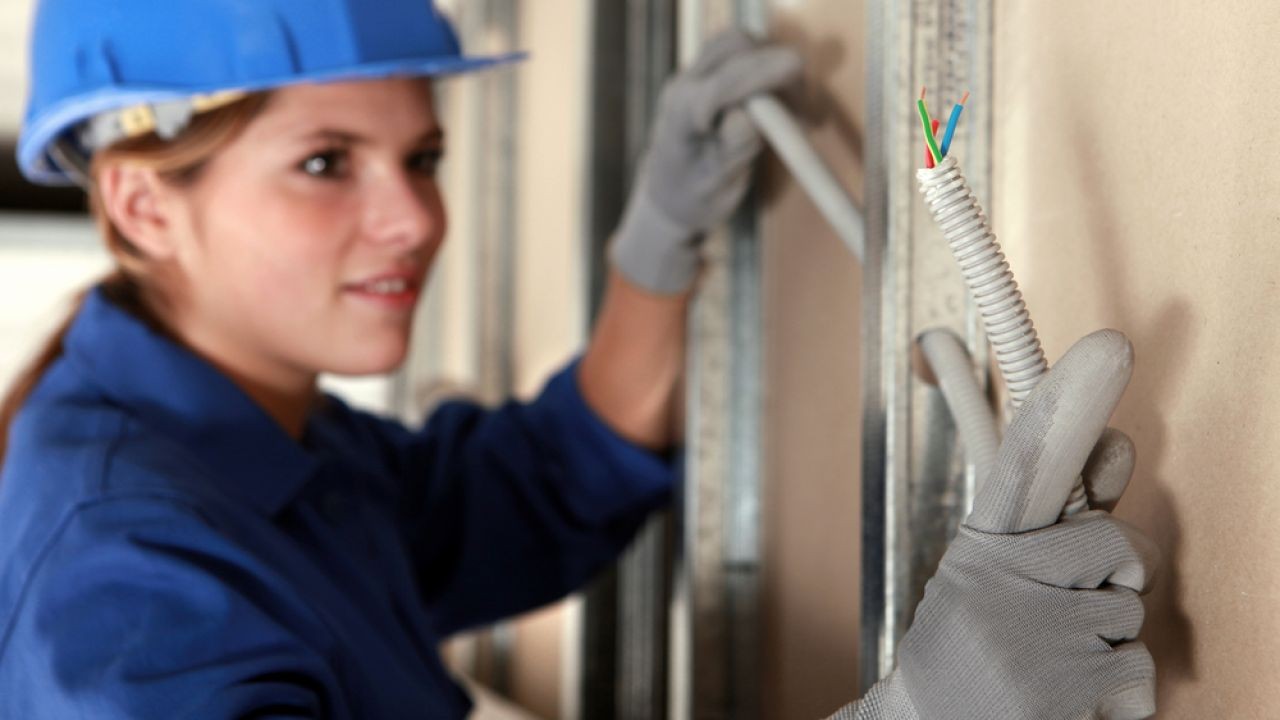






Renovating a home in New Zealand, often seen as a rewarding endeavor, can be fraught with pitfalls. With the country's unique blend of architectural styles, stringent building codes, and volatile real estate market, Kiwi homeowners must tread carefully. Let's delve into the top renovation mistakes to avoid, ensuring your investment yields the highest returns.
1. Failing to Secure Proper Permits
One of the most common oversights is neglecting to obtain the necessary building consents. In New Zealand, the Building Act 2004 mandates that certain types of renovations require local council approval. Ignoring this can lead to hefty fines and the need to undo completed work, significantly inflating costs.
Action Step: Always check with your local council to determine if your project needs consent. Consulting with a licensed building practitioner can also help navigate these requirements.
2. Underestimating Costs
Renovation costs can quickly spiral out of control if not meticulously planned. According to a 2022 report by the Reserve Bank of New Zealand, unforeseen expenses can add an additional 20-30% to the original budget.
Action Step: Create a detailed budget that includes a contingency fund of at least 10-15%. Utilize tools like Home Budget Calculator NZ to track expenses and adjust plans accordingly.
3. Ignoring the Local Market
Renovations should align with the local real estate market to ensure a return on investment. For instance, in Auckland, where property prices have soared by 27% in recent years (Stats NZ, 2024), high-end renovations may yield better returns compared to other regions.
Action Step: Conduct a market analysis to understand the trends in your area. Consult real estate agents and review recent sales data to guide your renovation strategy.
4. Skimping on Quality Materials
Opting for cheaper materials might save money upfront but can lead to higher maintenance costs and reduced property value over time. The Ministry of Business, Innovation, and Employment (MBIE) emphasizes the importance of using durable materials that comply with New Zealand's building standards.
Action Step: Invest in high-quality materials that offer long-term durability and appeal. This not only enhances the home's value but also reduces future repair costs.
Case Study: Wellington Homeowner's Renovation Success
Problem: A Wellington homeowner faced declining property value due to outdated interiors.
Action: They engaged a local architect to modernize the space, focusing on sustainable materials and energy-efficient upgrades.
Result: The home’s value increased by 35% within a year, as confirmed by a post-renovation appraisal.
Takeaway: Aligning renovations with market trends and focusing on sustainability can significantly boost property value.
Pros and Cons of DIY Renovations
Many homeowners consider DIY renovations to save money, but this approach has its own set of challenges.
Pros:
- Cost Savings: DIY can reduce labor costs, potentially saving thousands.
- Personal Satisfaction: Completing a project yourself can be rewarding.
- Flexibility: You can work at your own pace and make real-time adjustments.
Cons:
- Quality Risks: Lack of professional skills may lead to subpar results.
- Time-Consuming: DIY projects often take longer to complete.
- Potential for Mistakes: Errors can result in costly fixes and compliance issues.
Common Myths & Mistakes
Myth: "All renovations increase home value."
Reality: Only strategic renovations aligned with market demands enhance value. Over-customization can deter buyers.
Myth: "You can manage major renovations without a professional."
Reality: Complex projects benefit from professional oversight to ensure compliance and quality.
Myth: "The cheapest contractor is always the best choice."
Reality: Low bids can indicate subpar materials or craftsmanship, leading to higher costs long-term.
Future Trends & Predictions
As New Zealand continues to embrace sustainability, expect a surge in eco-friendly renovations. By 2026, it is predicted that 50% of new renovations will incorporate green technologies, driven by government incentives and consumer demand for energy efficiency (Source: MBIE Green Building Report 2025).
Final Takeaways
- Always obtain necessary permits to avoid legal and financial repercussions.
- Budget comprehensively with a contingency fund to manage unforeseen expenses.
- Align renovations with local market trends for maximum ROI.
- Invest in quality materials to ensure durability and long-term value.
- Consider professional assistance for complex projects to avoid costly mistakes.
Call to Action: Ready to embark on your renovation journey? Join our newsletter for exclusive insights on maximizing property value through strategic renovations. Share your experiences or questions in the comments below!
People Also Ask
- How does renovating impact property value in New Zealand? Renovations that align with market trends and focus on quality can increase property value by up to 35% (Source: Property Investors’ Federation).
- What are common renovation mistakes in New Zealand? Failing to secure permits and underestimating costs are prevalent mistakes. Proper planning and expert consultation are key to avoiding these pitfalls.
- What are the best strategies for a successful home renovation? Experts recommend thorough market analysis, quality material investment, and professional consultation to ensure a successful outcome.
Related Search Queries
- Home renovation tips NZ
- Building consent requirements New Zealand
- Cost-effective home renovations
- DIY renovation mistakes to avoid
- Sustainable renovation trends NZ
For the full context and strategies on Top Renovation Mistakes NZ Homeowners Should Avoid, see our main guide: Trades Services Educational Guides Nz.