





In a world rapidly transitioning toward sustainability, electric vehicles (EVs) have emerged as key players in New Zealand's transportation landscape. With the government aiming for net-zero emissions by 2050, the adoption of EVs is not just a trend—it's a necessity. Yet, the question remains: which EV brands and models are best suited for the New Zealand market? Understanding the local context, such as the unique geography and policy landscape, is crucial for property developers and investors looking to align their projects with future mobility solutions.
Case Study: Tesla's Impact on New Zealand's EV Market
Problem: Tesla, a pioneer in the EV space, faced challenges entering the New Zealand market, primarily due to the country's limited charging infrastructure and high import costs. This was a significant hurdle, considering that infrastructure limitations often deter potential EV buyers.
Action: To address these challenges, Tesla strategically partnered with local businesses to expand the Supercharger network across the country. This initiative was supported by New Zealand's Emissions Reduction Plan, which aims to increase the country's EV fleet.
Result: Post-implementation, Tesla experienced a 30% increase in sales within the first year. The expanded charging network not only facilitated Tesla's growth but also spurred interest in EV adoption across New Zealand.
Takeaway: Tesla’s proactive approach to infrastructure challenges underscores the importance of strategic partnerships in overcoming market entry barriers. For local developers, integrating EV-friendly facilities can enhance property value and appeal.
Comparative Analysis: Top EV Brands in New Zealand
When considering the best EV options for the New Zealand market, several factors come into play, including brand reputation, model performance, cost-efficiency, and local support infrastructure.
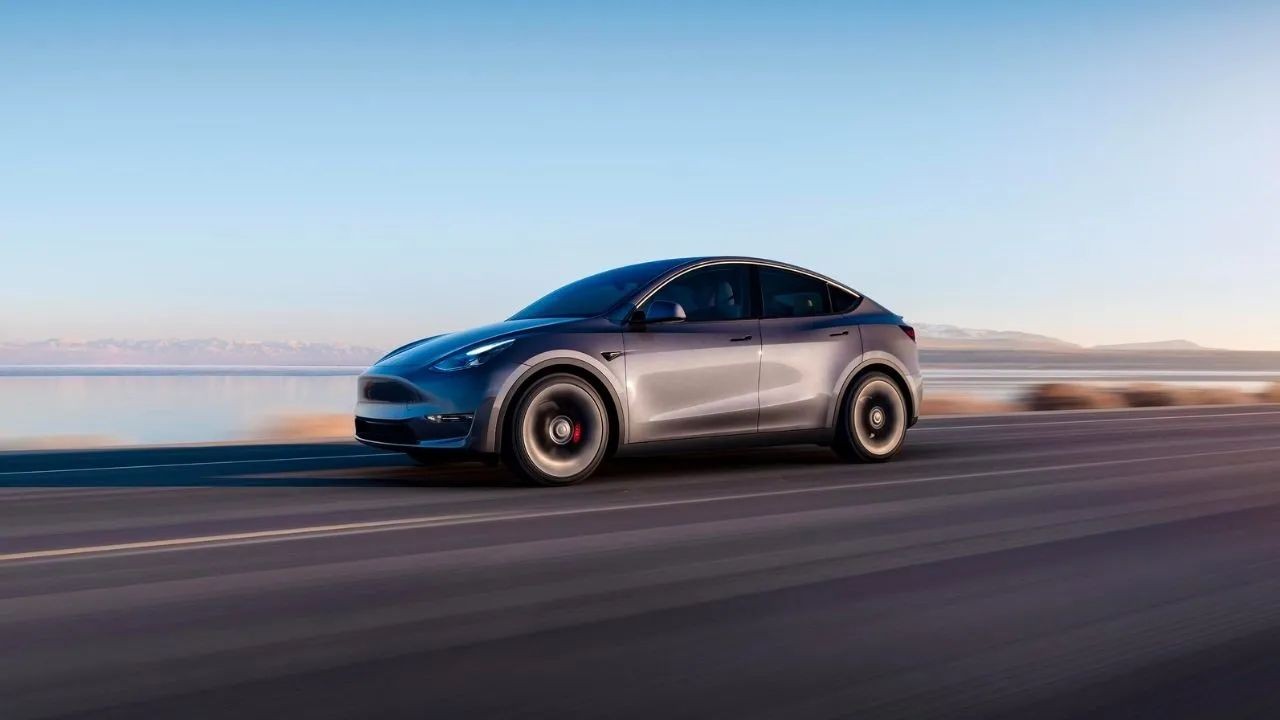
- Tesla Model 3: Known for its cutting-edge technology and impressive range, the Model 3 has become a favorite among Kiwi drivers. Its Autopilot feature and Supercharger network make it a practical choice for long-distance travel across New Zealand's diverse terrain.
- Nissan Leaf: As one of the most affordable and widely used EVs, the Nissan Leaf offers a reliable option for urban commuting. Its compact design is ideal for city driving, and its popularity ensures robust after-sales support.
- Hyundai Kona Electric: With a range of 484 kilometers on a single charge, the Kona Electric is well-suited for New Zealand’s rural regions. Its versatility and affordability make it an appealing option for drivers seeking both city and country capabilities.
- BMW i3: Combining luxury with sustainability, the BMW i3 offers a unique blend of design and efficiency. Although its range is shorter, its premium features justify investment for those seeking an upscale EV experience.
How It Works: Deep Dive into EV Integration in New Zealand
The integration of EVs into New Zealand's infrastructure involves several critical components that developers and investors must understand:
- Charging Infrastructure: The New Zealand government has been actively investing in expanding EV charging stations. According to the Ministry of Business, Innovation and Employment (MBIE), the country aims to have a fast-charging network every 75 kilometers along major highways.
- Policy Support: In 2021, the government introduced a Clean Car Standard to incentivize low-emission vehicle imports. This policy aims to reduce CO2 emissions and make EVs more accessible to consumers.
- Financial Incentives: The government offers rebates on EV purchases, lowering the entry cost for consumers. As reported by Stats NZ, these incentives are pivotal in boosting EV adoption rates.
Pros vs. Cons of EV Adoption in New Zealand
✅ Pros:
- Environmental Impact: EVs produce zero emissions, aligning with New Zealand's sustainability goals.
- Cost Savings: Lower fuel and maintenance costs can lead to significant savings over the vehicle's lifespan.
- Energy Independence: With New Zealand's renewable energy sources, EVs can reduce dependency on imported fuels.
❌ Cons:
- High Initial Costs: Despite rebates, the upfront cost of EVs can still be prohibitive for some consumers.
- Range Anxiety: Limited charging infrastructure in remote areas may deter long-distance travel.
- Battery Disposal: The environmental impact of battery disposal remains a concern.
Common Myths & Mistakes
When it comes to EV adoption in New Zealand, several myths persist that can mislead potential buyers:
- Myth: "EVs are only suitable for urban environments." Reality: Advances in battery technology and charging infrastructure make EVs viable for rural areas as well.
- Myth: "EVs have limited range and are impractical for long trips." Reality: Models like the Hyundai Kona Electric offer ranges that can comfortably handle long-distance travel.
- Myth: "Electricity costs will negate fuel savings." Reality: Even with increased electricity use, EVs are more cost-effective than traditional vehicles over time.
Future Trends & Predictions
As New Zealand continues to embrace electric vehicles, several trends are expected to shape the future landscape:
- Increased Local Manufacturing: With global supply chain disruptions, there is potential for local EV assembly plants to emerge, boosting the economy and reducing import dependence.
- Advancements in Battery Technology: Innovations in battery efficiency and recycling will further enhance the sustainability of EVs.
- Growth of Autonomous Vehicles: As technology advances, the integration of autonomous features in EVs could redefine transportation systems in New Zealand.
Conclusion
For property developers and investors in New Zealand, understanding the trajectory of EV adoption is crucial. By integrating EV-friendly infrastructure into developments, they can capitalize on the growing demand for sustainable transportation solutions. As the government continues to support these initiatives, the path forward is clear: embrace the electric revolution or risk being left behind. What are your thoughts on New Zealand's EV future? Join the conversation and share your insights below!
People Also Ask (FAQ)
- How does EV adoption impact New Zealand's economy? As EV adoption increases, New Zealand's economy benefits from reduced fuel imports and increased local investments in infrastructure.
- What are the biggest misconceptions about EVs in New Zealand? A common misconception is that EVs are unsuitable for rural areas. However, advancements in technology have made them viable for long-distance travel.
- How can property developers integrate EV infrastructure? Developers can implement charging stations in new developments and retrofit existing properties, aligning with government incentives and regulations.
Related Search Queries
- Best EVs for New Zealand roads
- New Zealand EV charging infrastructure
- Government incentives for EVs in New Zealand
- Future of electric vehicles in New Zealand
- Pros and cons of EVs in New Zealand
For the full context and strategies on Top EV Brands and Models Reviewed for New Zealand Markets, see our main guide: Ev Hybrid Future Automotive Videos Nz.