






Renovating a property can be both an exciting and daunting task, especially when budget constraints are a primary concern. This is particularly relevant in New Zealand, where the housing market is experiencing a surge in costs and demand, making budget-friendly renovations a significant consideration for homeowners and investors alike. To navigate these challenges effectively, one must employ strategic planning and informed decision-making, ensuring both cost-efficiency and quality outcomes.
Future Forecast & Trends
In New Zealand, the real estate sector is under pressure due to rising construction costs and stringent government regulations. According to the Ministry of Business, Innovation and Employment (MBIE), construction costs have increased by approximately 30% over the past five years, driven by supply chain disruptions and labor shortages. This trend is expected to continue, making it crucial for property owners to adopt innovative strategies to manage renovation costs effectively.
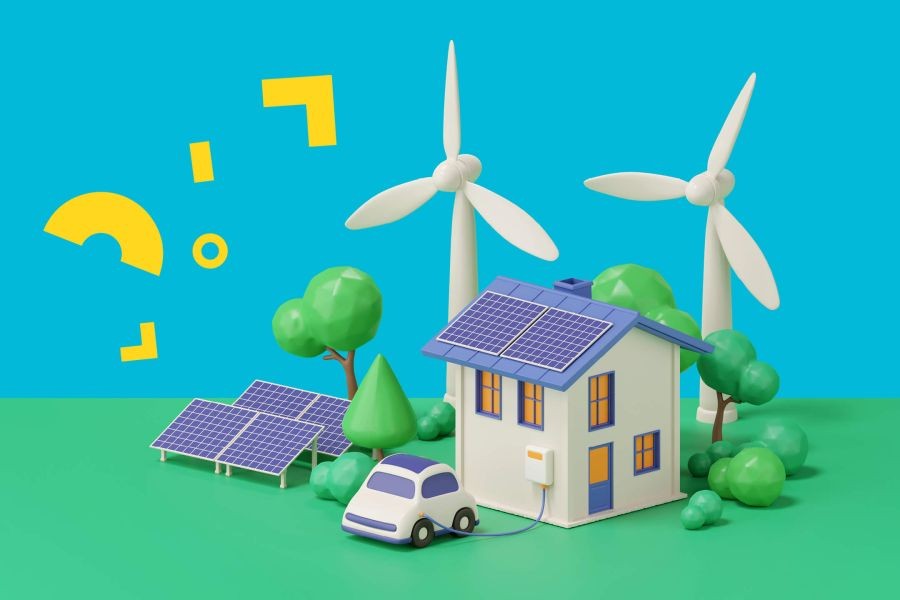
Moreover, sustainability is becoming a pivotal trend in renovations. There's a growing demand for eco-friendly materials and energy-efficient designs, which, although initially costly, promise long-term savings and compliance with emerging environmental regulations. As reported by Stats NZ, over 60% of new builds in 2023 incorporated some form of sustainable technology, indicating a shift towards green renovations.
How It Works (Deep Dive)
1. Strategic Budget Planning
- Prioritize Needs Over Wants: Focus on essential repairs and upgrades that add value or prevent future expenses.
- Detailed Cost Estimation: Obtain multiple quotes and create a detailed budget, accounting for potential overruns.
- Leverage Local Expertise: Utilize the expertise of local tradespeople who understand New Zealand's unique building codes and environmental factors.
2. Sustainable Choices
- Energy Efficiency: Invest in insulation, energy-efficient windows, and solar panels to reduce long-term utility costs.
- Recycled Materials: Use recycled or locally-sourced materials to cut down on expenses and environmental impact.
3. DIY Opportunities
- Simple Projects: Consider DIY for tasks like painting, landscaping, or minor repairs to save on labor costs.
- Skill Development: Attend local workshops or online courses to enhance your DIY skills and reduce reliance on paid labor.
Real-World Case Study: Kiwi Renovation Success
Case Study: The Smith Family – Renovating for Energy Efficiency
Problem:
The Smith family, residing in Auckland, faced skyrocketing energy bills due to poor insulation and outdated heating systems. Like many New Zealand homeowners, they were concerned about rising electricity costs, which increased by 20% from 2022 to 2023 (Source: Stats NZ).
Action:
To address these issues, the Smiths invested in comprehensive home insulation and installed solar panels. They also replaced old windows with double-glazed alternatives, significantly improving their home's energy efficiency.
Result:
Within the first year, the Smith family reduced their energy bills by 35%, saving approximately $1,200 annually. Additionally, their property value increased by 10% due to the sustainable upgrades, showcasing the financial benefits of eco-friendly renovations.
Takeaway: This case study highlights the critical role of energy-efficient renovations in reducing long-term costs and enhancing property value. New Zealand homeowners can adopt similar strategies to achieve both economic and environmental benefits.
Pros vs. Cons of Budget-Friendly Renovations
✅ Pros:
- Cost Savings: Strategic renovations can yield up to 30% savings compared to full-scale remodels.
- Increased Property Value: Even minor updates can significantly boost home value, offering a solid ROI.
- Environmental Impact: Sustainable renovations contribute to lower carbon footprints and long-term utility savings.
❌ Cons:
- Initial Investment: Eco-friendly materials and technologies may require higher upfront costs.
- Limited Scope: Budget constraints may limit the extent of renovations, potentially compromising on certain aesthetic or functional aspects.
- Time Intensive: DIY projects can be time-consuming, requiring significant commitment and skill development.
Common Myths & Mistakes
Myth vs. Reality
Myth: "All renovations increase property value."
Reality: Only strategic updates, particularly those enhancing energy efficiency and essential repairs, reliably boost value. Unnecessary luxury upgrades may not yield a return.
Myth: "DIY is always cheaper."
Reality: Poorly executed DIY projects can lead to costly repairs. Professional expertise is crucial for complex tasks.
Mistakes to Avoid
- Overlooking Permits: Ensure compliance with local regulations to avoid fines and project delays.
- Ignoring Long-Term Costs: Opt for quality materials that reduce maintenance costs over time.
- Underestimating Budget: Always include a contingency fund for unforeseen expenses.
Future Trends & Predictions
As New Zealand continues to prioritize environmental sustainability, the demand for green renovations will soar. By 2030, it's projected that 75% of renovations will incorporate eco-friendly elements, driven by both policy incentives and consumer demand. Additionally, advancements in technology, such as smart home systems, will revolutionize how renovations are approached, offering more efficient and customizable solutions.
Conclusion & Call to Action
Planning a budget-friendly renovation in New Zealand requires careful strategy, informed decision-making, and a focus on sustainability. By prioritizing essential upgrades, leveraging local expertise, and adopting eco-friendly practices, homeowners can achieve both financial and environmental benefits. Ready to start your renovation journey? Connect with local experts to explore sustainable options that align with your budget and vision.
Related Search Queries
- Budget renovation ideas NZ
- Sustainable home renovations New Zealand
- DIY renovation tips NZ
- Energy-efficient home upgrades NZ
- New Zealand renovation regulations
For the full context and strategies on How to Plan a Budget-Friendly Renovation in NZ, see our main guide: Construction Safety Training Nz.