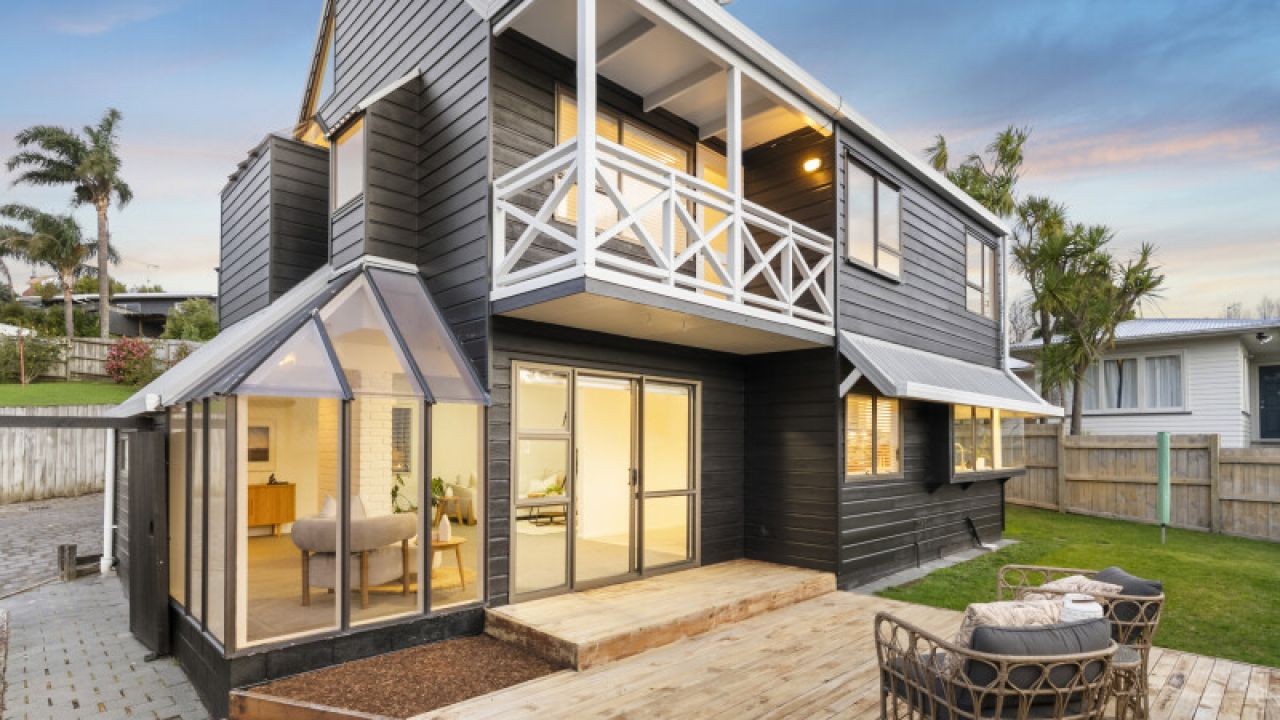






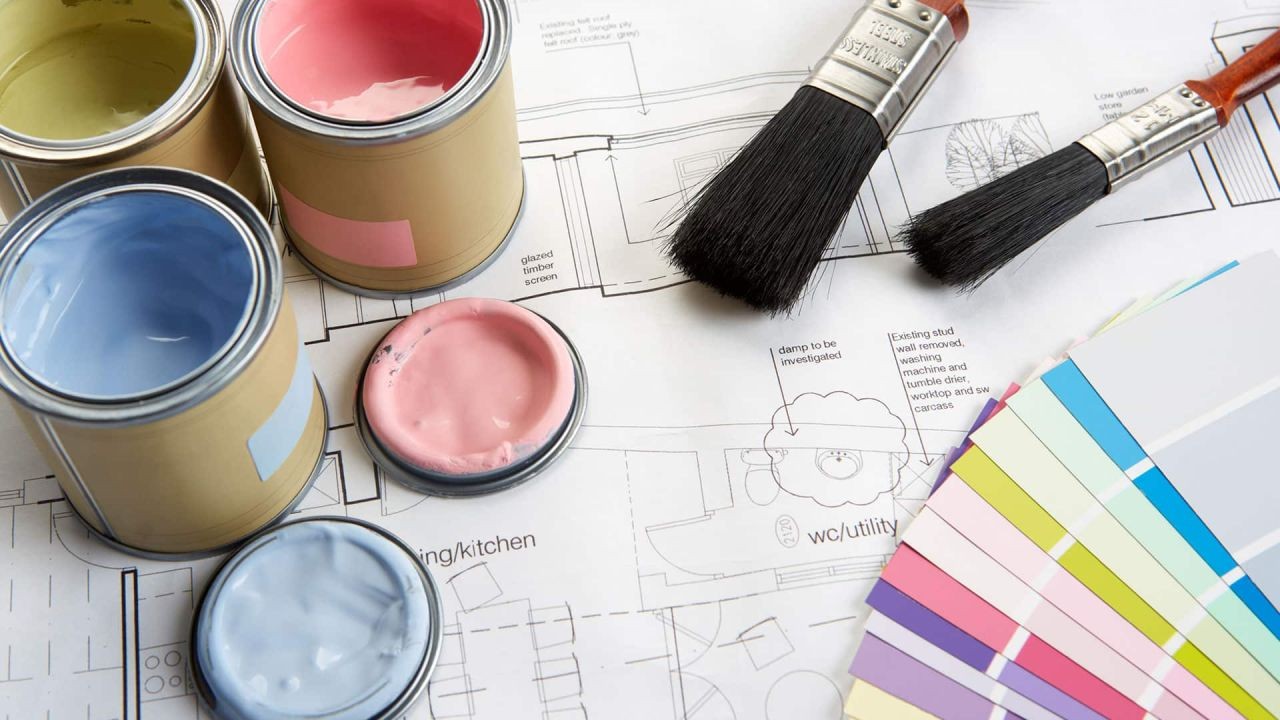
New Zealand's lush landscapes and pristine environments are cherished globally, yet the products used in Kiwi homes often don't reflect the country's eco-conscious ideals. As the demand for sustainable living grows, homeowners in New Zealand are increasingly interested in eco-friendly paints and materials. This shift is not just a trend but a necessary transition towards reducing environmental impact and enhancing home health. Let's explore the transformative potential of eco-friendly products in the Kiwi context, backed by industry insights and expert opinions.
Future Forecast & Trends: The Rise of Eco-Friendly Solutions
The global market for eco-friendly paints is projected to reach USD 11.7 billion by 2027, according to a report by Grand View Research. In New Zealand, this shift is mirrored by growing consumer awareness and government initiatives supporting sustainability. The Ministry of Business, Innovation and Employment (MBIE) has highlighted that the construction sector, which significantly contributes to the nation's carbon footprint, is under pressure to adopt greener practices.
In response, local companies are innovating with paints made from natural ingredients, offering products that are free from volatile organic compounds (VOCs) and other harmful chemicals. These paints not only reduce indoor air pollution but also contribute to a healthier living environment. The trend is clear: eco-friendly paints and materials are not just an ethical choice but a smart investment for Kiwi homeowners looking to future-proof their properties.
Debate & Contrasting Views: Balancing Cost and Environmental Impact
The transition to eco-friendly home products is not without its challenges. A major point of contention is the cost associated with these materials. While proponents argue that the long-term savings on health and environmental cleanup justify the initial investment, critics point out that the upfront costs can be a barrier for many homeowners.
According to a study by the Reserve Bank of New Zealand, the average cost of home renovation has increased by 20% over the past five years, largely due to the integration of sustainable materials. However, industry experts argue that these costs are offset by the reduction in health-related expenses and the potential for increased property value.
Contrasting Viewpoints:
- Advocate Perspective: Eco-friendly paints reduce long-term health risks and environmental impact, making them a wise investment.
- Critic Perspective: The high initial costs can deter homeowners, especially in economically challenging times.
- Middle Ground: Government subsidies and incentives can make eco-friendly options more accessible to the average homeowner.
Expert Opinion & Thought Leadership: Insights from Industry Leaders
Jessica Lewis, an entertainment and pop culture reporter, highlights the cultural shift towards sustainability as a driving force in the market. "The demand for eco-friendly products is not just a trend; it's a cultural movement. Homeowners are increasingly prioritizing their health and environmental impact over short-term savings," she notes.
Industry leaders like Resene, a New Zealand-based paint company, are at the forefront of this movement. Resene's innovative Eco Decorator program sets standards for sustainable painting practices, ensuring quality and environmental responsibility. Their range of waterborne paints, low in VOCs, aligns with the growing consumer demand for healthier home environments.
Real-World Case Study: Resene's Eco Decorator Program
Problem:
Resene, a leading paint company in New Zealand, faced the challenge of meeting growing consumer demand for eco-friendly products without compromising on performance or increasing costs significantly.
Action:
Resene launched the Eco Decorator program, focusing on sustainable painting practices and eco-friendly products. They developed a range of paints that are low in VOCs and promote healthier indoor air quality.
Result:
- Market Share Increase: Resene's market share in eco-friendly paints grew by 30% within two years.
- Customer Satisfaction: Customer satisfaction ratings improved by 25%, with many citing the health benefits and environmental impact as key factors.
- Industry Recognition: The program received multiple awards for innovation and sustainability.
Takeaway:
Resene's success demonstrates the viability and consumer demand for eco-friendly products. Their approach highlights the importance of innovation and commitment to sustainability in capturing market share and enhancing brand reputation in New Zealand.
Common Myths & Mistakes: Debunking Misconceptions
As eco-friendly home products gain popularity, several myths persist, potentially misleading consumers. Let's address some of these misconceptions:
- Myth: "Eco-friendly paints are less durable."
- Reality: Modern eco-friendly paints offer comparable durability to conventional paints, with many outperforming them in terms of longevity and resistance to fading.
- Myth: "Eco-friendly materials are always more expensive."
- Reality: While initial costs can be higher, the long-term savings on health and maintenance make them cost-effective. Moreover, government incentives can offset these costs.
- Myth: "There's limited variety in eco-friendly paints."
- Reality: The range of colors and finishes available in eco-friendly options is vast, catering to diverse aesthetic preferences.
Challenge: Did you believe any of these myths before reading this? Share your thoughts below!
Biggest Mistakes to Avoid: Common Pitfalls in Eco-Friendly Home Renovations
- Mistake: Choosing price over quality. Solution: Prioritize quality and sustainability; the initial investment pays off in long-term savings and benefits.
- Mistake: Ignoring certifications. Solution: Look for certifications like Environmental Choice New Zealand to ensure product authenticity.
- Mistake: Overlooking maintenance requirements. Solution: Understand the care and maintenance needed for eco-friendly materials to ensure longevity.
Conclusion: Final Takeaway & Call to Action
The adoption of eco-friendly paints and materials in New Zealand is more than a trend—it's a pivotal shift towards sustainable living. As homeowners embrace these products, they contribute to a healthier environment and enhance their property's value. The key is making informed choices backed by expert advice and industry insights.
Ready to make a change? Explore eco-friendly options for your next home renovation and join the movement towards a sustainable future in New Zealand. Share your experiences or questions in the comments below!
Related Search Queries
- Eco-friendly paints NZ
- Sustainable home materials NZ
- Low VOC paints New Zealand
- Green building materials NZ
- Environmental Choice New Zealand
People Also Ask (FAQ)
- How do eco-friendly paints benefit homeowners in New Zealand?Eco-friendly paints reduce indoor air pollution, providing a healthier living environment and contributing to sustainability efforts, which align with New Zealand's environmental goals.
- What are the biggest misconceptions about eco-friendly paints?A common myth is that they are less durable. However, modern eco-friendly paints offer comparable durability and a wide range of color options.
- How can I ensure the eco-friendliness of materials I purchase?Look for certifications like Environmental Choice New Zealand and research the company's sustainability practices to ensure authenticity.
For the full context and strategies on Kiwi Homeowners’ Guide to Eco-Friendly Paints and Materials, see our main guide: Product Event Demos Nz.