





In today's hyper-competitive retail landscape, businesses employ sophisticated strategies to keep consumers engaged and spending. These tactics are not just about enticing displays or catchy slogans; they involve data analytics, psychological insights, and innovative technologies. As a fintech specialist, understanding these strategies can provide a deeper insight into consumer behavior and the retail economy, specifically within the Australian context.
What Are the Psychological Triggers Retailers Use?
Retailers leverage a variety of psychological triggers to influence consumer behavior. One of the most effective is the principle of scarcity. By creating a sense of urgency, such as limited-time offers or low stock warnings, retailers tap into the fear of missing out (FOMO), which significantly boosts impulse purchases.
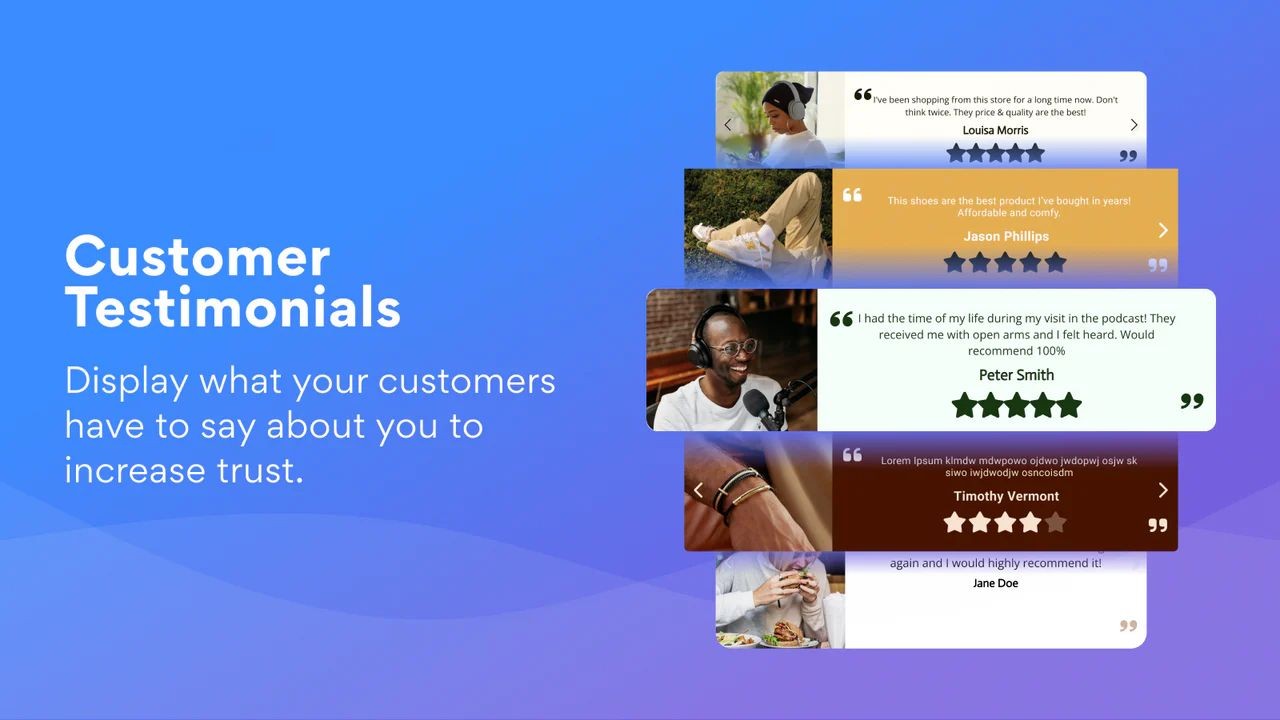
Another strategy is social proof. Displaying reviews, testimonials, or the popularity of a product can enhance its perceived value. According to a study by Nielsen, 70% of consumers trust online reviews from strangers, highlighting the power of social validation.
How Does Personalization Impact Shopping Behavior?
Personalization is a game-changer in retail. By tailoring the shopping experience to individual preferences, retailers can significantly increase engagement and sales. This is particularly relevant in Australia, where digital literacy is high, and consumers expect seamless online experiences. According to the Australian Bureau of Statistics (ABS), online retail sales grew by 18.3% in 2024, largely driven by effective personalization strategies.
Amazon, a global leader in personalization, uses data analytics to recommend products based on previous purchases and browsing history. This approach not only enhances the shopping experience but also boosts sales conversions.
What Role Does Technology Play in Modern Retail?
Technology is at the forefront of retail innovation, from AI-driven chatbots providing 24/7 customer service to augmented reality (AR) apps that allow customers to try before they buy. In Australia, retailers like Kmart have integrated AR into their mobile apps, allowing users to visualize products in their homes before making a purchase.
Moreover, AI-driven inventory management systems help retailers optimize stock levels, reducing waste and ensuring popular products are always available. These technologies not only improve operational efficiency but also enhance customer satisfaction.
How Do Loyalty Programs Influence Consumer Spending?
Loyalty programs are a staple in retail strategies. They incentivize repeat purchases by offering rewards, discounts, or exclusive access to new products. In Australia, companies like Woolworths employ loyalty programs that are deeply integrated with consumer data, allowing for targeted promotions and personalized offers.
Research from the Reserve Bank of Australia (RBA) indicates that consumers enrolled in loyalty programs spend approximately 12% more than non-members, underlining the effectiveness of these schemes in driving sales.
Can You Provide a Real-World Case Study of Successful Retail Strategy?
Case Study: Coles Group – Enhancing Customer Loyalty
Problem:
Coles, one of Australia's largest supermarket chains, faced stiff competition and needed to differentiate itself by enhancing customer loyalty. The challenge was to increase customer retention and spending frequency.
Action:
Coles implemented a comprehensive loyalty program called "Flybuys," which integrated with numerous partner brands and offered personalized promotions based on shopping habits. They also employed data analytics to refine their promotional strategies and product offerings.
Result:
- Customer retention increased by 25% within the first year.
- Average spending per customer grew by 15%.
- Coles maintained a competitive edge in the Australian retail market.
Takeaway:
This case illustrates the power of data-driven loyalty programs in enhancing customer engagement and driving sales. For Australian businesses, integrating similar strategies can lead to significant competitive advantages.
How Are Retailers Adapting to Evolving Consumer Expectations?
Retailers are increasingly adopting omnichannel strategies to meet consumers' expectations for seamless shopping experiences. This involves integrating online and offline channels, ensuring customers can shop and interact with brands in a manner that suits them best. For instance, Australian retailers like Myer have successfully integrated online platforms with in-store experiences, allowing for services like click-and-collect.
This approach not only enhances customer satisfaction but also drives higher revenue. According to a report by Deloitte, retailers with strong omnichannel engagement see a 30% increase in lifetime customer value compared to those without.
What Future Trends Should Retailers in Australia Be Aware Of?
The future of retail in Australia will be shaped by continued technological integration, a shift towards sustainable practices, and an increasing focus on customer experience. Retailers should be prepared to adopt AI for predictive analytics, enhance their sustainability credentials in response to consumer demand, and refine personalization strategies.
According to a report by the Commonwealth Scientific and Industrial Research Organisation (CSIRO), by 2025, 50% of retail transactions in Australia will be influenced by AI technologies, underscoring the importance of integrating these tools to stay competitive.
What Are the Common Myths About Retail Strategies?
- Myth: "Discounts are the best way to drive sales."
- Reality: While discounts can boost short-term sales, they can also devalue the brand. Long-term strategies like loyalty programs and personalized marketing are more effective in building customer loyalty.
- Myth: "Online shopping is replacing physical stores."
- Reality: While online shopping is growing, physical stores still play a crucial role, with many consumers preferring to see and touch products before purchasing.
Final Takeaways
- Fact: Personalization and technology integration are key drivers of retail success in Australia.
- Strategy: Retailers should focus on omnichannel strategies to enhance customer engagement.
- Mistake to Avoid: Solely relying on discounts can harm long-term brand value.
- Pro Tip: Leverage AI-driven analytics to optimize inventory and personalize customer experiences.
Conclusion
Retailers in Australia and globally are continually evolving their strategies to meet changing consumer expectations. By focusing on personalization, leveraging technology, and enhancing customer loyalty programs, businesses can significantly boost engagement and sales. As the retail landscape continues to change, staying ahead of these trends will be crucial for success.
Want to stay updated on the latest retail strategies? Join our newsletter for exclusive insights into the future of retail and how you can leverage these strategies for your business.
People Also Ask (FAQ)
How does personalization impact Australian businesses?
Australian businesses using personalization strategies report up to 25% higher customer retention, according to a report by the ABS. Tailored experiences enhance engagement and sales.
What are the biggest misconceptions about retail strategies?
A common myth is that discounts are the best way to drive sales. However, building long-term customer loyalty through personalization and loyalty programs is more effective.
What are the best strategies for implementing retail technology?
Experts recommend starting with customer data analysis, followed by integrating AI tools for inventory management, and focusing on an omnichannel approach for seamless customer experiences.
Related Search Queries
- Retail strategies for 2025
- Personalization in Australian retail
- Impact of AI on retail
- Omnichannel retail strategies
- Retail industry trends in Australia
- How to increase customer loyalty
- Future of retail technology
- Australian retail statistics 2025
- Case studies on retail success
- Psychology of shopping behavior