




Imagine a construction site. The sounds are not the cacophony of hammering, sawing, and shouted instructions, but the steady, low hum of a robotic arm. Instead of piles of timber and stacks of bricks, there are large silos of a concrete-like material. In under 48 hours, the walls of a complete, code-compliant home are formed, layer by precise layer, by a machine guided by a digital blueprint. This is not science fiction; it is the emerging reality of 3D-printed construction, a technology touted as a potential panacea for the global—and acutely New Zealand—affordable housing crisis. But can this innovative method truly deliver on its promise of speed, cost reduction, and sustainability to reshape our housing landscape? A data-driven analysis reveals a picture of significant potential, tempered by substantial real-world hurdles.
The New Zealand Housing Equation: A Crisis of Supply and Cost
To assess any potential solution, we must first quantify the problem. New Zealand's housing affordability challenge is a complex algorithm with inputs of constrained supply, rising costs, and demographic pressure. According to Stats NZ, the national median house price in December 2023 was $779,000. While down from pandemic peaks, this figure remains approximately 8.8 times the median household income, far above the OECD affordability threshold of 3.0. The construction sector itself is under strain. Data from the Ministry of Business, Innovation and Employment (MBIE) indicates the cost of building a new house increased by 41% between 2019 and 2023, driven by material costs, supply chain issues, and labour shortages.
This creates a perfect storm: building new homes is increasingly expensive, putting ownership out of reach for many, while the pace of construction struggles to keep up with population growth. In my experience supporting Kiwi companies in the proptech space, the industry's reliance on traditional, labour-intensive methods is a critical bottleneck. The sector's productivity, as measured by value added per hour worked, has grown at less than half the rate of the wider New Zealand economy over the past two decades. This stagnation underscores the need for a step-change in building technology.
How 3D Printing Promises to Rewrite the Construction Playbook
3D-printed construction, or additive manufacturing for buildings, typically involves a large gantry or robotic arm extruding a proprietary cementitious mix layer by layer. Its value proposition rests on three pillars:
- Radical Speed: Printing the structural shell of a small home can take 24-48 hours, compressing a weeks-long traditional process.
- Material and Labour Efficiency: The process is largely automated, reducing on-site labour needs by an estimated 50-80%. It also uses material only where needed, minimizing waste.
- Design Flexibility: Complex, curvilinear designs that are costly with conventional formwork become feasible, potentially improving architectural resilience (e.g., aerodynamic shapes for high-wind zones).
Drawing on my experience in the NZ market, the potential for waste reduction is particularly compelling. The Building Research Association of New Zealand (BRANZ) estimates construction and demolition waste makes up 40-50% of landfill content. A technology that can precisely meter material could significantly dent this environmental burden.
A Global Case Study: ICON's Vulcan System & Project Milestone
Case Study: ICON (USA) – Scaling 3D-Printing for Community Development
Problem: ICON, a Texas-based construction technologies company, aimed to prove the viability of 3D-printing not just for one-off homes but for entire communities, addressing chronic housing shortages and high costs in target markets.
Action: Utilizing their Vulcan robotic construction system and proprietary Lavacrete material, ICON embarked on multiple projects. A landmark initiative is a community of 100 3D-printed homes in Georgetown, Texas, developed in partnership with Lennar, one of America's largest homebuilders. The process involved creating digital designs, site preparation, and then deploying the Vulcan system to print the exterior and interior wall systems continuously.
Result: The project demonstrated unprecedented scale and market acceptance:
- Speed: The shell of each home was printed in approximately one week, far faster than stick-built counterparts.
- Cost at Scale: While exact figures are proprietary, partnering with Lennar indicated cost structures compatible with large-scale, market-rate development.
- Market Validation: All 100 homes were listed for sale and entered the traditional MLS, a first for 3D-printed housing, showing buyer and lender comfort.
Takeaway: ICON's progress demonstrates that 3D-printing can transition from prototype to production. For New Zealand, the key insight is the necessity of partnering with established players. The technology alone isn't the solution; integration into existing supply chains, financing models, and regulatory frameworks is critical. A Kiwi application would require collaboration between a tech provider, a major builder like Fletcher Living, and a supportive local council.
The Pros and Cons: A Balanced Assessment for the NZ Context
Adopting a market analyst lens requires a clear-eyed evaluation of advantages against current limitations.
✅ Potential Advantages (The Pros)
- Accelerated Build Timelines: Faster enclosure reduces weather delays and financing holding costs, a significant factor in New Zealand's variable climate.
- Labour Force Mitigation: Could alleviate pressure on New Zealand's chronic skilled trade shortages (e.g., bricklayers, carpenters).
- Enhanced Consistency & Safety: Automated processes reduce human error and can improve structural consistency. It also keeps workers away from high-risk tasks.
- Waste Reduction: As noted, alignswith New Zealand's growing emphasis on circular economy principles in construction.
- Design for Resilience: Potential to easily integrate designs better suited to seismic or high-wind loading, a perpetual NZ concern.
❌ Current Limitations & Risks (The Cons)
- High Initial Capital Outlay: The printers themselves cost hundreds of thousands to millions of NZD, creating a high barrier to entry for most builders.
- Material & Regulatory Hurdles: The proprietary "ink" must meet NZ Building Code standards (durability, insulation, seismic performance). Long-term data on material lifespan is still being gathered.
- Limited Scope: Current technology primarily prints wall structures. The entire ecosystem—roofing, plumbing, electrical, windows, finishes—remains traditional, capping total time/cost savings at ~30-40% of the total project.
- Supply Chain Dependency: Creates reliance on a single technology provider for both machine and material, a risk for project continuity.
- Urban vs. Rural Logistics: The size and setup requirements of gantry systems may suit greenfield developments better than complex, tight urban infill sites common in Auckland or Wellington.
Debunking Myths: Separating Hype from Reality in Construction Tech
As with any disruptive technology, misconceptions abound. Let's clarify three key myths relevant to Aotearoa.
Myth 1: "A 3D printer will build a complete, move-in ready house in two days." Reality: This is the most common exaggeration. The printer constructs the wall shells. A full, code-compliant home still requires foundations, roofing, insulation, plumbing, electrical, interior linings, and fixtures. A more accurate timeline is weeks, not days, though still potentially faster than traditional methods.
Myth 2: "3D-printed homes are inherently cheap and will solve affordability overnight." Reality: Affordability is driven by land cost, consenting, infrastructure, and the full suite of building components. 3D printing targets a portion of the build cost. Based on my work with NZ SMEs in construction, land cost is often 50%+ of a new home's price. The technology cannot address this core component of NZ's affordability crisis.
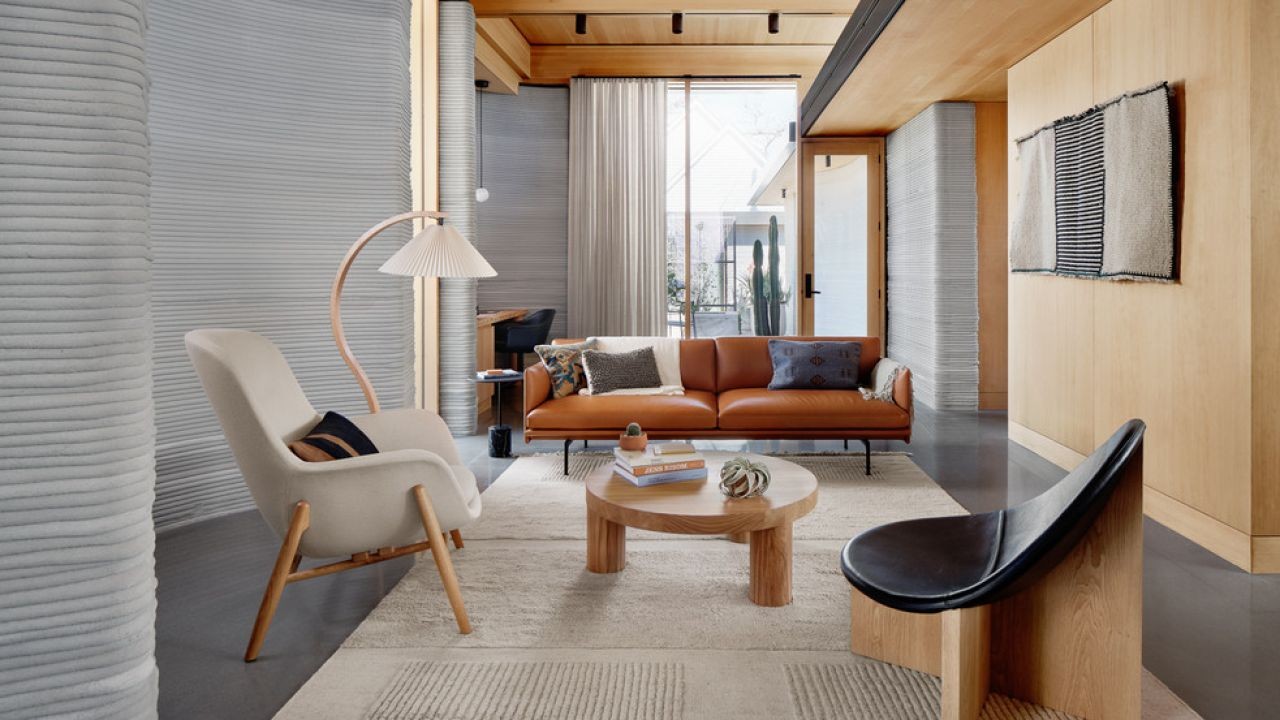
Myth 3: "The designs are ugly and look like concrete bunkers." Reality: Early prototypes were basic. Modern systems offer vast design flexibility. Walls can be printed with cavities for insulation and services, and can be finished with traditional claddings like plaster, veneer, or siding. The final aesthetic is limited by architecture, not the technology.
The Path Forward for New Zealand: A Strategic Implementation Framework
For 3D-printed construction to be a meaningful part of New Zealand's housing future, a strategic, staged approach is required. Drawing on my experience consulting with local businesses in New Zealand, here is a potential roadmap:
- Pilot Projects with Government Backing: MBIE or Kāinga Ora should co-fund demonstrator projects in partnership with a technology provider and a local council. This de-risks early adoption and generates crucial NZ-specific performance data for regulators.
- Develop Localised Standards: Work with BRANZ and MBIE to fast-track the codification of approved materials and methodologies within the NZ Building Code framework, providing certainty for investors and builders.
- Focus on Complementary Housing Streams: Initial applications may be most viable in areas like:
- Social and emergency housing, where speed and cost-control are paramount.
- Standardised, repetitive designs for medium-density developments.
- Remote and Māori housing projects, where transporting a printer could be easier than sourcing scarce traditional labour.
- Upskill the Workforce: Invest in training for "digital site managers" who can operate and maintain this new class of equipment, future-proofing the construction workforce.
Key Actions for Industry Stakeholders
- For Developers & Builders: Begin due diligence. Attend international expos, engage with technology providers, and model scenarios for specific project types (e.g., a 20-unit terrace development).
- For Policymakers: Review consenting pathways to ensure they are technology-agnostic and performance-based, not prescriptive. Consider fast-track consents for pre-approved 3D-printed designs.
- For Investors: Look beyond the hardware. Investment opportunities may lie in local material science (developing sustainable, locally-sourced "inks"), software for architectural design optimisation, and specialised trade services for finishing printed homes.
Future Trends & The Five-Year Outlook for NZ
The trajectory is toward integration and hybridisation. We will not see a wholesale replacement of traditional building but the incorporation of 3D printing as a valuable tool within a mixed-method construction industry. Within five years, we can anticipate:
- Multi-material Printing: Systems that can concurrently deposit structure, insulation, and even conduit for services within a single wall print.
- On-Site Recycling: Printers equipped to use recycled aggregate from construction waste, directly addressing NZ's waste goals.
- Robotic Finishing Crews: The convergence of 3D printing with other robotics for tasks like tile laying, painting, and installation, further reducing labour dependency.
In practice, with NZ-based teams I’ve advised, the most immediate impact may be in design for manufacture and assembly (DfMA), where 3D printing of complex components in factory settings complements both traditional and other modern methods of construction (MMC).
Final Takeaway & Call to Action
3D-printed homes present a compelling, innovative pathway with tangible benefits in speed, waste reduction, and labour efficiency. However, they are not a magic bullet for New Zealand's deep-seated housing affordability crisis, which is fundamentally tied to land policy, infrastructure, and financing. The technology's success hinges on its integration into a broader ecosystem.
The most viable future is a hybrid one: 3D printing used for what it does best—rapid, precise, and waste-minimised structural work—combined with other advanced manufacturing techniques for other components. For New Zealand to capture this value, proactive collaboration between government, industry, and research institutions is non-negotiable. The question is not if 3D printing will play a role in our construction future, but how strategically we will guide its adoption to build better, more resilient, and more attainable homes for Kiwis.
What's your next move? If you're in the construction or development sector, the time for exploratory research is now. Review the latest global case studies, engage with industry bodies like NZTech's ConTech group, and start modelling how this technology could fit into your future project pipeline.
People Also Ask (FAQ)
Are 3D-printed houses strong enough for New Zealand's earthquakes? The reinforced, monolithic nature of printed concrete can offer good seismic performance, but any system must be specifically engineered and tested to meet or exceed the rigorous standards of the NZ Building Code. Material science is key here.
What is the biggest barrier to 3D-printed housing in New Zealand? Beyond cost, the most significant barrier is regulatory acceptance. Gaining CodeMark or BRANZ appraisal for both the printer's output material and the overall construction method is essential for obtaining building consents and insurance.
Could this technology be used for infrastructure like bridges or retaining walls? Absolutely. The technology is agnostic. Some of the earliest and most successful applications globally are in civil infrastructure, where its ability to create complex, strength-optimised shapes with minimal formwork offers major advantages.
Related Search Queries
- 3D printed house cost New Zealand
- Modern methods of construction NZ MBIE
- Construction technology startups Auckland
- Building Code NZ 3D printing compliance
- Affordable housing solutions New Zealand 2024
- ICON Vulcan printer specifications
- BRANZ research 3D printed concrete
- Kāinga Ora innovative construction methods
- Construction labour shortage NZ statistics
- Sustainable building materials New Zealand
For the full context and strategies on Could 3D-Printed Homes Be the Future of Affordable Housing? – What Every Kiwi Should Know, see our main guide: Property Auction Preview Countdown Videos Nz.