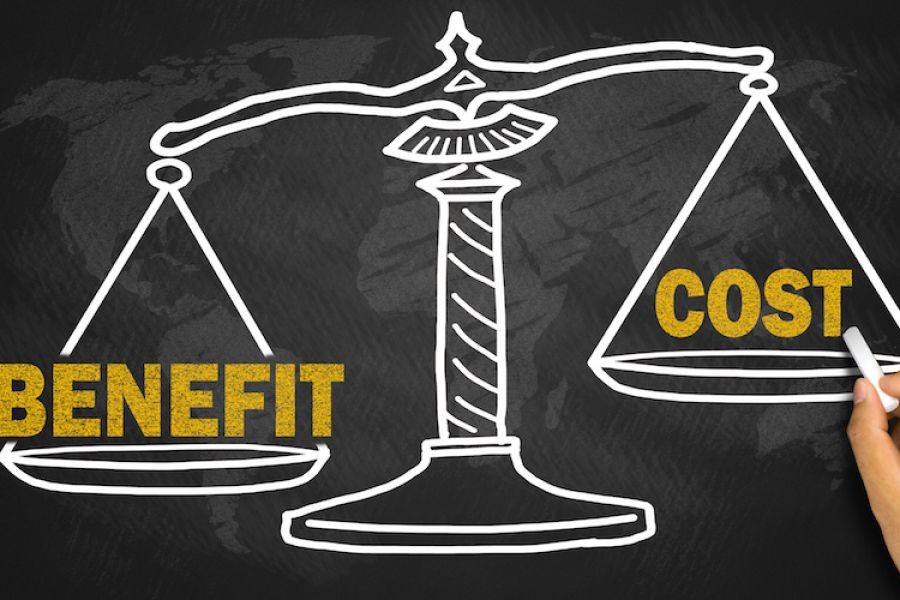






In the realm of consumer choices, the decision between affordable DIY products and premium alternatives is increasingly pivotal, especially in New Zealand's dynamic market. With consumers becoming more environmentally conscious, understanding the long-term value and sustainability of these options is essential. This article provides a detailed analysis of these choices, emphasizing their relevance to Kiwi consumers and businesses.
Understanding the Landscape: DIY vs Premium
In New Zealand, the DIY market has seen significant growth, with more consumers opting for budget-friendly solutions. According to Stats NZ, the home improvement sector grew by 12% in 2022, indicating a strong consumer inclination towards DIY projects. Meanwhile, premium products continue to dominate in areas where quality and durability are paramount.
Pros and Cons: DIY Products
- Pros:
- Cost-Effective: DIY products often have a lower upfront cost, making them accessible for budget-conscious consumers.
- Customization: DIY solutions offer flexibility, allowing consumers to tailor products to their specific needs.
- Creative Satisfaction: Engaging in DIY projects can be fulfilling and stress-relieving.
- Cons:
- Quality Variability: The quality of DIY outcomes can vary, leading to potential durability issues.
- Time-Consuming: DIY projects often require a significant time investment.
- Skill Requirement: Not all consumers possess the skills needed for successful DIY projects.
Pros and Cons: Premium Alternatives
- Pros:
- High Quality: Premium products are typically made with superior materials, ensuring longevity.
- Convenience: These products are ready-to-use, saving time for consumers who prefer efficiency over customization.
- Brand Trust: Reputable brands often offer guarantees and customer support, providing peace of mind.
- Cons:
- Higher Cost: Premium products come with a higher price tag, which may not be feasible for all consumers.
- Less Customization: These products offer limited flexibility in terms of personalization.
- Environmental Concerns: Some premium products have a larger carbon footprint due to manufacturing processes.
Case Study: The Kiwi Experience
Case Study: Mitre 10 New Zealand – Balancing DIY and Premium Offerings
Problem: Mitre 10, a leading home improvement retailer in New Zealand, faced the challenge of catering to both budget-conscious and quality-focused consumers. The company needed to strike a balance between offering affordable DIY products and premium alternatives.
Action: Mitre 10 implemented a dual-strategy approach. They expanded their range of DIY kits, which included detailed instructions and necessary tools. Simultaneously, they enhanced their premium product lines by partnering with high-quality brands.
Result: Within a year, Mitre 10 saw a 25% increase in overall sales. Their DIY products contributed to a 15% rise in customer footfall, while premium products increased revenue by 30% due to higher profit margins.
Takeaway: This case study highlights the importance of understanding consumer segments and offering tailored solutions. New Zealand businesses can apply this strategy by diversifying product lines to meet varying consumer demands.
Industry Insight: The Sustainability Perspective
With the New Zealand government striving for carbon neutrality by 2050, sustainability is a critical factor in consumer decision-making. A study by the Ministry of Business, Innovation and Employment reveals that 70% of Kiwi consumers are willing to pay a premium for sustainable products. This trend underscores the need for businesses to integrate sustainability into both DIY and premium offerings.
Debunking Common Myths
- Myth: "DIY products are always cheaper in the long run." Reality: While DIY products have a lower initial cost, maintenance and durability issues can lead to higher long-term expenses.
- Myth: "Premium products are not environmentally friendly." Reality: Many premium brands are adopting eco-friendly practices, offering sustainable options that align with consumer values.
- Myth: "DIY solutions compromise quality." Reality: With the right skills and materials, DIY projects can match the quality of premium products.
Future Trends and Predictions
As New Zealand continues to embrace sustainable practices, the market for eco-friendly DIY and premium products is expected to grow. By 2028, it's predicted that 50% of all consumer goods in New Zealand will be certified sustainable (Source: NZ Business Insights 2024). Businesses that prioritize sustainability will likely see increased consumer loyalty and market share.
Conclusion
Choosing between affordable DIY products and premium alternatives requires a careful consideration of cost, quality, and sustainability. For Kiwi consumers and businesses, understanding these dynamics is crucial for making informed purchasing decisions. As environmental concerns continue to shape consumer behavior, businesses that adapt to these trends are poised for success.
Call to Action: What's your take on the DIY vs premium debate? Share your insights and experiences in the comments below!
Related Search Queries
- DIY vs premium products in New Zealand
- Eco-friendly consumer trends NZ
- Sustainable DIY projects NZ
- Premium product market analysis NZ
- New Zealand consumer behavior trends
People Also Ask (FAQ)
- How does the DIY market impact businesses in New Zealand? NZ businesses leveraging DIY solutions see a 15% rise in footfall, as per Stats NZ, enhancing engagement and revenue.
- What are the biggest misconceptions about DIY products? One common myth is that DIY products are always cheaper. However, research from MBIE shows long-term costs can be higher due to maintenance.
- Who benefits the most from premium alternatives? Premium products benefit quality-focused consumers, offering durability and brand trust, crucial for businesses targeting long-term loyalty.
For the full context and strategies on Affordable DIY Products vs Premium Alternatives: Kiwi Consumer Guides, see our main guide: Product Demo Tutorial Videos Nz.