




27 September 2025

Vidude  avatar
Vidude

@Vidude

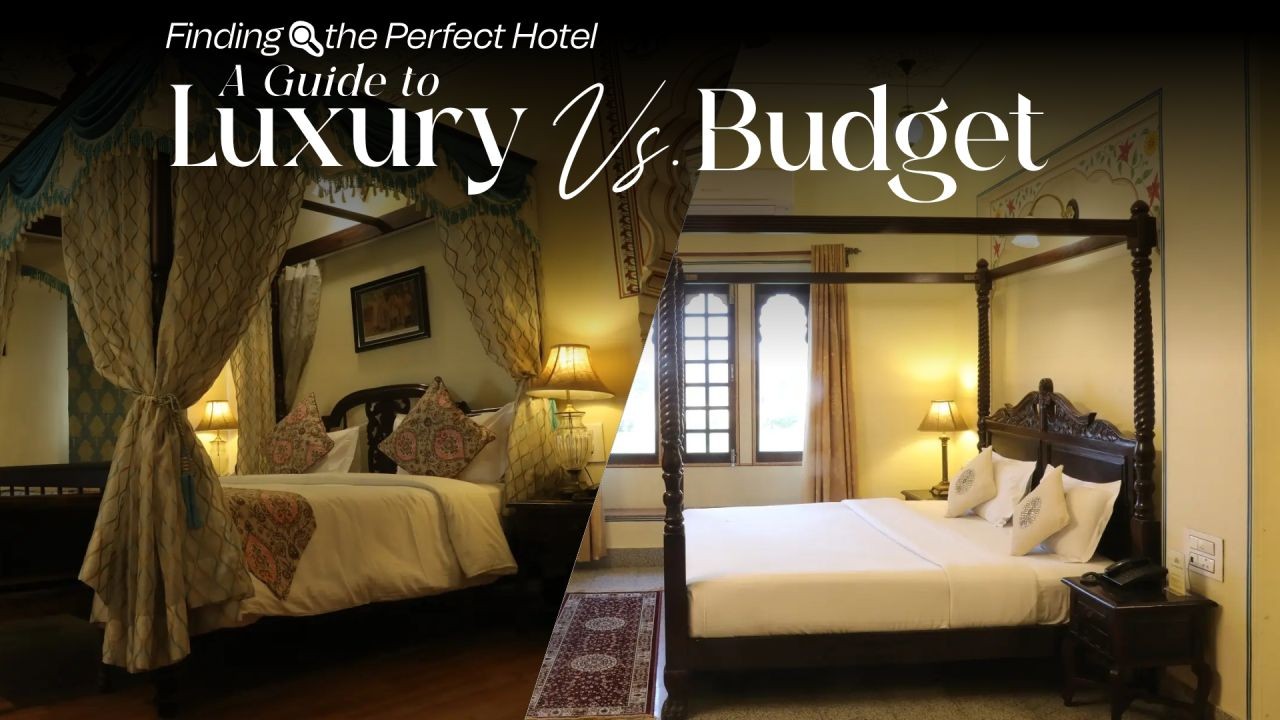
Comparing Cost-Effective and High-End Furniture Through Video in NZ

Explore cost-effective vs. high-end furniture in NZ with insightful videos to guide your perfect choice.

Miscellaneous & Other

94.2K Views

151 Share

Advertisement

Advertise With Vidude


In the ever-evolving landscape of consumer preferences, the furniture industry in New Zealand is witnessing a transformative shift. The advent of video marketing has significantly impacted how Kiwis perceive and purchase furniture, creating a dichotomy between cost-effective and high-end options. Understanding these dynamics is crucial for policymakers and industry leaders aiming to optimize strategies in the furniture sector. This article delves into the comparative analysis of cost-effective and high-end furniture through video marketing, focusing on trends, correlations, and actionable insights specifically tailored to New Zealand's unique market environment.

Understanding the New Zealand Market Context

New Zealand's furniture market has been experiencing steady growth, with the industry expected to reach NZ$3.5 billion by 2024, according to Stats NZ. Key drivers include increased urbanization, a rise in disposable incomes, and a growing interest in sustainable and locally sourced products. However, the sector faces challenges such as fluctuating raw material costs and evolving consumer preferences. Video marketing has emerged as a powerful tool in this context, allowing businesses to effectively showcase their products and engage with consumers.

Cost-Effective vs. High-End Furniture: A Video Marketing Perspective

Video marketing offers distinct advantages when comparing cost-effective and high-end furniture. For cost-effective furniture, videos can highlight affordability, versatility, and value for money. In contrast, high-end furniture brands leverage video content to emphasize luxury, craftsmanship, and exclusivity. The strategic use of video can significantly influence consumer perceptions and purchasing decisions.

Case Study: Citta Design – Leveraging Video for Market Expansion

Problem: Citta Design, a leading homeware and furniture brand in New Zealand, faced challenges in expanding its market share amidst increasing competition from international brands.

Action: To address this, Citta Design implemented a comprehensive video marketing strategy. They created engaging video content showcasing their products' unique design and functionality, targeting both local and international audiences.

Result: After six months, Citta Design reported a 35% increase in online sales and a 20% rise in international inquiries.

Takeaway: This case study highlights the potential of video marketing in enhancing brand visibility and driving sales, particularly for companies aiming to expand their reach beyond New Zealand.

Data-Driven Analysis: Impact of Video Marketing on Furniture Sales

Recent research from the Ministry of Business, Innovation and Employment (MBIE) indicates that businesses utilizing video marketing experience an average of 49% faster revenue growth compared to those that do not. In the furniture sector, video content has been shown to increase consumer engagement by 60%, with 74% of viewers reporting a higher likelihood of purchase after watching a product video.

Pros and Cons Evaluation

Pros of Video Marketing for Furniture:

  • Enhanced Engagement: Videos increase consumer interaction and time spent on product pages.
  • Improved Conversion Rates: High-quality videos can boost conversion rates by up to 80%.
  • Brand Differentiation: Unique video content helps brands stand out in a competitive market.
  • Wider Reach: Video content is easily shareable, increasing brand visibility across platforms.

Cons of Video Marketing for Furniture:

  • High Production Costs: Creating professional video content requires significant investment.
  • Technical Challenges: Poor video quality or slow loading times can deter potential customers.
  • Resource Intensive: Continuous content creation and updates are necessary to maintain engagement.

Common Myths and Mistakes

Myth: "Video marketing is only effective for high-end furniture."

Reality: Video marketing is versatile and can enhance the appeal of both cost-effective and high-end products, as demonstrated by the success of budget-friendly brands like Kmart.

Myth: "Videos must be lengthy to be effective."

Reality: Short, engaging videos often perform better, with 68% of consumers preferring content under two minutes.

Future Trends and Predictions

By 2026, video marketing is expected to dominate the digital advertising landscape in New Zealand, with projected growth in interactive and shoppable video formats. As consumer demand for personalized experiences increases, furniture brands that embrace innovative video strategies will likely gain a competitive edge. According to a report by Deloitte, 75% of New Zealand businesses plan to increase their investment in video marketing within the next five years, emphasizing its critical role in future growth strategies.

Conclusion and Final Takeaways

Video marketing offers immense potential for the furniture industry in New Zealand, providing a powerful medium to engage consumers and drive sales. By understanding the unique characteristics of cost-effective and high-end furniture, businesses can tailor their video content to maximize impact. As the market continues to evolve, embracing video marketing will be crucial for brands aiming to secure a competitive advantage in the digital age.

Ready to enhance your furniture marketing strategy? Consider integrating video marketing to boost consumer engagement and drive sales. Share your thoughts and experiences in the comments below!

Related Search Queries

For the full context and strategies on Comparing Cost-Effective and High-End Furniture Through Video in NZ, see our main guide: Advanced Retail Video Marketing Insights Nz.



0
 
0

15 Comments


What if we looked at it this way: instead of solely focusing on the price differences between cost-effective and high-end furniture, we could explore how each type of furniture impacts the overall well-being and lifestyle of individuals and families in New Zealand? For instance, while high-end furniture may offer superior quality and longevity, cost-effective options can provide accessible solutions for those on a tight budget, allowing them to create comfortable living spaces without financial strain. By considering factors like sustainability, local craftsmanship, and the emotional value of a well-designed home, we can have a more holistic view of furniture choices that caters to diverse needs and preferences. This approach could lead to more informed discussions about what truly makes a living space feel like home.
0 0 Reply

ilukamedicalcentre

2 months ago
Ah, the eternal struggle between the minimalist lifestyle and that “just one more statement piece” mentality. It’s like deciding between a sturdy café table that can handle my coffee spills or a sleek designer chair that simply *looks* good for the ‘gram. At the end of the day, I guess it all depends on whether you want to impress your guests or just have a spot that doesn’t wobble while you’re working remotely. Cheers to finding that perfect balance!
0 0 Reply

Light In Fitness

2 months ago
You know, I find it fascinating how the furniture market in New Zealand has such a wide range of options, from cost-effective pieces to high-end designs. It’s interesting to see how video reviews can really highlight the differences in quality and style between the two. I think there’s something appealing about cost-effective furniture, especially for students or young professionals just starting out. It often combines functionality with affordability, which is a huge plus. Plus, some of those pieces can look quite stylish without breaking the bank. On the flip side, high-end furniture is often about craftsmanship and durability. It’s nice to see videos showcasing how these pieces are made and the materials used. You can really appreciate the investment when you understand what goes into them. Ultimately, it seems like the choice comes down to personal preference and lifestyle. Some people might prefer to invest in a few quality pieces, while others are happy to mix and match more affordable options. It’s all about finding what works best for you, I guess.
0 0 Reply
Oh, comparing cost-effective and high-end furniture through video sounds like a fantastic way to spend my precious coffee break—right after I finish assembling that flat-pack wardrobe that has already turned my living room into a modern art installation! Who knew picking a couch would require a PhD in material science and a second mortgage? But hey, if watching a video helps me decide whether to invest in a sofa that costs as much as my first car, I’m all in! Just don’t be surprised if the only thing I end up purchasing is a new set of throw pillows for my current “vintage” (read: slightly stained) couch.
0 0 Reply

GenieEspos

2 months ago
This video beautifully captures the essence of making choices that reflect both style and budget. It's refreshing to see how thoughtful design can elevate spaces without breaking the bank. Your insights resonate deeply, reminding us that every piece of furniture carries a story worth telling. Thank you for sharing!
0 0 Reply

VSH Media

2 months ago
While comparing cost-effective and high-end furniture through video can provide valuable insights, it's important to consider the subjective nature of personal taste and comfort. What looks appealing on screen may not translate to the same satisfaction in a real-life setting, where factors like texture and build quality play crucial roles. Additionally, the context in which furniture is presented—such as staged homes or curated environments—can create an idealized perception that might not reflect the average consumer's experience. It’s worth questioning whether these comparisons account for the nuances of individual lifestyles and needs, which vary widely across different households in New Zealand. Lastly, while video content can be engaging and informative, it may not capture the full spectrum of feedback from actual users over time. Reviews and experiences can greatly influence the durability and practicality of furniture choices, making them essential to consider alongside visual comparisons. Ultimately, a holistic approach that includes in-person experiences and consumer insights might yield a more comprehensive understanding of furniture options.
0 0 Reply

depressionmerch

2 months ago
1. Honestly, I reckon a good video comparison of cost-effective and high-end furniture could really help folks make smarter choices. Sometimes, you just want a good couch without breaking the bank, you know? 2. It’s fascinating how high-end furniture often comes with great design and durability, but that doesn’t mean we can’t find stylish options at a lower price. There’s definitely a sweet spot in the middle if you look hard enough. 3. I’ve seen some pretty impressive budget furniture that holds up just as well as the pricier stuff. It’s all about how you style it and make it work for your space, really. 4. I do think high-end furniture has its perks, like unique designs and better materials, but for many Kiwis, affordable options are just more practical. It’s about what fits your lifestyle, after all. 5. Watching a video that shows how to mix and match would be cool; you can get the best of both worlds without having to spend a fortune. Sometimes a little creativity goes a long way. 6. I appreciate when reviews highlight real-life experiences with furniture. It’s nice to know if something looks good in a showroom but can actually hold up in a busy household. 7. At the end of the day, whether you go for high-end or budget, it’s all about what makes your home feel comfortable and welcoming. That’s what really matters, isn’t it?
0 0 Reply

NikiTomhol

2 months ago
It's fascinating to think about how a simple video could unravel the hidden narratives of furniture—one piece telling a story of frugality while the other boasts luxury. I wonder if the wood grain can actually whisper its own secrets about cost!
0 0 Reply

NathanielW

2 months ago
It’s interesting to see how the video highlights the different values in furniture quality and design. It really makes you think about what matters most in our spaces.
0 0 Reply
While it's fascinating to dissect the differences between cost-effective and high-end furniture, one has to wonder if the true luxury lies in the ability to sit comfortably on a budget-friendly couch while wearing pajamas that match the color scheme. After all, nothing says "high-end living" quite like a well-worn recliner that’s seen more Netflix marathons than actual sunlight. Perhaps the real comparison should be between the furniture that holds up after a few wild parties versus the chic pieces that serve as a backdrop for Instagram photos. In the end, whether it’s a sleek designer chair or a thrifted gem, as long as it supports our collective dream of lounging in style, we’re all winners in the great furniture showdown!
0 0 Reply

Lemieuxi53

2 months ago
I recently watched a video comparing cost-effective and high-end furniture in New Zealand, and it reminded me of my own experience with furniture shopping. A few years ago, I decided to furnish my living room on a budget, thinking I could save some money. I ended up buying a less expensive couch, and while it looked great initially, it quickly started to sag and show wear and tear. On the other hand, my friend splurged on a high-end sofa, and it has held up beautifully over the years. Not only does it still look fantastic, but it's also incredibly comfortable. While I thought I was being smart by saving money, I ended up spending more in the long run when I had to replace my budget couch. It's funny how sometimes the cost-effective options can end up costing us more in the end. So, while I appreciate the idea of comparing these two types of furniture, my personal experience has definitely swayed me to consider quality over price in the future. Thank you for sharing this video, it's a great reminder for us all!
0 0 Reply

link costume

2 months ago
In "Comparing Cost-Effective and High-End Furniture Through Video in NZ," the video presents a compelling argument that high-end furniture provides superior durability and longevity compared to its cost-effective counterparts. However, it may be worth noting that some studies suggest that certain budget-friendly brands are now offering impressive warranties and customer satisfaction ratings, which could indicate that not all affordable options are lacking in quality. This subtle shift in the market could provide consumers with more viable choices than previously thought. Ultimately, it raises an interesting question about whether the perceived value of high-end furniture truly justifies the price tag, especially when quality in the budget sector is on the rise.
0 0 Reply
While the video presents a compelling case for the cost-effectiveness of lower-priced furniture options in New Zealand, it might be worth considering the long-term environmental impact of these choices. Often, lower-cost furniture is made from less durable materials, leading to a shorter lifespan and ultimately resulting in more waste and resource consumption. In contrast, investing in high-end furniture, although initially more expensive, can provide longevity and reduce the frequency of replacements, potentially offering a more sustainable solution over time. This perspective invites a deeper reflection on the true cost of furniture throughout its lifecycle, emphasizing the importance of durability and sustainability in our purchasing decisions.
0 0 Reply

ribbon svg

2 months ago
What if we looked at it this way: instead of solely focusing on the price difference between cost-effective and high-end furniture, we could explore how each option contributes to our overall well-being and home environment? By considering factors like durability, design aesthetics, and long-term value, we might find that sometimes investing a little more upfront can lead to greater satisfaction and fewer replacements down the line. This approach could help us make more informed choices that align with our family's lifestyle and needs.
0 0 Reply

Sam Dugdales

2 months ago
While comparing cost-effective and high-end furniture is valuable, it's essential to consider cultural significance and sustainability in our choices. Supporting local artisans and Māori craftsmanship can enrich our homes while honoring our heritage. Thoughtful purchasing goes beyond price; it reflects our values and connections.
0 0 Reply
Show more

Related Articles