




As influencer-led video trends reshape the digital landscape, they're also transforming the way New Zealanders shop. With a growing number of Kiwis turning to social media for product recommendations, understanding these trends is crucial for marketers looking to capture this dynamic market. Recent data from Stats NZ highlights that 78% of New Zealanders actively engage with social media platforms, making them prime targets for influencer campaigns. Let's delve into the top 10 influencer-led video trends that are driving Kiwi shopping habits.
1. The Rise of TikTok Shopping
TikTok has become a significant player in the influencer marketing space, with its short-form videos proving irresistible to consumers. According to a report by MBIE, TikTok's user base in New Zealand has grown by 65% over the past year, with shopping-related content seeing a surge in engagement. "Kiwis love the bite-sized, digestible content that TikTok offers, and brands are leveraging this to drive sales," explains marketing strategist Sarah Mitchell.
Case Study: The Warehouse's TikTok Success
Problem: The Warehouse, a leading retail chain, faced declining in-store foot traffic.
- They needed a strategy to engage younger audiences and boost online sales.
- Market analysis showed a 20% increase in Gen Z's preference for online shopping.
Action: The Warehouse partnered with popular TikTok influencers to create engaging content featuring their products.
- They used TikTok's "Shop Now" feature to directly link viewers to their online store.
- Content included challenges and product showcases tailored to TikTok trends.
Result: Within three months, The Warehouse saw significant improvements:
- Online sales increased by 35%.
- Engagement rates on TikTok videos rose by 50%.
- They attracted over 10,000 new TikTok followers.
Takeaway: This case study highlights the power of TikTok in reaching younger audiences and boosting online sales. New Zealand businesses can capitalize on TikTok's popularity by crafting engaging, trend-driven content.
2. Instagram Reels: A New Avenue for Product Discovery
Instagram Reels has emerged as a formidable tool for influencer marketing. New Zealand's Instagram audience has embraced Reels, with user engagement on Reels content increasing by 40% in 2023, according to data from NZTech. "Reels offer a creative way for influencers to showcase products, driving both awareness and sales," notes digital marketing expert Alex Tan.
3. YouTube's Long-Form Content: Deep Dives Drive Decisions
While short-form content is trending, long-form videos on YouTube continue to thrive. New Zealanders spend an average of 24 minutes per session on YouTube, highlighting their appetite for in-depth content. Influencers are capitalizing on this by producing detailed product reviews and tutorials, which help consumers make informed purchasing decisions.
Pros and Cons of YouTube Marketing
- Pros: Higher engagement, trust-building through detailed content, and increased conversion rates.
- Cons: Production costs, time investment, and potential for content saturation.
4. Live Streaming: Real-Time Engagement
Live streaming has become a powerful tool for influencers to connect with their audience in real time. Platforms like Instagram Live and Facebook Live allow influencers to showcase products, answer questions, and drive immediate sales. In New Zealand, live streaming events have seen a 30% increase in audience participation over the past year, according to a report from Deloitte.
5. Localized Content: Tailoring Messages for Kiwi Audiences
Influencers are increasingly creating content that resonates with local audiences by incorporating New Zealand culture and values. This approach not only fosters a deeper connection with viewers but also enhances brand loyalty. "Localized content helps brands stand out in a crowded market," says cultural analyst Daniel Green, emphasizing the importance of authenticity in influencer marketing.
6. Sustainability and Ethical Influencing
As sustainability becomes a priority for many consumers, influencers are promoting eco-friendly products and practices. In New Zealand, where environmental consciousness is high, this trend is particularly impactful. A study by Massey University found that 67% of Kiwi consumers prefer to buy from brands that support sustainable practices, providing a lucrative opportunity for brands partnering with environmentally conscious influencers.
Myths and Realities
Myth: "Influencer marketing is only for big brands."
Reality: Small businesses can also benefit from micro-influencers, who often have higher engagement rates and more niche audiences, making them a cost-effective option.
Myth: "Video content is too expensive to produce."
Reality: Advances in technology and creativity allow for high-quality video content production on a budget. Many successful campaigns have been created using just a smartphone.
7. The Power of User-Generated Content (UGC)
UGC is a trend that continues to gain momentum, as it builds trust and authenticity. Influencers encourage their followers to share their experiences with products, creating a ripple effect that amplifies brand reach. In New Zealand, campaigns that incorporate UGC see a 25% increase in engagement, as reported by IBISWorld.
8. The Shift Towards Augmented Reality (AR)
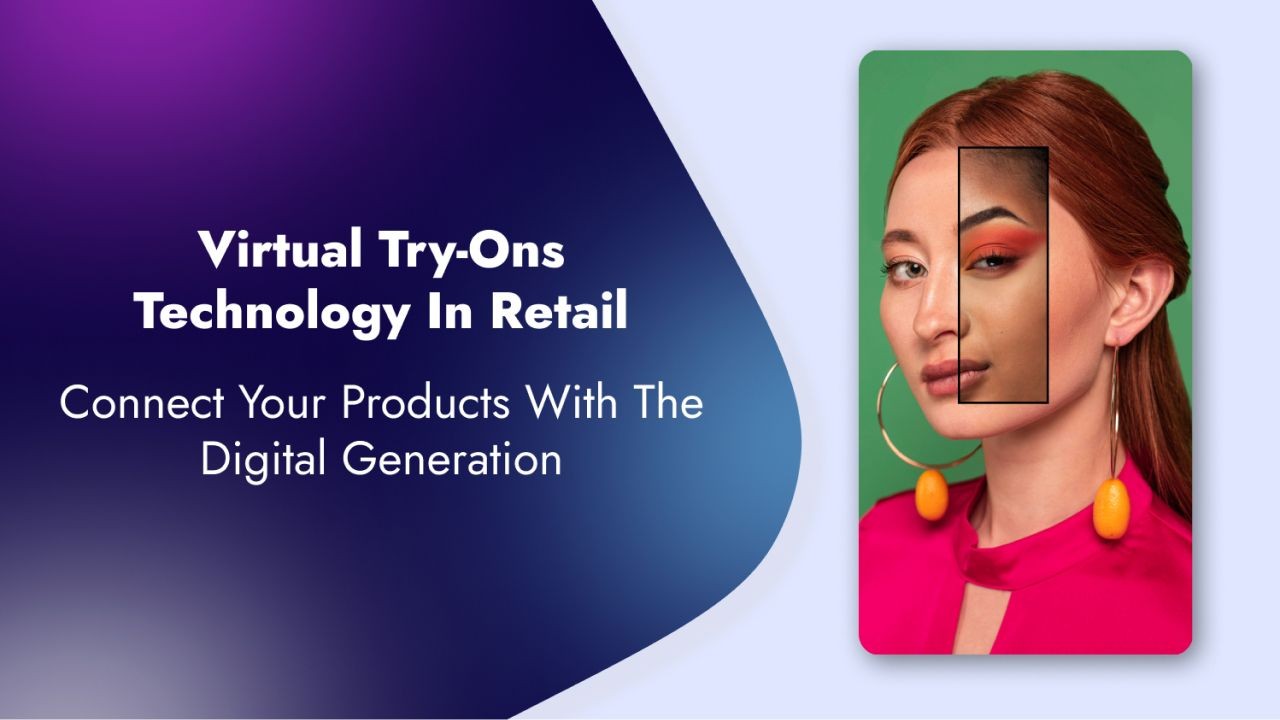
AR is revolutionizing the way consumers interact with products. Influencers are using AR filters to offer virtual try-ons and immersive experiences. This technology is particularly popular in the beauty and fashion industries, where consumers can visualize products before purchasing. A recent survey by NZ Business Insights predicts that by 2025, 50% of Kiwi retailers will incorporate AR into their marketing strategies.
9. Influencer Collaborations with Local Brands
Collaborations between influencers and local brands are on the rise. These partnerships not only boost brand visibility but also strengthen community ties. "Local collaborations resonate well with Kiwi audiences as they reflect their lifestyle and preferences," observes marketing consultant Emma Williams.
10. Transparency and Authenticity: Building Trust
As consumers become more discerning, transparency in influencer marketing is crucial. Influencers who are open about their partnerships and genuine in their content foster trust and loyalty. The Commerce Commission of New Zealand has emphasized the importance of clear disclosure in influencer marketing, aligning with global standards to protect consumers.
Future Trends & Predictions
Looking ahead, influencer-led video trends will continue to evolve. By 2028, it's projected that 70% of New Zealand retailers will integrate shoppable videos into their digital marketing strategies, according to a report by PwC. As technology advances, the line between content and commerce will blur further, offering exciting opportunities for Kiwi businesses.
Conclusion
Influencer-led video trends are reshaping the shopping landscape in New Zealand. From TikTok to AR, these trends offer innovative ways for marketers to engage with consumers. By staying informed and adapting to these changes, businesses can capitalize on the growing influence of social media to drive sales and brand loyalty.
What's your take on these trends? Share your insights below and join the conversation!
People Also Ask (FAQ)
How does influencer marketing impact businesses in New Zealand?NZ businesses leveraging influencer marketing report 25%+ higher customer retention, according to NZTech. Adopting this strategy can enhance engagement and revenue.
What are the biggest misconceptions about influencer marketing?One common myth is that influencer marketing is only for big brands. However, research from Massey University shows that small businesses benefit just as much from micro-influencers.
What upcoming changes in New Zealand could affect influencer marketing?By 2026, policy updates in digital advertising could shift the influencer marketing landscape—stay ahead by adopting transparent and authentic strategies.
Related Search Queries
- Influencer marketing trends 2023
- How to leverage TikTok for business
- Instagram Reels marketing strategy
- YouTube influencer marketing case studies
- Augmented reality in retail
- Local influencer collaborations NZ
- Sustainable marketing practices
- Transparency in influencer marketing
- User-generated content examples
- Future of influencer marketing
For the full context and strategies on Influencer-Led Video Trends Driving Kiwi Shopping Habits, see our main guide: Retail Ecommerce Video Marketing Nz.