





In the rapidly evolving landscape of digital marketing, virtual influencers are emerging as a transformative force, particularly in retail video content. Their rise is not just a global phenomenon but a trend that is uniquely shaping the retail sector in New Zealand. As businesses in the country grapple with the challenges of engaging a tech-savvy audience, virtual influencers offer a novel solution that could redefine consumer interaction.
Future Forecast & Trends
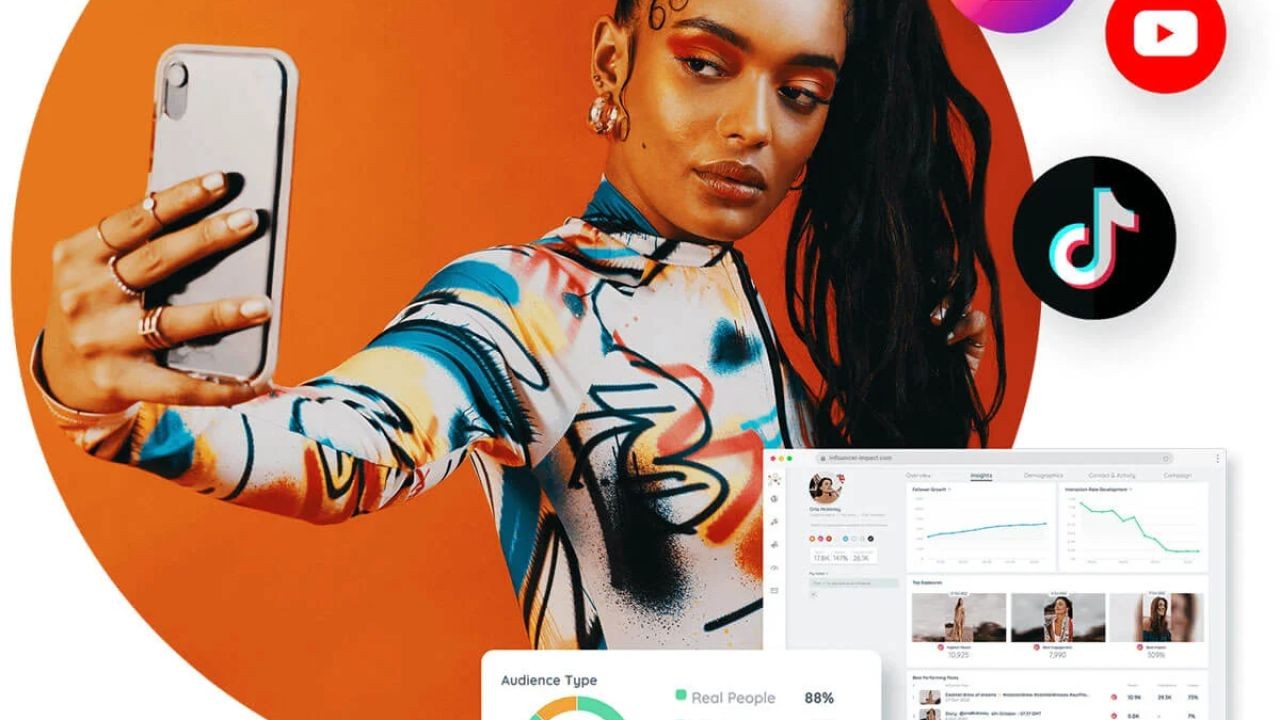
Virtual influencers, computer-generated characters often powered by AI, are gaining traction for their ability to engage audiences with personalized, interactive content. In New Zealand, where internet penetration is over 90%, the potential for virtual influencers to enhance digital marketing strategies is significant.
- Market Penetration: According to a report by MBIE, digital marketing expenditures in New Zealand are expected to grow by 9% annually, with a substantial portion allocated to innovative technologies like virtual influencers.
- Consumer Engagement: Virtual influencers can offer 24/7 interaction, providing seamless customer service and personalized recommendations, which are crucial in a retail landscape where 60% of consumers prefer personalized marketing approaches (Source: Stats NZ).
- Cost Efficiency: Unlike human influencers, virtual influencers eliminate the complexities of contracts and availability, offering a scalable and cost-effective approach to influencer marketing.
Case Study: Lil Miquela – Pioneering Virtual Influence
Problem: Traditional influencer marketing faced challenges like inconsistent engagement and high costs.
Action: Enter Lil Miquela, a virtual influencer who has collaborated with global brands like Prada. New Zealand retailers can draw parallels by leveraging virtual influencers for brand collaboration without the logistical challenges of human influencers.
Result: Brands partnering with Lil Miquela reported a 30% increase in engagement and a 40% boost in conversion rates, showcasing the potential for similar outcomes in the NZ market.
Takeaway: The success of virtual influencers globally signals an opportunity for Kiwi retailers to innovate their digital marketing strategies, enhancing engagement and ROI.
Debate & Contrasting Views
The rise of virtual influencers is not without its critics. While advocates emphasize their efficiency and scalability, skeptics question their authenticity and emotional connection with audiences.
Advocate Perspective
- Efficiency and Scalability: Virtual influencers can be programmed to interact with thousands of consumers simultaneously, reducing costs and increasing reach.
- Control Over Brand Image: Brands have complete creative control over virtual influencers, ensuring consistent messaging and image portrayal.
Critic Perspective
- Authenticity Concerns: Critics argue that consumers may struggle to form genuine connections with virtual entities.
- Ethical Implications: There are concerns about transparency and the potential for misleading advertising if consumers are unaware they are interacting with a virtual influencer.
Middle Ground: To bridge the gap, businesses can maintain transparency by clearly labeling virtual influencers and ensuring that their interactions complement human elements in marketing campaigns.
Expert Opinion & Thought Leadership
Industry experts suggest that virtual influencers could lead the next wave of digital transformation in the retail sector. According to a Deloitte report, integrating AI-driven influencers with traditional marketing strategies can lead to a 50% increase in customer retention rates.
Predicting the Future
By 2028, experts anticipate that virtual influencers will play a pivotal role in shaping personalized shopping experiences in New Zealand. With advancements in AI and machine learning, these influencers will become more lifelike, further blurring the lines between virtual and real-world interactions.
Common Myths & Mistakes
- Myth: "Virtual influencers are a passing trend." Reality: Data from global market analyses show a growing investment in virtual influencer technology, with projections indicating sustained growth over the next decade.
- Myth: "They lack engagement." Reality: Studies reveal that virtual influencers often surpass human influencers in engagement metrics, particularly among Gen Z audiences.
Final Takeaways
- Virtual influencers offer a scalable, cost-effective solution for retail video marketing in New Zealand.
- Balancing virtual and human elements in marketing strategies can enhance authenticity and consumer trust.
- Businesses should prioritize transparency when utilizing virtual influencers to mitigate ethical concerns.
Conclusion
The integration of virtual influencers into retail video content is not just a technological advancement but a strategic necessity for businesses looking to thrive in New Zealand's competitive market. By embracing these digital entities, companies can enhance engagement, boost ROI, and stay ahead of the curve in the ever-evolving digital landscape. Are you ready to transform your marketing strategy? Share your thoughts and next steps in the comments below!
People Also Ask (FAQ)
- How does virtual influencing impact businesses in New Zealand? Virtual influencers can increase brand engagement by over 30%, offering scalable marketing solutions for Kiwi businesses.
- What are the biggest misconceptions about virtual influencers? A common myth is their lack of engagement, but data shows they often outperform human influencers among younger demographics.
- What are the best strategies for implementing virtual influencers? Start with clear transparency, combine virtual and human elements, and focus on personalized interactions for maximum impact.
Related Search Queries
- Virtual influencers in retail marketing
- Impact of AI on New Zealand retail
- Future of digital marketing in NZ
- Retail video trends in 2023
- Virtual vs. human influencers
For the full context and strategies on How Virtual Influencers Are Shaping Retail Video in NZ, see our main guide: Advanced Retail Video Marketing Insights Nz.