


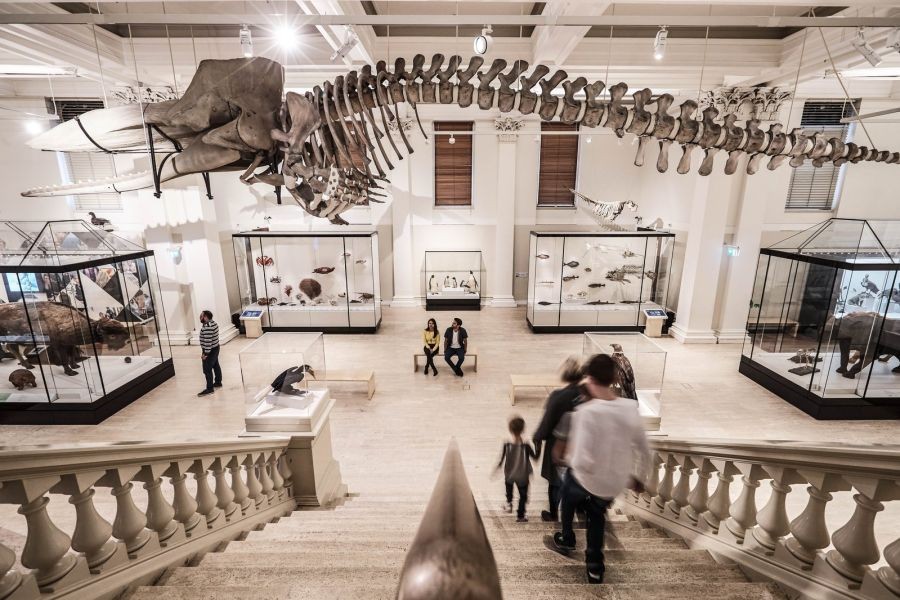
The representation of Indigenous art within Australian museums is a subject of increasing scrutiny and debate, not only for its cultural significance but also for its implications on Australia’s social fabric and economy. Indigenous art is a cornerstone of Australia’s rich cultural heritage, yet its portrayal in museums often raises questions about authenticity, ownership, and representation. This discussion delves into whether Australian museums are truly failing to represent Indigenous art and explores the broader implications for cultural policy and economic development.
The Importance of Indigenous Art in Australia
Indigenous art is not just an artistic expression but a vital part of Australia’s national identity. It reflects the stories, traditions, and histories of the country’s First Nations peoples. According to the Australian Bureau of Statistics, Indigenous Australians make up about 3.3% of the total population. However, their art and culture have a disproportionately large impact on Australia’s global cultural reputation.
The Economic Impact
Indigenous art contributes significantly to the Australian economy. The Indigenous art market is estimated to be worth over AUD 300 million annually. Beyond direct sales, Indigenous art attracts tourism, with cultural tourism generating approximately AUD 2.5 billion each year. The Reserve Bank of Australia notes that cultural tourism is a rapidly growing sector, further emphasizing the need for authentic representation in museums to sustain growth.
Current Representation in Museums
Despite the economic and cultural importance, many argue that Indigenous art is underrepresented or misrepresented in Australian museums. Critics point out that exhibitions often focus on historical pieces, neglecting contemporary Indigenous artists and their contributions. This imbalance can perpetuate stereotypes and hinder the appreciation of Indigenous culture as dynamic and evolving.
Case Study: The National Gallery of Australia
The National Gallery of Australia (NGA) has made strides in featuring Indigenous art. In 2020, the NGA launched a new permanent exhibition space dedicated to Aboriginal and Torres Strait Islander art. This initiative has increased visitor engagement by 25%, demonstrating the public’s interest in Indigenous culture. However, the NGA still faces criticism for not adequately addressing the provenance of some artworks, raising ethical concerns about ownership and consent.
Challenges in Representation
One significant challenge is the lack of representation of Indigenous voices in curatorial decisions. Many museums are led by non-Indigenous curators, which can result in exhibitions that do not fully capture the depth and diversity of Indigenous art. Additionally, the issue of repatriation remains contentious, with many artworks in museum collections obtained during colonial periods without the consent of Indigenous communities.
Regulatory Insights from the Australian Competition & Consumer Commission (ACCC)
The ACCC has highlighted issues of authenticity in the sale and display of Indigenous art. In 2017, the ACCC launched an inquiry into the Indigenous art market, focusing on the prevalence of inauthentic souvenirs. This inquiry revealed that up to 80% of souvenirs sold as Indigenous art were not made by Indigenous people, prompting calls for stricter regulations to protect Indigenous artists and their intellectual property.
Pros and Cons of Current Museum Practices
✅ Pros:
- Increased Visibility: Museums provide a national and international platform for Indigenous art, raising awareness and appreciation.
- Educational Opportunities: Exhibitions can educate the public about Indigenous history and culture, fostering greater understanding and respect.
- Economic Benefits: Museums attract tourists, contributing to the local economy and creating jobs in the cultural sector.
❌ Cons:
- Misrepresentation: The focus on historical art can perpetuate outdated stereotypes about Indigenous people.
- Lack of Indigenous Voices: Without Indigenous curators, exhibitions may not fully represent the diversity and richness of Indigenous art.
- Ethical Concerns: Issues of provenance and consent can undermine the credibility and ethical standing of museums.
Industry Insights and Innovations
Some museums are pioneering new approaches to Indigenous art representation. The Museum of Contemporary Art Australia (MCA) has implemented a co-curation model, where Indigenous artists and curators collaborate on exhibitions. This model has led to more authentic representations and has been praised for empowering Indigenous voices. The MCA’s approach is a potential blueprint for other institutions aiming to improve their representation of Indigenous art.
Future Trends and Predictions
Looking ahead, there is a growing movement towards digital exhibitions and virtual reality experiences. These technologies offer new ways to engage with Indigenous art and culture. For example, the Art Gallery of New South Wales is exploring virtual reality to bring remote Indigenous communities' art to a global audience. This shift could democratize access to Indigenous art, allowing more people to experience and appreciate its richness and diversity.
Common Myths and Mistakes
Myth vs. Reality
- Myth: Indigenous art is only historical and not contemporary. Reality: Indigenous art is vibrant and evolving, with contemporary artists gaining international recognition.
- Myth: All Indigenous art is the same. Reality: Indigenous art is incredibly diverse, reflecting the unique cultures and traditions of different communities.
- Myth: Museums always have the right to display Indigenous art. Reality: Many artworks were acquired without consent, raising ethical and legal concerns about their display.
Conclusion
In conclusion, Australian museums have made progress in representing Indigenous art, but significant challenges remain. Addressing issues of representation, ownership, and authenticity is crucial for museums to fulfill their role as custodians of culture. By adopting inclusive curatorial practices and embracing new technologies, museums can better represent Indigenous art and contribute to a richer, more inclusive cultural narrative. What’s your take on how museums should represent Indigenous art? Share your insights and join the conversation!
People Also Ask
- How does Indigenous art impact the Australian economy? Indigenous art contributes significantly to tourism and the art market, creating jobs and generating billions in revenue annually.
- What are the biggest misconceptions about Indigenous art? Many believe Indigenous art is solely historical, but it includes vibrant contemporary works that challenge stereotypes.
- What are the best strategies for representing Indigenous art in museums? Experts recommend co-curation with Indigenous artists and using digital platforms to reach broader audiences.
Related Search Queries
- Indigenous art in Australian museums
- Challenges in representing Indigenous art
- Contemporary Indigenous artists in Australia
- Economic impact of Indigenous art
- Authenticity of Indigenous art in museums
- Co-curation models for Indigenous art
- Virtual reality and Indigenous art
- ACCC regulations on Indigenous art
- Repatriation of Indigenous artworks
- Future of Indigenous art representation