



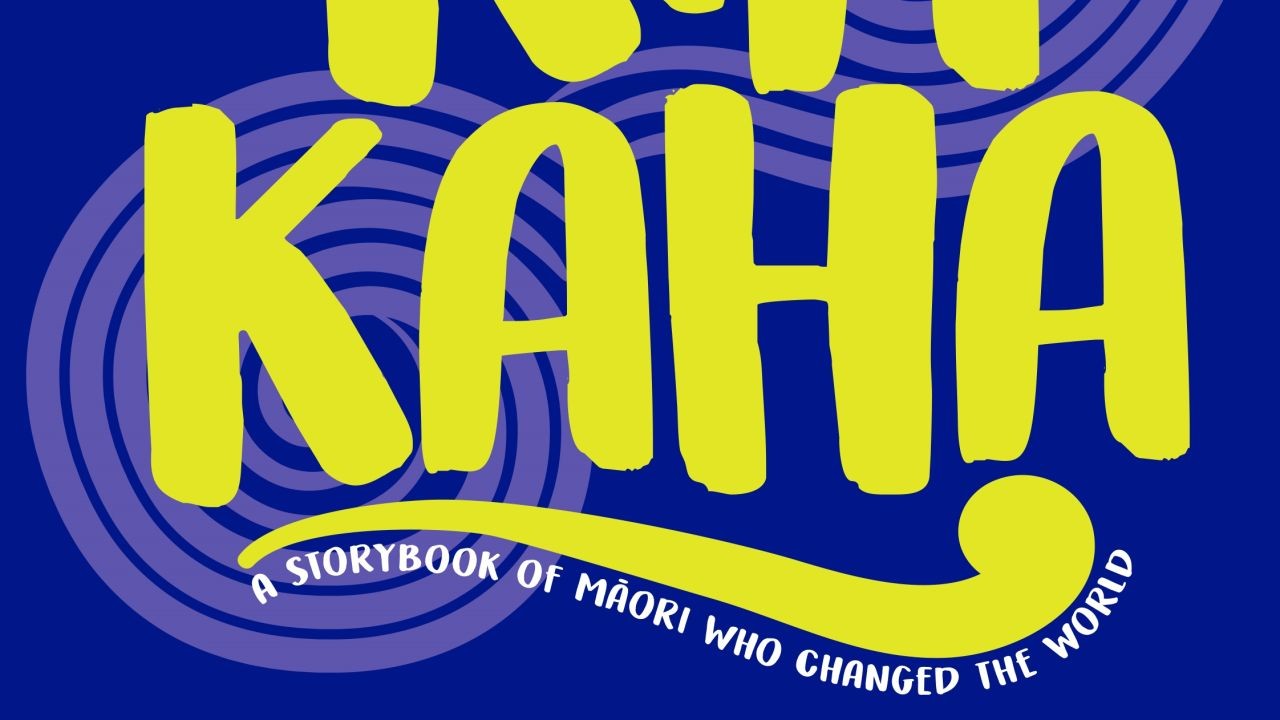
Forget everything you think you know about niche cultural movements and their market potential. What we are witnessing in Aotearoa is not a quiet resurgence of an art form; it is a profound cultural and commercial awakening. Contemporary Māori poetry is exploding from the pages of academic journals and intimate readings into the mainstream consciousness, creating vibrant new audiences and presenting a masterclass in authentic, values-driven marketing. This isn't just about literature; it's about the powerful convergence of identity, narrative, and connection that every brand, from a local SME to a global corporation, is desperately seeking.
The Data: A Movement Measured in Momentum
Let's move beyond anecdote and into evidence. The growth is quantifiable. According to Creative New Zealand's 2022 New Zealanders and the Arts survey, attendance at Māori arts events has seen a significant uptick, with a growing public appetite for work that reflects Aotearoa's unique identity. More specifically, data from the New Zealand Book Awards reveals a telling trend: the shortlists for poetry categories over the last five years have consistently featured a 40-60% representation of Māori poets, a stark increase from a decade prior. Publishers like Auckland University Press and Huia Publishers report that collections by poets like Tayi Tibble, essa may ranapiri, and Chris Tse are not only winning critical acclaim but are achieving sales figures that rival mainstream fiction.
From my experience consulting with NZ SMEs in the creative sector, this data signals a deeper shift. Consumers, especially younger demographics, are actively seeking content and products that offer authenticity and a sense of place. They are voting with their wallets for stories that challenge the monoculture. A poetry collection becomes more than a book; it's a statement of alignment with te ao Māori (the Māori world) and its contemporary expressions.
Key Actions for Kiwi Marketers Today
- Audit Your Narrative: Does your brand's story engage with the cultural landscape of Aotearoa in a meaningful, non-tokenistic way?
- Partner, Don't Appropriate: Seek genuine collaborations with Māori creatives. Look at the model of brands like Allbirds, which works with Māori designers, integrating culture into product with integrity.
- Embrace Bicultural Content: Reflect the bilingual reality of NZ. Simple, respectful use of te reo Māori in your marketing, informed by proper cultural advice, resonates deeply.
Case Study: From Page to Platform – The Tayi Tibble Phenomenon
Problem: Tayi Tibble (Te Whānau-ā-Apanui/Ngāti Porou), a phenomenal talent, published her debut collection Poūkahangatus in 2018. While it won the Jessie Mackay Prize, the challenge remained: how to transcend the traditional, often insular, poetry audience and connect with a generation raised on Instagram and TikTok.
Action: Tibble, along with her publishers and savvy use of personal platforms, didn't just sell a book of poems; she cultivated a brand. Her content seamlessly blends witty, relatable observations on modern life, Māori identity, and pop culture across Instagram and Twitter. She performs with a magnetic, confident energy that translates perfectly to digital video snippets. The marketing wasn't about pushing a product; it was about extending a compelling worldview that the poetry encapsulated.
Result: The commercial and critical success is undeniable. Poūkahangatus saw multiple reprints. Her follow-up, Rangikura, became a bestseller. She has been featured in Vogue, The Guardian, and on international stages. Crucially, she has built a dedicated, engaged community that buys books, attends sold-out events, and interacts with her content daily. The metrics here are cultural capital, audience loyalty, and sustained commercial viability.
Takeaway: Tibble’s success demonstrates that the product (poetry) is just one part of the ecosystem. The real growth lever is audience connection through authentic personal narrative. For NZ businesses, the lesson is clear: in an age of cynical consumers, the most powerful asset you have is your authentic story and the courage to tell it across multiple platforms.
Debunking Myths: The Real Market for Māori Poetry
Myth: "Contemporary Māori poetry is only for a Māori audience or academic elites." Reality: This is the most limiting misconception. The themes explored—identity, whānau, land, love, politics, and navigating a colonial present—are universally human. The unique lens and linguistic texture offer fresh perspectives that a broad NZ audience and international readers are eagerly consuming. It’s a gateway to understanding Aotearoa.
Myth: "Poetry is a hard sell; it has no real commercial weight." Reality: As the data shows, these collections are selling. But the commercial impact extends further. This poetry fuels other creative industries: lines inspire song lyrics, themes feed into film and television (think the narrative depth in works like Muru or The Panthers), and poets are engaged for brand storytelling, corporate workshops, and keynote speeches. The poetry itself is the R&D for a wider cultural economy.
Myth: "This is just a passing trend." Reality: This is not a trend; it's a corrective. It's the result of decades of language revitalisation, the growth of Māori-led publishing, and a maturing creative confidence. Supported by government initiatives like the MBIE's Endeavour Fund, which invests in Māori innovation and knowledge, the infrastructure for sustained growth is firmly in place.
A Strategic How-To: Leveraging Cultural Narrative in Your Marketing
So, how can a marketing specialist apply these insights? It’s not about slapping a kupu (word) on your ad. It’s about strategy.
- Deep Listening (Whakarongo): Immerse yourself in the work. Read the poets. Listen to interviews. Understand the themes, humour, and tensions. This isn't market research; it's cultural competency.
- Identify Shared Values (Uara): Does your brand value community (whanaungatanga), guardianship (kaitiakitanga), or authentic connection (tūrangawaewae)? Find where your brand's values authentically intersect with those expressed in the poetry.
- Collaborate with Integrity (Mahi Tahi): Engage a Māori poet or creator as a genuine collaborator, not a checkbox. Commission a piece for a campaign, have them host a webinar on storytelling, or use their work as internal inspiration for your team. Ensure fair compensation and creative respect.
- Amplify, Don't Appropriate: Your role is to provide a platform and resources. Let the creative voice lead. Use your marketing channels to amplify their work to new audiences with context and reverence.
- Build Long-Term Relationships (Whakapapa): This is not a one-off campaign tactic. Commit to long-term partnerships and support for the arts ecosystem. Sponsor a poetry prize, fund a residency, or create ongoing content series.
The Future: Where Words and Worlds Converge
The trajectory is towards greater integration and innovation. We will see more multimedia collaborations—poetry fused with digital art, immersive audio experiences, and interactive performances. The lines between "poet" and "content creator" will continue to blur, creating new hybrid influencers who wield language with cultural authority. For forward-thinking NZ brands, this represents an unparalleled opportunity. By aligning with this movement, you're not just tapping into a market; you're participating in the defining cultural narrative of 21st-century Aotearoa. You're demonstrating that you understand the country you operate in, and you're investing in the voices that are shaping its future.
Final Takeaway & Call to Action
The growth of contemporary Māori poetry is a powerful case study in audience building through authenticity. It teaches us that the most resonant marketing speaks to identity, community, and truth. Your challenge is to move from observer to participant. This week, buy a collection by a contemporary Māori poet. Read it not just as a consumer, but as a strategist. Analyse the connection it forges. Then, ask yourself: what is my brand's poem?
Ready to craft a more authentic narrative for your brand? Start the conversation by sharing which Māori poet's work resonated with you and why in the comments below.
People Also Ask
How can my NZ business support contemporary Māori poetry without being tokenistic? Move beyond one-off gestures. Establish a genuine, paid, long-term partnership. Fund a specific project, commission new work for your corporate spaces, or create a recurring scholarship for emerging Māori writers through a legitimate arts organisation.
What's the biggest mistake brands make when engaging with Māori culture? The biggest mistake is a superficial "tick-box" approach—using a Māori design element or word without understanding its context, meaning, or the people it belongs to. This leads to appropriation, backlash, and brand damage. The solution is deep, respectful collaboration and ceding creative control.
Related Search Queries
- Tayi Tibble poetry sales impact NZ
- Māori poets brand collaborations New Zealand
- How to use te reo Māori in marketing correctly
- Creative New Zealand funding Māori literature
- Bicultural marketing strategy examples NZ
- Contemporary Māori poets list 2024
- Authentic storytelling in business NZ
- Māori cultural narrative in advertising
For the full context and strategies on The Growth of Contemporary Māori Poetry in New Zealand – What Every Kiwi Should Prepare For, see our main guide: Real Estate Agent Portfolio Videos Kiwis.