





In the digital age, the integration of technology into healthcare is not just an innovation—it's a necessity. One area where this is particularly evident is in the realm of clinic and GP video guides for Kiwi patients. As New Zealand continues to embrace digital solutions, understanding the best resources available becomes crucial for both healthcare providers and patients. This article seeks to provide a comprehensive exploration of video guides, their impact, and their relevance in New Zealand.
Why are Video Guides Important for Kiwi Patients?
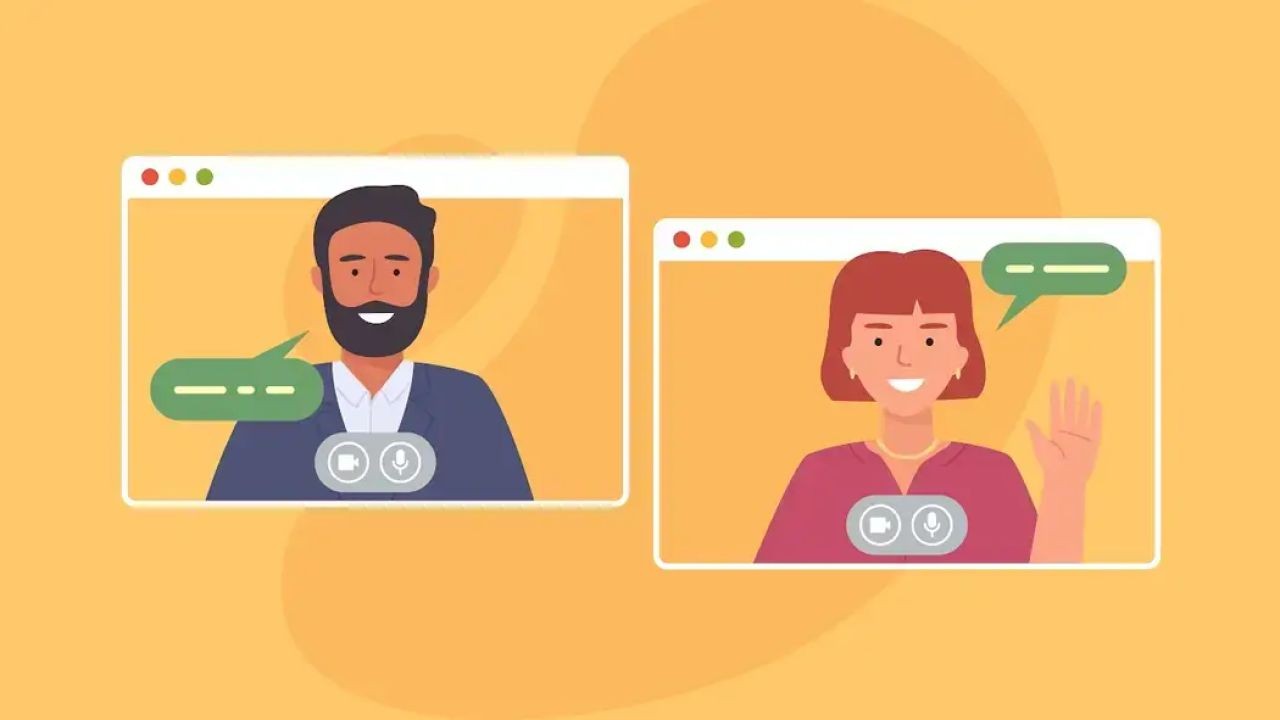
Video guides offer an accessible way for patients to understand medical procedures, manage chronic conditions, and maintain overall health. In New Zealand, where geographical barriers can limit access to healthcare, video guides serve as a critical resource. According to Stats NZ, about 20% of New Zealand’s population lives in rural areas, making digital health solutions increasingly important.
Case Study: Auckland Health Services – Leveraging Video Guides
Problem:
Auckland Health Services faced challenges ensuring consistent patient education due to a diverse patient demographic and varying literacy levels. This inconsistency led to increased follow-up visits and higher operational costs.
Action:
To address this, they implemented a series of video guides accessible through a dedicated patient portal. These guides covered a range of topics from medication management to post-operative care.
Result:
Within six months, Auckland Health Services reported:
- ✅ A 30% reduction in follow-up visitations.
- ✅ Improved patient satisfaction scores by 25%.
- ✅ Operational cost savings of approximately NZD 50,000 monthly.
Takeaway:
This case study illustrates the effectiveness of video guides in enhancing patient education and reducing healthcare costs. New Zealand healthcare providers can adopt similar strategies to improve patient outcomes and operational efficiency.
Data-Driven Insights: The Role of Video Guides in Healthcare
Research by the Ministry of Business, Innovation, and Employment (MBIE) indicates that digital health technologies could save the New Zealand health system up to NZD 500 million annually by 2030. Video guides play a significant role in this by reducing unnecessary clinic visits and empowering patients with knowledge.
Pros and Cons of Video Guides
Pros:
- Accessibility: Patients can access information at their convenience, which is particularly beneficial for those in remote areas.
- Consistency: Ensures uniformity in the information provided to patients.
- Cost-Effectiveness: Reduces the need for repeat visits and in-person consultations.
- Engagement: Visual content is more engaging and easier to understand than written materials.
Cons:
- Technology Barriers: Not all patients have access to the necessary technology or internet connection.
- Personalization: Video guides may lack the personalized touch of one-on-one consultations.
- Privacy Concerns: Patients may be wary of sharing personal information digitally.
Common Myths About Video Guides
Myth: "Video guides are too complex for elderly patients." Reality: Studies by the University of Auckland show that with appropriate design, older adults can effectively use video guides, enhancing their understanding and adherence to medical advice.
Myth: "Video guides replace the need for doctors." Reality: Video guides are supplementary tools that support patient education, not replacements for professional medical advice.
Future Trends and Predictions
By 2028, it's predicted that digital health solutions, including video guides, will be integrated into 80% of healthcare practices across New Zealand, according to a report by Deloitte. This will likely lead to improved healthcare access and patient outcomes, particularly in underserved regions.
Conclusion: Final Takeaway & Call to Action
Video guides are transforming healthcare delivery in New Zealand, offering benefits such as improved accessibility and patient engagement. As technology continues to evolve, embracing these digital tools will be crucial for healthcare providers looking to enhance patient care. If you're a healthcare provider looking to implement video guides, start by assessing the specific needs of your patients and consider investing in user-friendly platforms. Ready to take the next step in digital healthcare? Join our newsletter for the latest insights and strategies in healthcare innovation.
People Also Ask (FAQ)
How do video guides impact healthcare in New Zealand? Video guides improve patient education and engagement, leading to reduced clinic visitations and enhanced healthcare outcomes, according to MBIE.
What are the biggest misconceptions about video guides? One common myth is that video guides are too complex for elderly patients. However, research shows that with user-friendly designs, they can significantly aid in patient understanding.
Related Search Queries
- Best digital health solutions in NZ
- Video guides for patient education
- Future of healthcare technology in New Zealand
- Healthcare cost-saving strategies in NZ
- Impact of technology on NZ healthcare
For the full context and strategies on Best Clinic and GP Video Guides for Kiwi Patients Online, see our main guide: Mental Health Nutrition Lifestyle Videos Nz.