





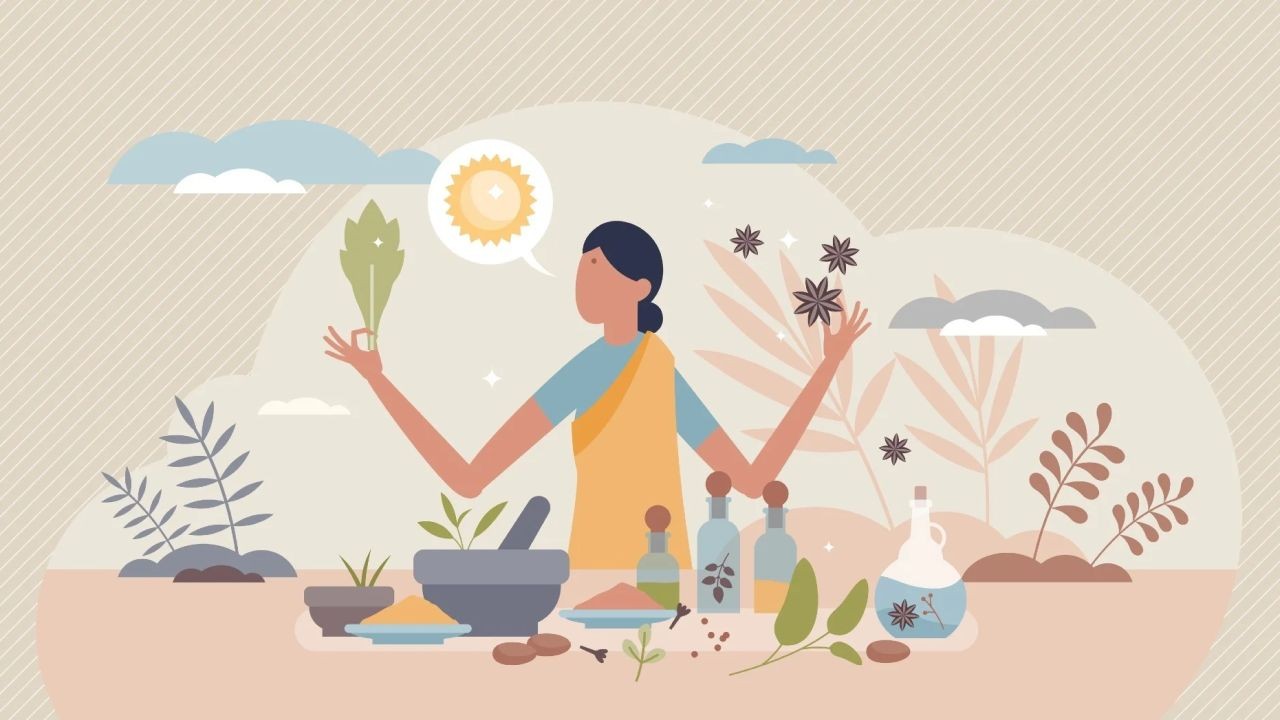
In a world where technology intertwines with daily life, holistic wellness video content is emerging as a vital tool for Kiwis striving to balance their lives amid burgeoning stress and fast-paced living. As New Zealanders increasingly seek harmony between work, health, and personal growth, digital content that promotes holistic wellness is becoming indispensable.
Understanding the Kiwi Context
New Zealand is renowned for its commitment to well-being and sustainability. Initiatives such as the Wellbeing Budget highlight a national focus on enhancing the quality of life. According to Stats NZ, mental health issues are a significant concern, with 1 in 5 Kiwis experiencing mental distress annually. This backdrop creates fertile ground for holistic wellness practices that integrate mental, physical, and emotional health.
Pros & Cons of Holistic Wellness Video Content
Pros
- Accessibility: Video content is easily accessible to everyone with internet access, broadening the reach of wellness practices.
- Engagement: Video content is inherently engaging, making wellness information more digestible and relatable.
- Cost-effective: Unlike traditional wellness programs, video content can be a more affordable option, especially for those in remote areas.
- Personalization: Videos can be tailored to address specific wellness needs, promoting a personalized approach to health.
Cons
- Screen time: Increased reliance on video content may contribute to excessive screen time, which can be detrimental to well-being.
- Information overload: The sheer volume of content available can be overwhelming, making it difficult to discern quality information.
- Privacy concerns: Some wellness apps and video platforms may collect personal data, raising privacy issues.
- Quality control: Not all video content is created equal, and some may lack credible sources or expertise.
Case Study: The Rise of Yoga with Adriene in New Zealand
One of the most notable examples of holistic wellness video content impacting New Zealanders is the popularity of "Yoga with Adriene." This YouTube channel, which offers free yoga classes, has garnered a substantial following in New Zealand.
Problem:
Many Kiwis faced challenges accessing affordable and convenient wellness resources, particularly during the COVID-19 lockdowns.
Action:
Adriene Mishler’s approachable and accessible yoga classes provided a solution, offering Kiwis an opportunity to practice yoga from home. Her videos cater to various levels of expertise and focus on mindfulness and mental health.
Result:
- Increased accessibility to yoga practices during lockdowns.
- Enhanced mental well-being for participants, with reported reductions in stress and anxiety.
Takeaway:
This case highlights the potential of online wellness content to fill gaps in accessibility and affordability, offering a practical alternative to in-person classes.
Data-Driven Insights
According to the Reserve Bank of New Zealand, the country’s digital economy is projected to grow by 40% by 2025. This growth will likely spur an increase in digital wellness platforms, making it easier for Kiwis to access holistic health resources online. Additionally, a survey by MBIE indicates that 65% of New Zealanders are turning to online resources for health and wellness information, underscoring the importance of credible, accessible content.
Myths & Mistakes in Holistic Wellness Video Content
Despite its benefits, misconceptions about wellness video content persist. Here are some myths and the realities:
- Myth: "All wellness videos are created by experts."
- Reality: Many videos are user-generated without professional oversight, so it's crucial to verify the credentials of content creators.
- Myth: "Video content can replace all traditional wellness practices."
- Reality: While videos are a valuable supplement, they should not replace professional medical advice or treatments.
- Myth: "More content equals better health outcomes."
- Reality: Quality, not quantity, of content is key. Overconsumption of video content can lead to burnout and stress.
Future Trends & Predictions
The future of holistic wellness video content looks promising in New Zealand. As digital infrastructure improves and more New Zealanders embrace online platforms, the integration of AI and personalized wellness experiences is expected to grow. According to Deloitte’s 2025 digital trends report, AI-driven wellness apps will offer tailored recommendations, fostering a more personalized wellness journey for users.
Conclusion
Holistic wellness video content holds tremendous potential for helping New Zealanders balance their lives. By understanding its pros and cons, leveraging real-world case studies, and debunking common myths, Kiwis can harness the power of digital content to enhance their well-being. As this trend continues to evolve, staying informed and critically evaluating content will be key to maximizing its benefits.
Are you ready to explore holistic wellness through video content? Share your thoughts or favorite wellness channels in the comments below!
Related Search Queries
- Holistic wellness New Zealand
- Yoga with Adriene New Zealand
- Digital wellness trends NZ
- Online wellness resources NZ
- AI in wellness industry
- Wellbeing Budget New Zealand
- Impact of COVID-19 on mental health NZ
- Stats NZ mental health
- Holistic health practices
- Wellness video content benefits
For the full context and strategies on Holistic Wellness Video Content Helping Kiwis Balance Life, see our main guide: Medical Training Future Health Videos Nz.