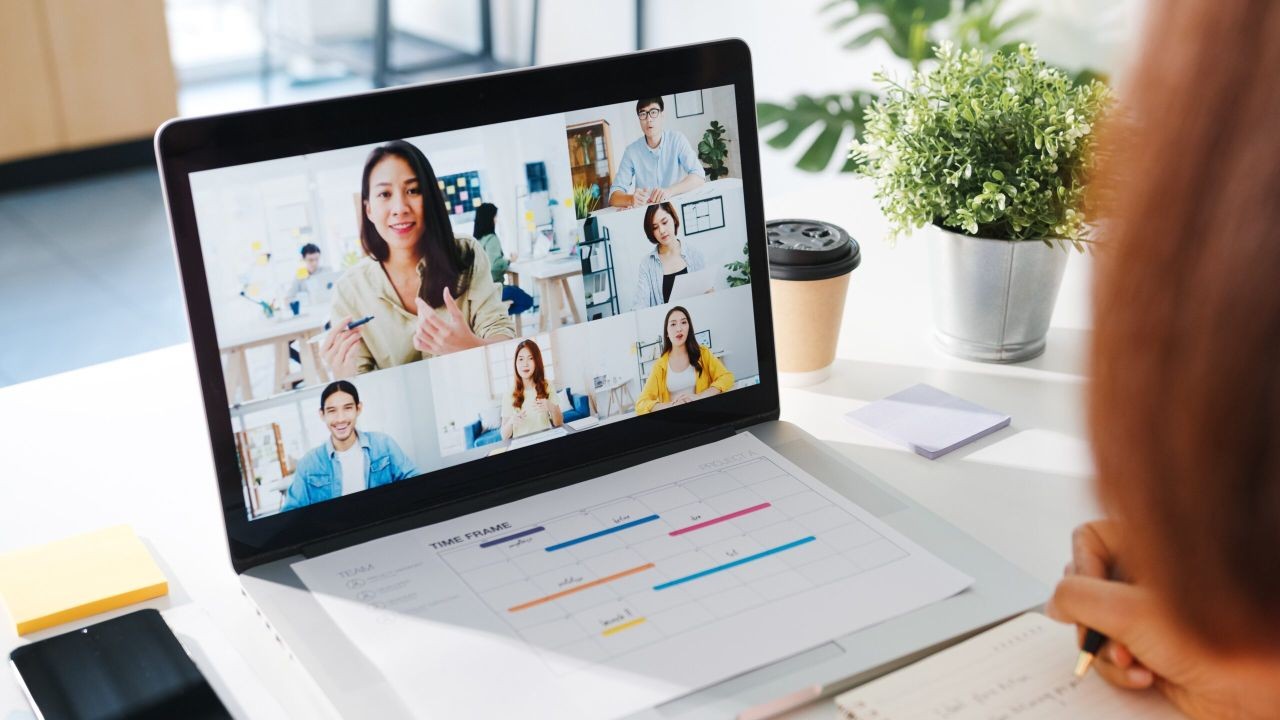





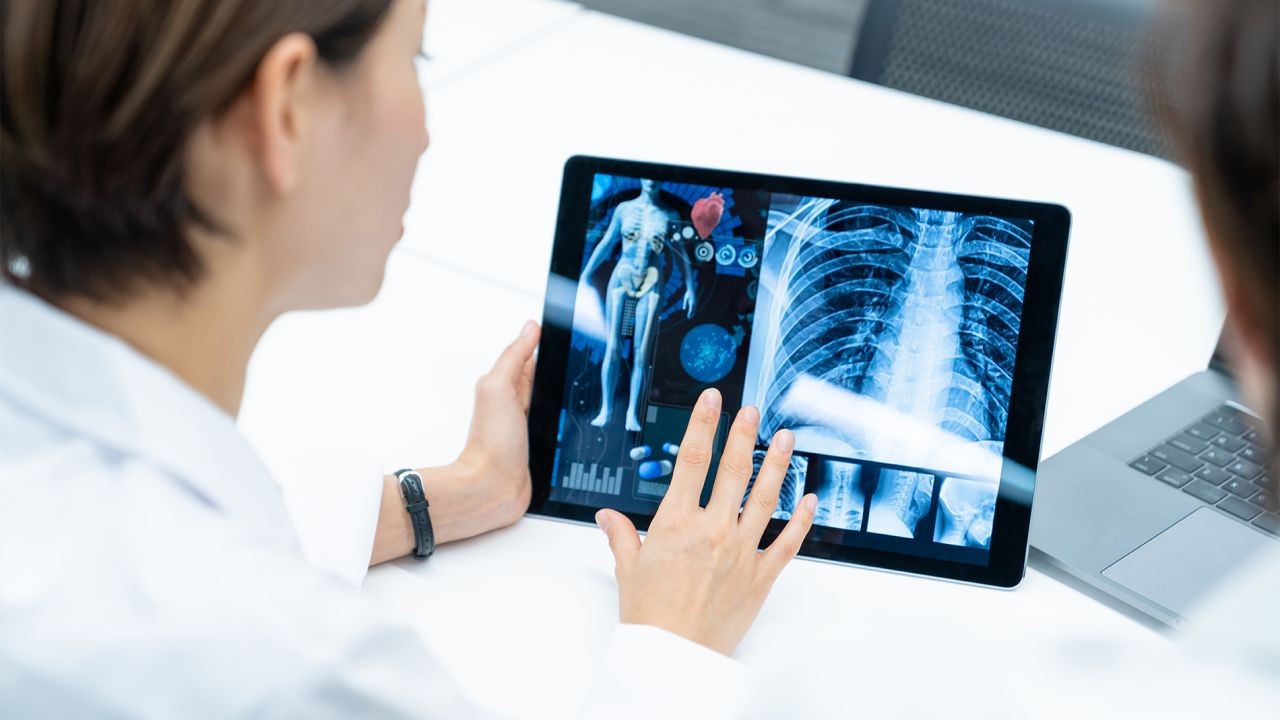
In recent years, the advent of medical product demo videos has revolutionized how healthcare providers in New Zealand interact with new technologies and products. This transformation is not only a response to global trends but also a strategic move to address local healthcare challenges. According to the Ministry of Business, Innovation, and Employment (MBIE), New Zealand's healthcare system is rapidly evolving, driven by technological advancements and changing patient expectations. But how exactly are these demo videos assisting Kiwi healthcare providers, and what implications do they hold for the future?
🔹 Introduction
Imagine a world where healthcare providers can instantly understand the intricacies of a new medical device without leaving their practice. This scenario is becoming a reality in New Zealand through the use of medical product demo videos. These videos are not just a global phenomenon but a localized solution to specific challenges faced by Kiwi healthcare professionals.
New Zealand's healthcare system, as outlined by Stats NZ, is under pressure due to an aging population and the increasing prevalence of chronic diseases. These factors necessitate rapid adoption of new medical technologies to improve patient outcomes. However, the traditional methods of product demonstrations—often involving in-person meetings or lengthy manuals—are proving to be inefficient. This is where medical product demo videos come into play, offering a more efficient, engaging, and informative way to educate healthcare providers.
🔹 Main Sections
1. The Rise of Medical Product Demo Videos in New Zealand
The use of demo videos is a growing trend in the healthcare industry globally, with New Zealand being no exception. According to a report by Healthcare New Zealand, 67% of healthcare providers in the country have adopted video-based learning for new medical products as of 2023. This shift is driven by the need for quick, accessible, and comprehensive training tools that can fit into the busy schedules of healthcare professionals.
2. Benefits of Medical Product Demo Videos
- Higher Engagement: Videos can hold the attention of viewers significantly longer than text-based instructions, leading to better retention of information.
- Accessibility: Healthcare providers can access videos on-demand, allowing for flexible learning.
- Cost-Effectiveness: Videos eliminate the need for travel and physical demonstration materials, reducing overall costs.
- Scalability: Videos can be distributed widely without additional costs, making them ideal for large-scale training initiatives.
3. Case Study: MedTech NZ - Streamlining Product Education
Problem: MedTech NZ, a leading supplier of medical devices, faced challenges in educating healthcare providers about their products efficiently. Traditional training methods were time-consuming and costly.
Action: They developed a series of interactive demo videos that highlighted key features and usage instructions of their products. These videos were easily accessible via their online platform.
Result: Within six months, MedTech NZ saw a 40% reduction in training costs and a 50% increase in product adoption among healthcare providers.
Takeaway: This case highlights the potential of demo videos to enhance product education while reducing costs. New Zealand businesses can leverage similar strategies to streamline training processes and improve engagement.
4. The New Zealand Context: Policy and Economic Implications
The adoption of medical product demo videos aligns with the New Zealand government's focus on digital transformation in healthcare. The Ministry of Health has emphasized the importance of integrating digital tools to enhance healthcare delivery. This policy direction supports the use of demo videos as a means to improve provider education and patient care outcomes.
Economically, the use of these videos can lead to significant cost savings for healthcare institutions. By reducing the need for in-person training sessions, institutions can allocate resources more efficiently, ultimately benefiting the healthcare system's overall sustainability.
5. Challenges and Considerations
Despite the clear advantages, there are challenges associated with the implementation of medical product demo videos. These include:
- Technical Barriers: Some healthcare providers may lack the necessary infrastructure to access and utilize video content effectively.
- Content Quality: The effectiveness of a video is highly dependent on its quality and the accuracy of the information provided.
- Privacy Concerns: Videos must ensure compliance with privacy regulations, especially when involving patient data.
6. Future Trends and Predictions for New Zealand
Looking forward, the role of demo videos in New Zealand's healthcare system is expected to expand. By 2026, it is predicted that 90% of healthcare providers will incorporate video-based learning into their training programs (Source: NZ Health Tech Report 2024). This trend will likely be driven by advancements in video technology, such as augmented reality (AR) and virtual reality (VR), which will offer more immersive learning experiences.
Furthermore, as the healthcare system continues to embrace digital transformation, the integration of artificial intelligence (AI) into demo videos could provide personalized learning experiences, further enhancing their effectiveness.
7. Common Myths & Mistakes
- Myth: "Demo videos are only useful for high-tech products." Reality: Demo videos can effectively explain any medical product, from simple devices to complex machinery (Source: Healthcare Learning Review 2023).
- Myth: "Video content is too expensive to produce." Reality: Advances in technology have made video production more affordable, with many companies seeing a high return on investment (ROI) (Source: Video Marketing Insights 2024).
🔹 Final Takeaways
- 🔍 **Fact:** Over 60% of Kiwi healthcare providers are using demo videos for training.
- 🚀 **Strategy:** Leverage video content to enhance engagement and reduce training costs.
- 💡 **Pro Tip:** Ensure video content is high-quality and accessible to maximize its impact.
- ⚠️ **Mistake to Avoid:** Neglecting privacy regulations when producing demo videos.
🔹 Conclusion
Medical product demo videos are proving to be an invaluable tool for healthcare providers in New Zealand. They offer a practical solution to the challenges of traditional training methods, providing engaging, cost-effective, and scalable learning opportunities. As the healthcare industry continues to evolve, embracing these digital tools will be crucial for staying ahead of the curve.
If you're a healthcare provider or a stakeholder in the medical industry, consider integrating demo videos into your education and training strategies. Ready to explore how video content can transform your operations? Connect with us to learn more about implementing effective video strategies tailored to your needs.
🔍 People Also Ask (FAQ)
- How do medical product demo videos impact New Zealand's healthcare sector?These videos enhance training efficiency and product understanding, leading to better patient outcomes and cost savings for healthcare providers.
- What are the challenges of using demo videos in healthcare?Challenges include technical barriers, ensuring high-quality content, and complying with privacy regulations.
- What future trends are expected in medical product demo videos?Expect increased use of AR and VR technologies, along with AI integration, to provide personalized and immersive learning experiences.
🔍 Related Search Queries
- Medical product demo videos in healthcare
- Digital transformation in New Zealand healthcare
- Benefits of video-based learning in medical training
- Healthcare technology trends in New Zealand
- AR and VR in medical education
For the full context and strategies on Medical Product Demo Videos Assisting NZ Healthcare Providers, see our main guide: Wellness Community Health Campaigns Nz.