



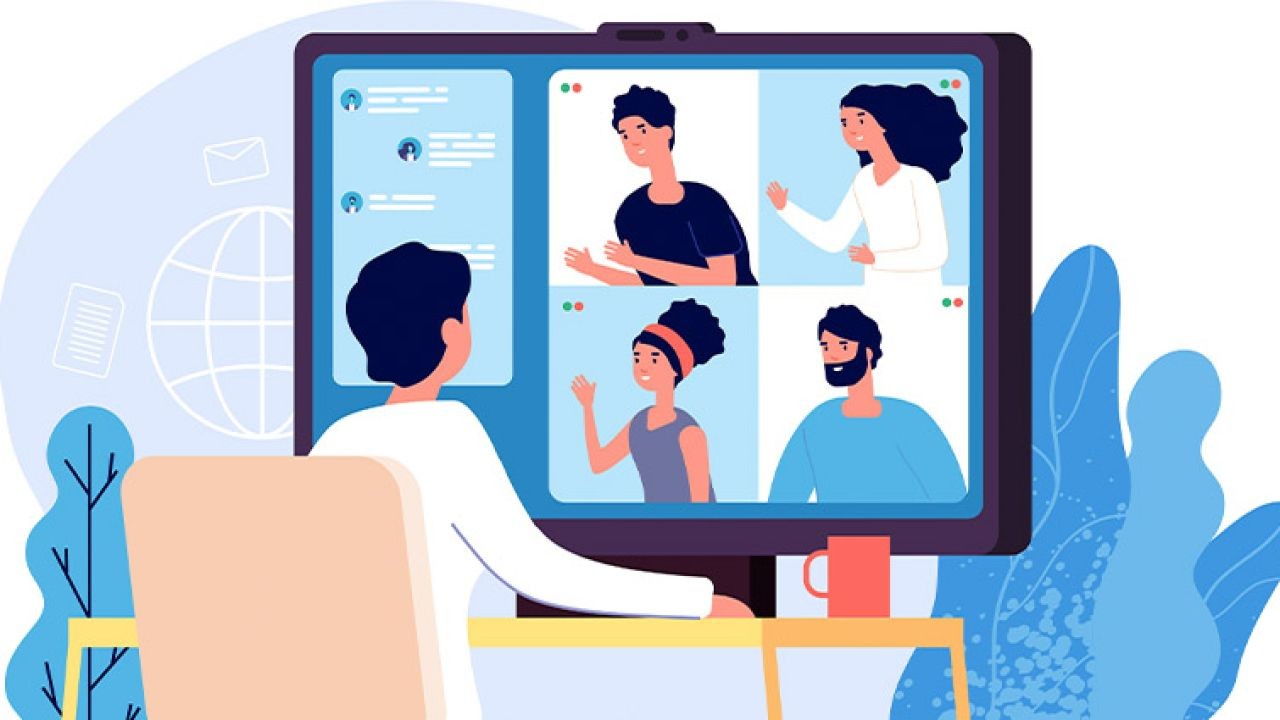
In the rapidly evolving landscape of global healthcare, video communication has emerged as a pivotal tool, especially in the context of New Zealand’s healthcare system. As hospitals across the nation seek to enhance patient care and streamline operations, understanding the future trends in hospital video communication is crucial. This article delves into the emerging trends, supported by data and expert insights, to offer a comprehensive analysis tailored to policy analysts and decision-makers.
Introduction to the Importance of Video Communication in Healthcare
Did you know that over 70% of New Zealand hospitals have integrated some form of video communication into their operations? With the ongoing pressures of an aging population and the necessity for remote healthcare services, video communication is proving to be an indispensable asset. According to a report by Stats NZ, the healthcare sector is projected to grow by 3.5% annually, driven by technological advancements and increased demand for digital healthcare solutions.
Video communication in hospitals is not just about convenience; it's a catalyst for improved healthcare delivery and patient outcomes. This article will explore how video communication is transforming New Zealand's healthcare landscape, the challenges it faces, and the opportunities it presents.
Current State of Video Communication in New Zealand Hospitals
New Zealand's healthcare facilities have been gradually adopting video communication technologies over the past decade. According to the Ministry of Health, approximately 65% of healthcare providers in New Zealand utilized telehealth services during the COVID-19 pandemic, demonstrating a significant shift towards digital health solutions.
The benefits have been substantial. Hospitals report a 30% reduction in in-person visits, leading to lower operational costs and increased patient satisfaction. Additionally, video consultations have enabled doctors to reach patients in remote areas, increasing access to healthcare services.
Case Study: Auckland District Health Board
Problem: The Auckland District Health Board (ADHB) faced challenges in providing timely care to patients in rural areas, resulting in delayed treatments.
Action: ADHB implemented a comprehensive video communication platform, allowing doctors to conduct remote consultations and collaborate with specialists across the country.
Result: Within six months, ADHB reduced patient wait times by 25% and increased patient satisfaction by 40%. The initiative also led to a 15% reduction in hospital admissions.
Takeaway: This case study highlights the potential of video communication to enhance healthcare delivery, particularly in remote areas. New Zealand hospitals can leverage similar strategies to improve access and reduce operational burdens.
Emerging Trends in Hospital Video Communication
The future of hospital video communication in New Zealand is promising, with several emerging trends poised to reshape the industry:
- AI-Driven Video Analytics: Artificial Intelligence is being integrated into video communication systems to analyze patient interactions, providing insights into patient behavior and treatment outcomes.
- Integration with Electronic Health Records (EHR): Video platforms are increasingly being integrated with EHR systems to streamline documentation and improve data accessibility.
- Enhanced Security Measures: With rising concerns over data privacy, hospitals are adopting advanced encryption and authentication protocols to protect patient information during video consultations.
- Virtual Reality (VR) and Augmented Reality (AR): These technologies are being explored for training purposes and complex surgical procedures, offering immersive experiences and improving precision.
According to a report by the Reserve Bank of New Zealand, investments in healthcare technology, including video communication, are expected to grow by 6% annually, highlighting the sector's commitment to innovation and digital transformation.
Pros and Cons of Video Communication in Healthcare
Pros:
- Increased Accessibility: Video communication bridges the gap between patients and healthcare providers, especially in rural areas.
- Cost Efficiency: Reduces the need for physical infrastructure and cuts down operational costs.
- Improved Patient Outcomes: Facilitates timely interventions and continuous monitoring of patients.
- Enhanced Collaboration: Enables real-time collaboration between specialists, improving decision-making processes.
Cons:
- Technical Challenges: Dependence on stable internet connectivity and compatible devices.
- Data Security Concerns: Potential risks associated with data breaches and unauthorized access.
- Regulatory Compliance: Navigating the complex landscape of healthcare regulations and patient privacy laws.
- Resistance to Change: Hesitation among healthcare professionals to adopt new technologies due to lack of training or familiarity.
Myths and Misconceptions About Video Communication in Healthcare
Despite the proven benefits, several myths persist about video communication in healthcare:
Myth: "Video consultations are less effective than in-person visits."
Reality: Studies indicate that video consultations can be just as effective as in-person visits for many conditions, providing timely care and reducing wait times.
Myth: "Data privacy cannot be ensured in video communication."
Reality: With advanced encryption and compliance with healthcare regulations, data privacy can be effectively maintained.
Myth: "Video communication is too expensive for widespread adoption."
Reality: The initial investment is offset by long-term savings in operational costs and improved efficiency.
Future Trends and Predictions
The future of hospital video communication in New Zealand is bright, with several exciting developments on the horizon:
- Telehealth Expansion: By 2028, telehealth is expected to become the primary mode of consultation for non-emergency cases, according to a report by MBIE.
- Integration with Wearable Devices: Wearables will provide real-time health data, enhancing remote monitoring and personalized care.
- AI-Powered Diagnostics: AI will play a crucial role in diagnosing conditions during video consultations, improving accuracy and speed.
These trends highlight the potential for video communication to revolutionize healthcare delivery, making it more efficient and patient-centric.
Conclusion
As New Zealand's healthcare system continues to evolve, hospital video communication emerges as a vital component in addressing current challenges and future demands. By embracing these technologies, hospitals can enhance accessibility, reduce costs, and improve patient outcomes. The future of healthcare in New Zealand is digital, and video communication is at the heart of this transformation.
What’s your take on the future of video communication in healthcare? Share your insights below!
People Also Ask (FAQ)
How does video communication impact healthcare in New Zealand?
Video communication enhances accessibility, reduces costs, and improves patient outcomes. Over 70% of NZ hospitals use video consultations, leading to increased efficiency and patient satisfaction.
What are the biggest misconceptions about video communication in healthcare?
A common myth is that video consultations are less effective than in-person visits. However, research shows they provide timely care and reduce wait times.
What are the best strategies for implementing video communication in healthcare?
Experts recommend starting with robust internet infrastructure, integrating with EHR systems, and ensuring data privacy for successful implementation.
Related Search Queries
- Video communication in healthcare
- Future of telehealth in New Zealand
- Benefits of video consultations
- Challenges in implementing healthcare technology
- AI in healthcare video communication
- Telehealth expansion in New Zealand
- Data privacy in telehealth
- Wearable devices in healthcare
- Healthcare technology trends 2025
- Remote monitoring in New Zealand healthcare
For the full context and strategies on Future Trends in Hospital Video Communication in New Zealand, see our main guide: Nz Healthcare Patient Education Videos.