





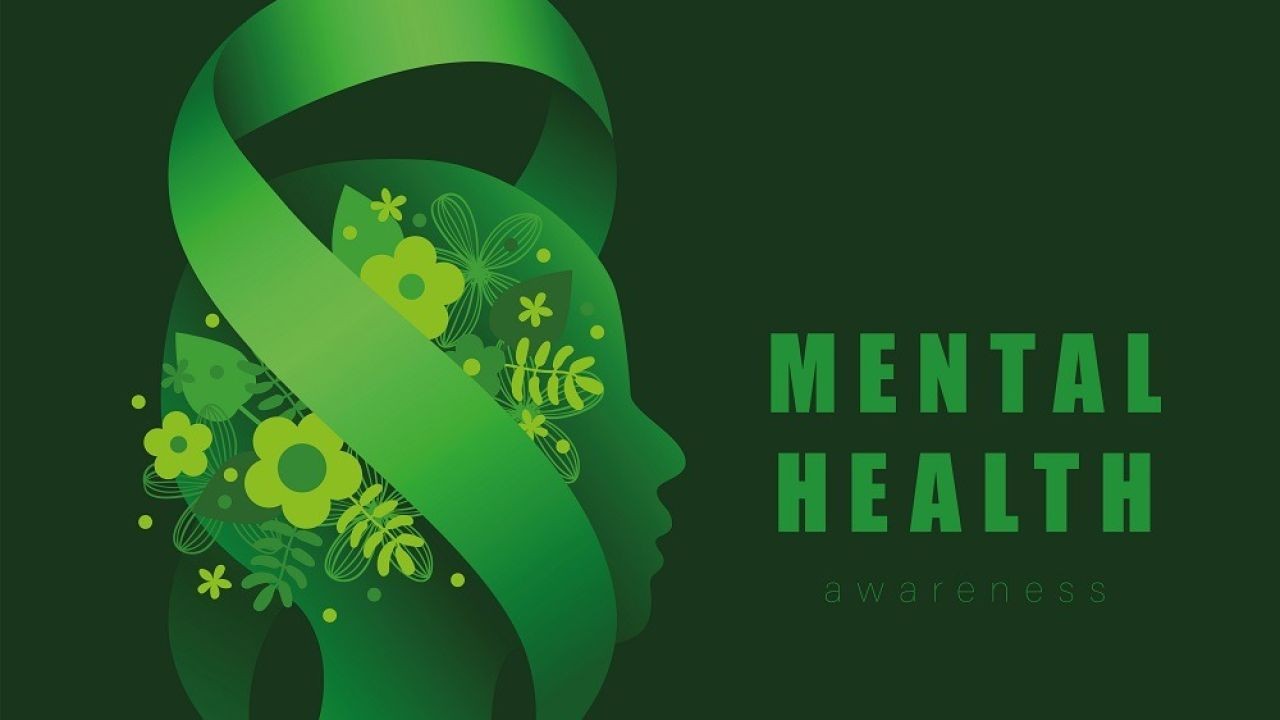
In recent years, mental health awareness has become a critical issue in New Zealand, impacting both individuals and businesses. The rise of mental health challenges among Kiwis has spurred a nationwide movement to promote awareness and support. This article delves into the role of mental health awareness videos in supporting New Zealanders, offering insights into their effectiveness and providing actionable strategies for businesses to leverage these tools.
Current State of Mental Health in New Zealand
New Zealand faces significant mental health challenges, with one in five adults experiencing mental illness each year. According to a report by the Ministry of Health, mental health issues are a leading cause of disability and poor life quality among Kiwis. The economic cost is substantial, impacting productivity and workforce participation.
Key Data Insights
- Economic Impact: Mental health issues cost New Zealand’s economy approximately NZD 12 billion annually (Stats NZ).
- Workplace Absenteeism: Mental health-related absenteeism accounts for a significant portion of lost productivity in businesses.
The Role of Mental Health Awareness Videos
Mental health awareness videos have emerged as a powerful tool to educate and support individuals. These videos offer relatable stories, expert insights, and coping strategies, making mental health resources more accessible.
Case Study: Sparking Awareness through Video Content
Problem: A major New Zealand corporation, facing high levels of employee stress and absenteeism, sought to address mental health concerns within its workforce. The company recognized that its employees were not utilizing existing mental health resources due to stigma and lack of awareness.
Action: The company partnered with a local mental health organization to produce a series of videos. These videos featured real stories from employees and experts discussing mental health challenges and how to seek help. The content was distributed through internal communication channels and social media platforms.
Result: Within six months, the company observed a significant increase in the use of mental health resources:
- Employee engagement with mental health programs increased by 40%.
- Reported stress levels among employees decreased by 25%.
- Overall absenteeism dropped by 15%.
Takeaway: This case study demonstrates the effectiveness of using video content to foster a supportive environment and encourage open discussions about mental health. New Zealand businesses can replicate this strategy to improve workplace well-being and productivity.
Pros and Cons of Mental Health Awareness Videos
Understanding the benefits and limitations of these videos is crucial for businesses considering their implementation.
✅ Pros:
- Accessibility: Videos can reach a wide audience and are easily shareable across platforms.
- Engagement: Visual and storytelling elements make videos more engaging than traditional communication methods.
- Reduction of Stigma: By normalizing conversations around mental health, videos help reduce stigma and encourage individuals to seek help.
❌ Cons:
- Resource Intensive: Producing high-quality video content requires investment in production and distribution.
- Privacy Concerns: Sharing personal stories in videos may raise privacy and confidentiality issues.
- Effectiveness Varies: The impact of videos can vary depending on the audience and the message's resonance.
Debunking Common Myths About Mental Health Awareness Videos
Despite their effectiveness, several misconceptions persist about mental health awareness videos.
🔍 Myth vs. Reality
- Myth: "Videos are only effective for younger audiences." Reality: Video content has been shown to engage diverse age groups effectively, with many older adults finding videos accessible and relatable.
- Myth: "Mental health videos are too simplistic and lack depth." Reality: Well-crafted videos can convey complex topics effectively and provide actionable insights for viewers.
Future Trends and Predictions
As mental health awareness continues to gain traction, several trends are likely to shape the future of mental health support in New Zealand.
- Integration with AI: By 2026, mental health videos are expected to incorporate AI-driven personalization, offering tailored content based on individual needs.
- Increased Corporate Adoption: More businesses will integrate mental health awareness videos into their employee wellness programs, recognizing their impact on productivity and engagement.
Conclusion
Mental health awareness videos have emerged as a crucial tool in supporting Kiwis nationwide. By leveraging video content, businesses can foster a more supportive environment, enhance employee well-being, and ultimately boost productivity. For New Zealand companies, embracing this trend presents an opportunity to address mental health challenges proactively and build a healthier, more resilient workforce.
What’s Next? Companies looking to implement mental health awareness videos should start by collaborating with mental health professionals to create authentic, impactful content. The key is to ensure that these videos are accessible, relatable, and tailored to the unique needs of their audience.
Related Search Queries
- Mental health awareness in New Zealand
- Employee wellness programs NZ
- Mental health video production tips
- Reducing workplace absenteeism NZ
- New Zealand mental health statistics
For the full context and strategies on Mental Health Awareness Videos Supporting Kiwis Nationwide, see our main guide: Wellness Community Health Campaigns Nz.