






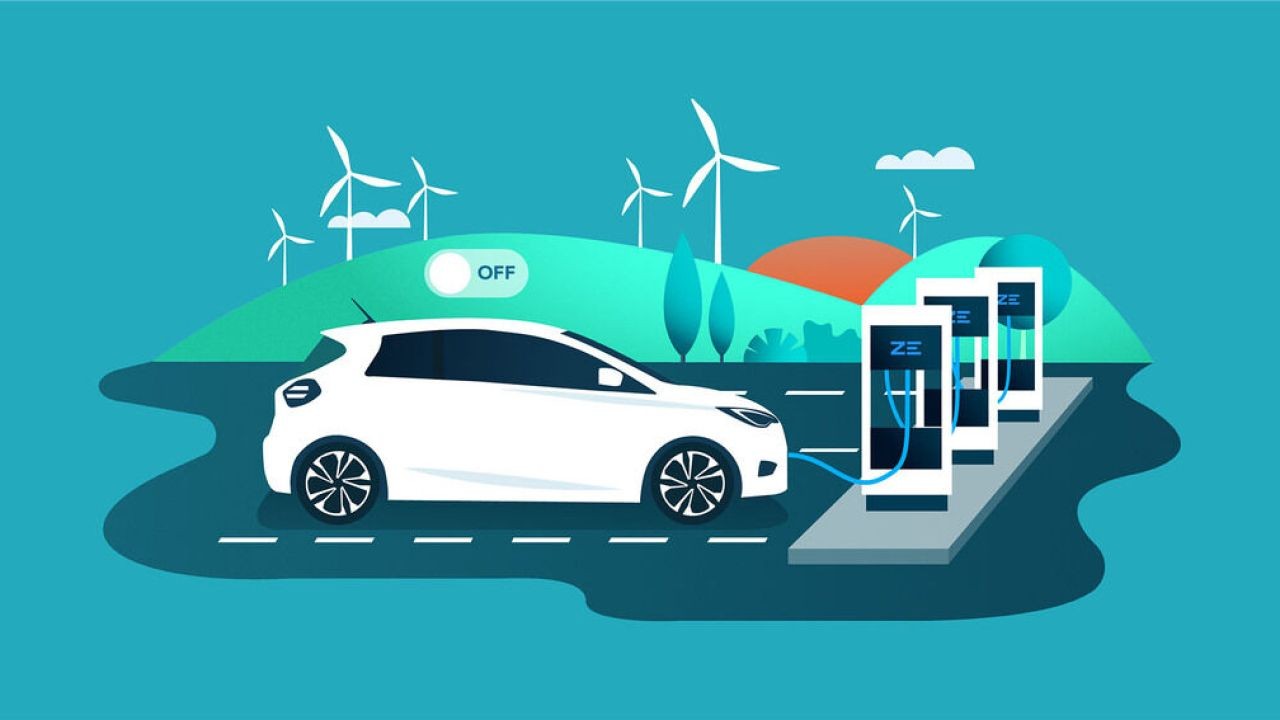
In today's rapidly evolving automotive landscape, the transition to electric vehicles (EVs) is no longer a distant future prospect but an ongoing reality. New Zealand is no exception, as Kiwi drivers are increasingly drawn to the benefits of EVs—both for environmental reasons and cost savings. However, transitioning to electric vehicles safely and efficiently requires a well-informed approach. Let's explore how Kiwi drivers can make this transition smoothly, supported by data-driven insights and expert analysis.
Why Electric Vehicles Matter in New Zealand
The global shift towards electric vehicles is gaining momentum, and New Zealand is embracing this change with open arms. According to the Ministry of Business, Innovation & Employment (MBIE), the number of registered electric vehicles in New Zealand surged by 78% in the last year alone, underscoring a significant trend. This shift is driven by factors such as the government's commitment to reducing carbon emissions and the rising cost of fossil fuels. With New Zealand's abundant renewable energy resources, particularly wind and hydroelectric power, the country is uniquely positioned to support a sustainable electric vehicle ecosystem.
Step-by-Step Guide for Safe Transition
Step 1: Assess Your Driving Needs
The first step for any Kiwi considering an EV is to assess their driving habits and requirements. Evaluate your daily commute, average mileage, and charging options. Understanding your specific needs will help you choose the right type of electric vehicle—be it a fully electric vehicle (BEV) or a plug-in hybrid (PHEV).
Step 2: Research Vehicle Options
Once you have a clear understanding of your driving needs, it's time to explore the available EV options. New Zealand's vehicle market offers a range of EV models from reputable manufacturers like Tesla, Nissan, and Hyundai. Consider factors such as range, charging time, and cost. The Energy Efficiency and Conservation Authority (EECA) provides comprehensive resources to assist potential EV buyers in making informed decisions.
Step 3: Understand the Financial Implications
While the upfront cost of electric vehicles can be higher than traditional petrol vehicles, the long-term savings are significant. According to the New Zealand Transport Agency (NZTA), the total cost of ownership for EVs is lower due to reduced fuel costs and maintenance expenses. Additionally, the government offers incentives such as the Clean Car Discount to reduce the initial purchase price of EVs.
Comparative Analysis: EVs vs. Traditional Vehicles
When comparing electric vehicles to traditional petrol or diesel vehicles, several key differences emerge. Electric vehicles are generally more efficient, converting over 60% of electrical energy from the grid to power the wheels, compared to only 20% for conventional vehicles. This efficiency translates into cost savings and a lower environmental footprint.
Pros of Electric Vehicles:
- Environmental Impact: EVs produce zero tailpipe emissions, contributing to cleaner air and reduced greenhouse gas emissions.
- Cost Savings: Lower fuel and maintenance costs make EVs a financially attractive option over the vehicle's lifespan.
- Incentives: Government incentives and rebates make the transition more affordable.
Cons of Electric Vehicles:
- Initial Cost: Higher purchase prices can be a barrier for some consumers.
- Charging Infrastructure: While improving, charging infrastructure still requires further development to match the convenience of petrol stations.
- Range Anxiety: Concerns about battery life and charging availability can deter potential buyers.
Case Study: New Zealand's EV Success Story
To illustrate the successful transition to electric vehicles in New Zealand, let's examine the case of Mercury, a leading New Zealand electricity retailer and renewable energy generator. Mercury has been instrumental in promoting EV adoption by investing in charging infrastructure and offering financial incentives to customers switching to electric vehicles.
Problem: Mercury recognized the need to encourage EV adoption among its customers to align with New Zealand's carbon reduction goals. They faced challenges in convincing consumers of the benefits and overcoming range anxiety.
Action: The company launched a comprehensive initiative, installing fast-charging stations across strategic locations and providing customers with discounts on EV purchases. They also conducted educational campaigns to inform the public about the advantages of EVs.
Result: Mercury's efforts resulted in a 45% increase in EV adoption among their customer base within two years. The initiative not only supported national sustainability goals but also strengthened Mercury's brand as a leader in renewable energy.
Takeaway: This case study underscores the importance of infrastructure development and consumer education in driving EV adoption. Kiwi businesses can learn from Mercury's approach to overcoming common barriers to EV transition.
Common Myths and Mistakes
As with any emerging technology, electric vehicles are surrounded by myths and misconceptions. Let's debunk a few:
Myth: "Electric vehicles are more expensive to maintain than petrol cars."
Reality: Electric vehicles have fewer moving parts, resulting in lower maintenance costs over the vehicle's lifespan (Source: EECA).
Myth: "EVs have limited range and are not suitable for long-distance travel."
Reality: Modern EVs offer ranges exceeding 400 km on a single charge, sufficient for most travel needs (Source: MBIE).
Myth: "Charging infrastructure is inadequate in New Zealand."
Reality: New Zealand's charging network is rapidly expanding, with over 250 public charging stations nationwide (Source: NZTA).
Future Trends and Predictions
The future of electric vehicles in New Zealand looks promising. By 2025, it's predicted that EVs will make up 50% of all new vehicle sales in the country, driven by continued government support and advancements in battery technology. This shift will not only contribute to New Zealand's carbon neutrality goals but also reshape the automotive industry.
Final Takeaways
- Fact: EV registrations in New Zealand increased by 78% last year, reflecting a growing trend.
- Strategy: To transition smoothly, assess your driving needs, research vehicle options, and understand financial implications.
- Mistake to Avoid: Don't overlook government incentives that can significantly reduce the cost of purchasing an EV.
- Pro Tip: Leverage resources from EECA and NZTA for comprehensive EV guidance.
- Prediction: By 2025, EVs will represent 50% of new vehicle sales in New Zealand.
Conclusion
The transition to electric vehicles is not just an environmental imperative but a smart financial decision for Kiwi drivers. By understanding the benefits, challenges, and available resources, New Zealanders can make informed choices that align with the country's sustainability goals. As the EV landscape continues to evolve, staying informed and proactive will be key. Ready to make the switch? Explore your options and join New Zealand's journey towards a greener future!
People Also Ask (FAQ)
- How does the transition to electric vehicles impact businesses in New Zealand?NZ businesses investing in EV fleets report lower operational costs and improved sustainability, enhancing their brand image and customer loyalty.
- What are the biggest misconceptions about electric vehicles?A common myth is that EVs have limited range, but modern models offer ranges over 400 km per charge, sufficient for most travel needs.
- What are the best strategies for implementing electric vehicles?Start by assessing your driving needs, exploring vehicle options, and leveraging government incentives to reduce costs and ensure a smooth transition.
Related Search Queries
- Electric vehicles in New Zealand 2025
- EV charging infrastructure NZ
- Government incentives for electric cars
- Battery technology advancements 2025
- Electric vehicle cost savings
For the full context and strategies on How Kiwi Drivers Transition to Electric Vehicles Safely, see our main guide: Ev Hybrid Future Automotive Videos Nz.