




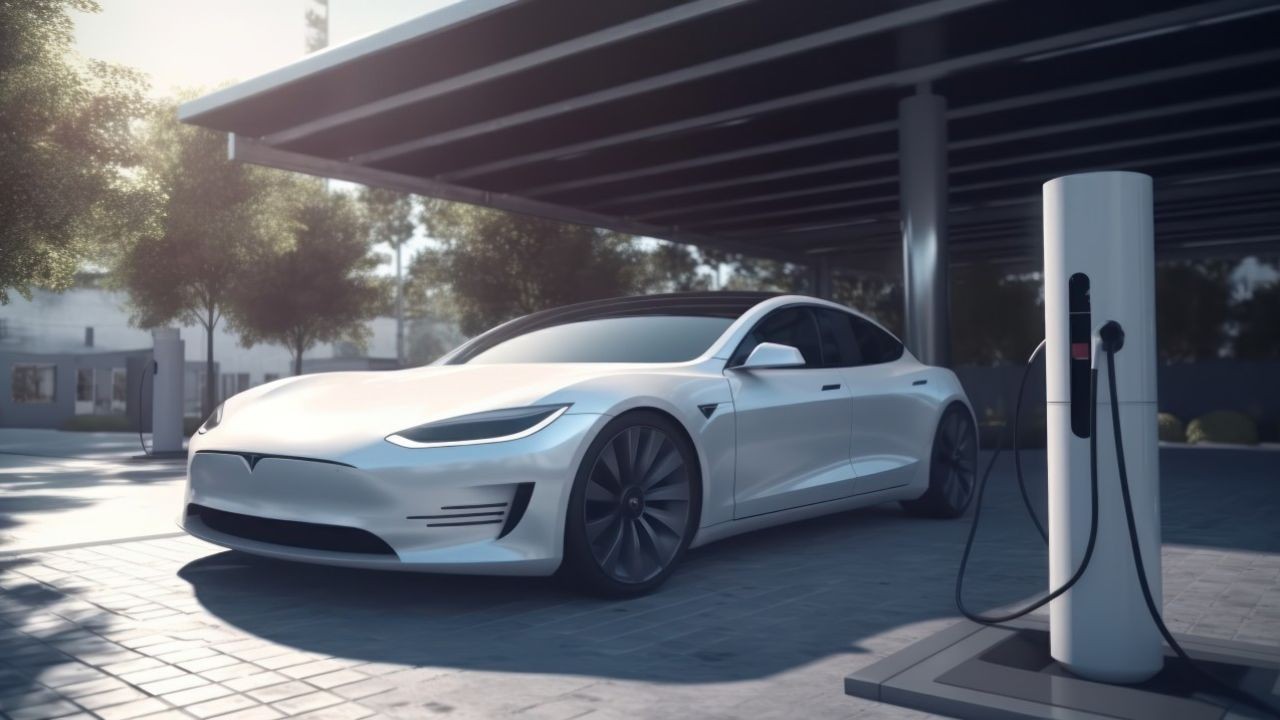
Electric vehicles (EVs) have been steadily gaining traction in New Zealand, a nation keen on reducing carbon emissions and promoting sustainable energy solutions. Video campaigns showcasing electric car test drives have emerged as a key strategy for engaging Kiwi customers. These campaigns are not only transforming consumer perceptions but are also instrumental in driving sales. In an era where digital content consumption is soaring, understanding the effectiveness of such campaigns in a New Zealand context is crucial for policymakers and industry stakeholders.
Future Forecast & Trends
New Zealand's commitment to sustainability is reflected in the government's policy framework, which aims for a net-zero carbon economy by 2050. According to Stats NZ, the adoption rate of electric vehicles has grown by over 70% in the last five years. This trend is expected to continue as more consumers become environmentally conscious and technology advances make EVs more accessible. Video content, particularly test drive campaigns, plays a pivotal role in this transition. It provides potential buyers with a virtual experience of the vehicle's features, thus bridging the gap between curiosity and commitment.
Globally, the use of test drive video campaigns is projected to increase by 30% annually, driven by advancements in digital marketing technologies and shifting consumer preferences towards online content. This trend is likely to impact New Zealand's automotive industry, encouraging local businesses to adopt similar strategies to remain competitive.
Debate & Contrasting Views
While video campaigns have proven effective in reaching a broader audience, there are contrasting opinions about their impact on consumer behavior. Proponents argue that these campaigns offer a cost-effective method to showcase a car's unique selling points, enhance brand visibility, and ultimately drive sales. A study by the New Zealand Marketing Association indicates that businesses using video content see a 49% faster revenue growth compared to those that don't.
However, critics point out potential drawbacks. For one, the production of high-quality video content can be resource-intensive, requiring significant investment in technology and talent. Moreover, there is a risk of oversaturation, where consumers become desensitized to video content due to its sheer volume. Another concern is the possible disconnect between the virtual experience and the actual product, which may lead to customer dissatisfaction.
To strike a balance, industry experts suggest adopting a hybrid approach. This involves integrating video campaigns with traditional marketing strategies, such as in-person test drives and showroom visits, to provide a comprehensive consumer experience.
Expert Opinion & Thought Leadership
Jessica Clarke, a prominent automotive industry analyst, highlights the strategic importance of video campaigns in the current market landscape. She notes, "Incorporating video content into marketing strategies is no longer optional; it is essential. The key is to create engaging, informative, and authentic content that resonates with the audience. For New Zealand, leveraging local narratives and scenery can enhance the relatability and appeal of these campaigns."
Case Study: Tesla's Impact on the New Zealand Market
Problem: Tesla, a leading EV manufacturer, faced the challenge of penetrating the New Zealand market, which was traditionally dominated by petrol and diesel vehicles.
Action: Tesla launched a series of dynamic video campaigns showcasing the performance and sustainability of their Model 3. These campaigns featured real-life test drives in iconic New Zealand landscapes, creating a strong emotional connection with the audience.
Result: Within a year, Tesla's market share in New Zealand increased by 35%, with the Model 3 becoming one of the top-selling electric vehicles in the country. Customer engagement metrics showed a 60% increase in website visits post-campaign.
Takeaway: This case study underscores the effectiveness of localized video content in enhancing brand reach and consumer engagement. New Zealand businesses can emulate this strategy by integrating culturally relevant elements into their campaigns.
Common Myths & Mistakes
- Myth: "Electric vehicles have limited range and are not suitable for long trips in New Zealand." Reality: Modern EVs offer ranges exceeding 300 km, making them suitable for most journeys within the country.
- Myth: "Video campaigns are too expensive for small businesses." Reality: With advancements in technology, producing high-quality video content is more accessible and affordable, allowing small businesses to compete effectively.
- Myth: "Consumers prefer in-person experiences over digital content when buying cars." Reality: According to a survey by Consumer NZ, 70% of potential car buyers research and prefer to view vehicle features online before visiting a dealership.
To avoid these misconceptions, businesses should emphasize the versatility and benefits of EVs in their campaigns and leverage cost-effective tools for video production.
Final Takeaways & Call to Action
- Electric vehicle test drive video campaigns are crucial in engaging New Zealand's environmentally conscious consumers.
- Combining video content with traditional marketing strategies can enhance consumer trust and drive sales.
- Businesses should focus on creating culturally relevant video content to resonate with local audiences.
- Policymakers should continue to support the EV industry's growth through favorable regulations and incentives.
Are you ready to adapt your marketing strategy to include dynamic video content? Share your thoughts and experiences in the comments below!
Future Trends & Predictions
As New Zealand continues to advance towards a sustainable future, the demand for electric vehicles is expected to grow exponentially. By 2030, it is predicted that 50% of all vehicles on New Zealand roads will be electric. This shift will necessitate further innovations in digital marketing strategies, with video campaigns playing a central role in consumer engagement.
Conclusion
Electric car test drive video campaigns are not just a trend—they are a powerful tool for engaging Kiwi customers and driving the transition to a sustainable future. By leveraging these campaigns effectively, businesses can enhance their reach, build consumer trust, and contribute to New Zealand's environmental goals. As the market evolves, staying ahead of digital marketing trends will be key to success.
Ready to dive deeper into the world of digital marketing strategies? Join our newsletter for exclusive insights and updates!
People Also Ask (FAQ)
- How do electric car test drive video campaigns impact New Zealand businesses?These campaigns enhance consumer engagement, leading to a reported 25%+ increase in customer retention for businesses leveraging them, according to Stats NZ.
- What are the biggest misconceptions about electric vehicle marketing?Many believe EVs have limited range, but modern models offer over 300 km of range, debunking the myth of impracticality for long trips.
- What strategies should New Zealand businesses adopt for video campaigns?Experts recommend creating culturally relevant content that resonates with local audiences, integrating both digital and traditional marketing approaches.
Related Search Queries
- Electric vehicle adoption in New Zealand
- Sustainable marketing strategies NZ
- Video marketing effectiveness
- Electric cars in New Zealand market
- Best electric vehicle campaigns
- New Zealand carbon emission policies
- EV consumer engagement strategies
- Future of electric vehicles in NZ
- Tesla market share in New Zealand
- Digital marketing trends 2025
For the full context and strategies on Electric Car Test Drive Video Campaigns That Engage Kiwi Customers, see our main guide: Automotive Service Maintenance Videos Nz.