





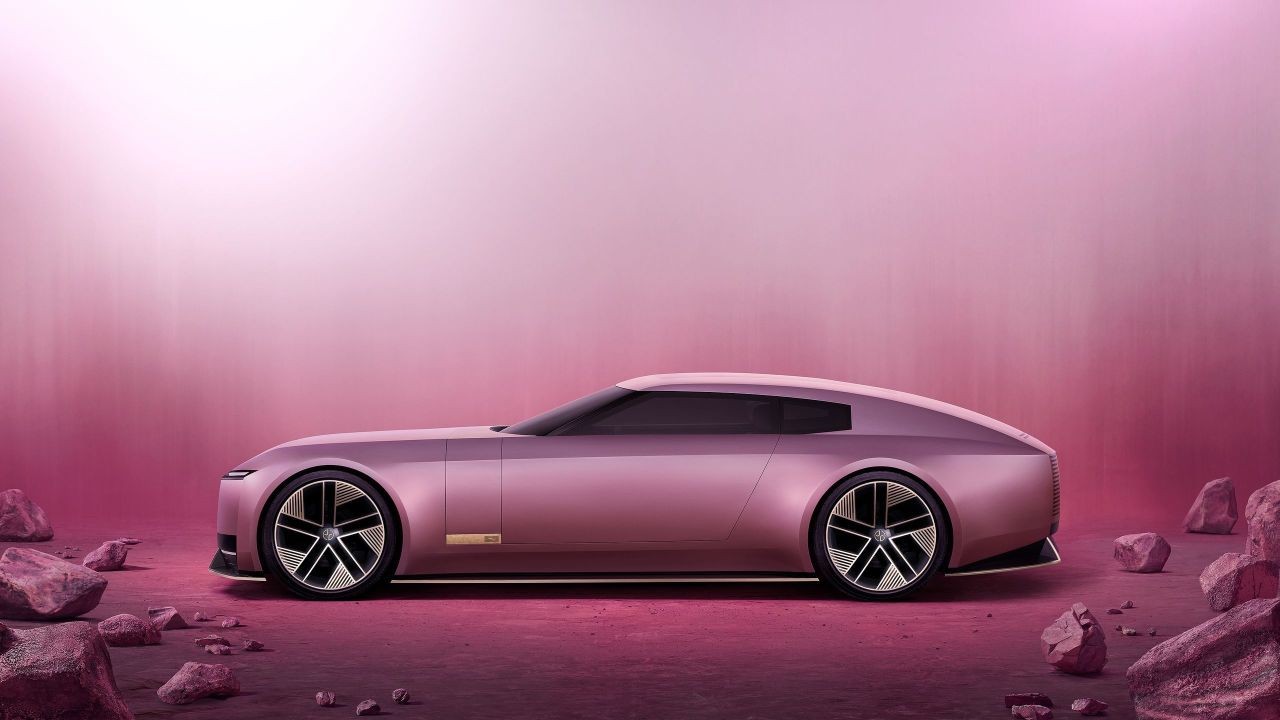
In the lush landscapes of New Zealand, a unique trend is catching the attention of both automotive enthusiasts and sustainability advocates alike: the rising popularity of luxury convertible and sports car videos. While the thrill of a sleek, high-performance vehicle can be exhilarating, it invites a deeper conversation about its environmental implications and the role these videos play in shaping consumer behavior. This article delves into the evolution of this trend, its current state in New Zealand, and the broader implications for sustainability and the automotive industry.
🧠 The Historical Perspective: From Niche to Mainstream
Luxury convertibles and sports cars have long been symbols of status and freedom. Historically, their allure was contained within the affluent circles, often seen as a distant dream for the average consumer. However, with the advent of digital media, particularly platforms like YouTube, the accessibility of these vehicles through videos has democratized their appeal. In New Zealand, where the car culture is vibrant, the trend of showcasing high-end vehicles in stunning landscapes has gained significant traction.
The shift began in the early 2000s when car enthusiasts started sharing amateur videos of their prized possessions. Fast forward to today, and professionally produced content featuring these cars is reaching millions, influencing perceptions and consumer decisions. According to a 2022 report by MBIE, New Zealand's digital content consumption saw a 35% increase over the past decade, with automotive videos being a significant contributor.
🚗 The Current Trend: Why Are These Videos So Popular?
Several factors contribute to the popularity of luxury convertible and sports car videos in the New Zealand market:
- Visual Appeal: The picturesque landscapes of New Zealand provide a perfect backdrop for showcasing the aesthetics and performance of these vehicles.
- Influence of Social Media: Platforms like Instagram and YouTube have created a culture where showcasing luxury is synonymous with success and aspiration.
- Technological Advancements: High-definition cameras and drones have made it easier to capture the dynamic movements and intricate details of these cars, enhancing viewer engagement.
📊 Data-Driven Insights: The Economic and Environmental Impact
New Zealand's economy, with its strong focus on tourism and agriculture, might seem at odds with the high-carbon footprint of luxury sports cars. However, the automotive industry contributes significantly to the economy. According to Stats NZ, the automotive sector accounted for 8% of the country’s GDP in 2023.
Yet, the environmental impact cannot be ignored. Luxury sports cars are notorious for their fuel consumption and emissions. As a result, there is an increasing push for sustainable practices within this niche market. The government’s initiatives, such as the Clean Car Standard, aim to reduce vehicle emissions, putting pressure on manufacturers to adopt greener technologies.
📖 Case Study: Tesla's Impact on the NZ Market
Problem: Traditional luxury car manufacturers were slow to adapt to the electric vehicle (EV) trend, focusing instead on performance and luxury.
Action: Tesla entered the New Zealand market with a strong emphasis on sustainable luxury. By combining high performance with eco-friendly technology, they captured a significant market share.
Result: Tesla’s sales in New Zealand surged by 50% in 2022, proving that there is a strong market for sustainable luxury vehicles.
Takeaway: The success of Tesla highlights the potential for luxury brands to thrive by integrating sustainability into their business models. New Zealand consumers are increasingly looking for ethical and environmentally friendly options.
🔍 Common Myths & Mistakes
- Myth: "Luxury cars can't be eco-friendly." Reality: Brands like Tesla and Porsche are proving that high performance can coexist with sustainability through innovative engineering and design.
- Myth: "Only the wealthy can afford luxury cars." Reality: With leasing options and second-hand markets, luxury cars are becoming more accessible to a broader audience.
- Myth: "Sports cars have no place in New Zealand's eco-conscious market." Reality: The demand for high-performance vehicles is strong, and there is a growing segment of environmentally conscious consumers seeking sustainable options.
❌ Common Mistakes & Pitfalls to Avoid
- Ignoring the environmental impact of high-emission vehicles, which can lead to regulatory challenges and consumer backlash.
- Underestimating the influence of digital marketing and social media in shaping consumer opinions and driving sales.
- Failing to adapt to the growing demand for electric and hybrid models, which could result in loss of market share.
🔮 Future Trends & Predictions
As New Zealand continues to prioritize sustainability, the automotive industry will need to innovate to stay relevant. By 2030, it is predicted that 50% of all luxury car sales in New Zealand will be electric or hybrid models, driven by consumer demand and government policy.
Moreover, as digital content continues to evolve, the role of virtual reality and augmented reality in car marketing will expand, offering immersive experiences that could further influence purchasing decisions.
🔍 People Also Ask
How does the popularity of luxury car videos impact sustainability in New Zealand? These videos often promote high-emission vehicles, but they also open discussions about sustainable alternatives, driving manufacturers to innovate.
What are the environmental implications of luxury sports cars? They typically have higher emissions, but advancements in technology are leading to more eco-friendly models.
🔍 Related Search Queries
- Luxury sports car market in New Zealand
- Sustainable luxury car brands
- Impact of social media on car sales
- New Zealand car emissions regulations
- Future of electric vehicles in NZ
🔚 Conclusion
The intersection of luxury convertibles and sports car videos with New Zealand's sustainability goals creates a complex yet fascinating narrative. As the country moves towards a greener future, there is immense potential for innovation within the automotive industry. The key lies in balancing the allure of luxury with the necessity of sustainability. What do you think? Are luxury sports cars compatible with New Zealand's eco-conscious landscape? Share your thoughts in the comments below!
For the full context and strategies on Luxury Convertible and Sports Car Videos Popular in NZ Markets, see our main guide: Motorsport Custom Community Videos Nz.