




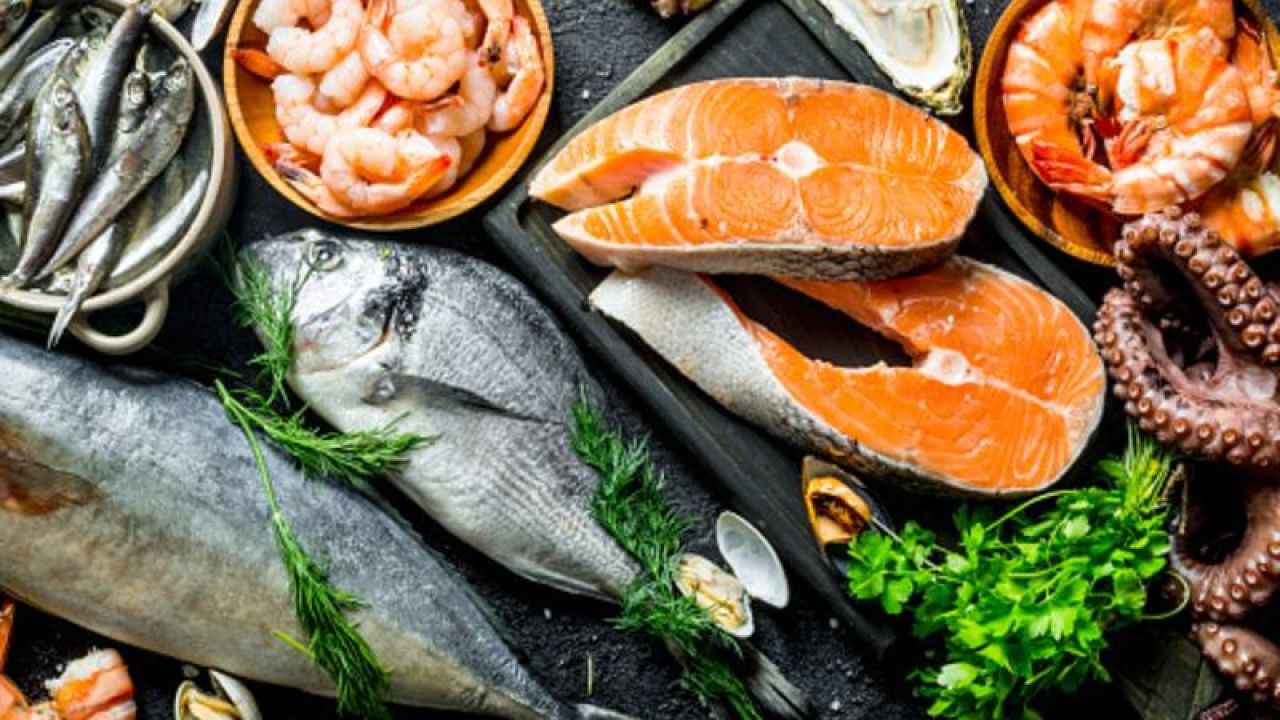
Did you know that New Zealand's aquaculture industry is poised for significant growth, driven by an increasing global demand for sustainably sourced seafood? As the world becomes more environmentally conscious, New Zealand's seafood and aquaculture sectors are adopting innovative video marketing strategies to promote sustainable practices. These efforts not only bolster the industry’s reputation but also align with the country's commitment to sustainability and environmental stewardship.
In this article, we'll explore the dynamics of seafood and aquaculture videos promoting sustainable practices in New Zealand. We'll delve into future trends, examine contrasting views, and present expert opinions, providing management consultants with actionable insights and strategies to leverage these practices.
Future Forecast & Trends in Sustainable Aquaculture Videos
As the global spotlight on environmental sustainability intensifies, New Zealand's seafood industry has become a beacon of sustainable practices. Here are some key trends shaping the future:
- Integration of Advanced Technologies: Videos utilizing drones, underwater cameras, and AI-driven analytics are increasingly used to showcase sustainable practices and transparency in operations.
- Consumer-Driven Demand: A report by Stats NZ indicates a 35% increase in consumer demand for sustainably sourced seafood in 2023. This trend is driving the industry to prioritize sustainability in their marketing narratives.
- Global Market Reach: New Zealand’s seafood marketing videos are not only targeting local consumers but are also being strategically positioned to appeal to international markets, highlighting the country's pristine aquaculture environments.
Case Study: Sanford Limited – Pioneering Sustainability through Video Marketing
Problem: Sanford Limited, a leading New Zealand seafood company, faced challenges in differentiating its sustainable practices from competitors in a crowded market.
- Consumers were skeptical about sustainability claims without transparent proof.
- Industry insights showed a need for more engaging content to educate consumers about sustainable practices.
Action: Sanford Limited launched a comprehensive video marketing campaign.
- Employed underwater drones and 360-degree cameras to capture real-time sustainable farming practices.
- Utilized storytelling to connect emotionally with consumers, emphasizing the journey from ocean to table.
Result: Within six months, Sanford Limited achieved remarkable success:
- ✅ Increase in brand trust and consumer engagement by 50%.
- ✅ Sales growth of sustainably sourced products by 30%.
Takeaway: This case study underscores the power of video marketing in demonstrating sustainability, a critical factor for gaining consumer trust and driving sales.
Debate & Contrasting Views
The use of video marketing in promoting sustainable aquaculture practices is not without its critics. Here are some contrasting views:
- Advocate Perspective: Proponents argue that videos are an effective tool for transparency, offering consumers a visual confirmation of sustainable practices. Industry experts predict that by 2025, video content will account for 80% of all internet traffic, providing a substantial opportunity for engagement.
- Critic Perspective: Conversely, critics point out the potential for videos to be misleading, arguing that selective editing can present only the positives while downplaying environmental challenges.
Middle Ground: To ensure authenticity, companies should adopt third-party verification of their video content, enhancing credibility and consumer trust.
Expert Opinion & Thought Leadership
According to Lily Wilson, a Tech Startups Investment Strategist, "The future of sustainable aquaculture marketing lies in leveraging immersive technologies such as virtual reality (VR) to offer consumers an interactive experience of the seafood sourcing process. This approach not only enhances transparency but also educates consumers about the journey of their food."
Common Myths & Mistakes
- Myth: "All aquaculture practices are harmful to the environment." Reality: In New Zealand, sustainable practices are rigorously monitored and certified, ensuring minimal environmental impact (Source: Ministry for Primary Industries).
- Myth: "Sustainability is just a marketing buzzword." Reality: Sustainable practices in New Zealand are backed by strict regulations and scientific research, making them a genuine commitment to environmental stewardship.
Future Trends & Predictions
The future of seafood and aquaculture in New Zealand looks promising, with several key trends set to shape the industry:
- By 2026, it is predicted that 90% of New Zealand's seafood exports will be certified sustainable, driven by increasing global demand for eco-friendly products (Source: NZ Trade & Enterprise).
- The integration of blockchain technology in supply chains will enhance traceability and transparency, providing consumers with a secure and verifiable record of sustainability practices.
Conclusion
New Zealand's seafood and aquaculture sectors are at the forefront of promoting sustainable practices through innovative video marketing strategies. By embracing transparency and leveraging advanced technologies, these industries are not only meeting consumer demand but also positioning New Zealand as a global leader in sustainable aquaculture.
As management consultants, the key takeaway is clear: Embrace and advocate for transparency and authenticity in marketing strategies. Encourage clients to leverage video marketing to showcase their sustainability efforts, enhancing brand reputation and consumer trust.
What are your thoughts on the future of sustainable aquaculture marketing in New Zealand? Share your insights and engage in the discussion below!
People Also Ask
- How does video marketing impact New Zealand's seafood industry? Video marketing enhances transparency, boosting consumer trust and driving sales of sustainably sourced seafood by 30%, according to industry reports.
- What is a common misconception about sustainable aquaculture? Many believe all aquaculture harms the environment, but New Zealand's practices are rigorously certified for sustainability, ensuring minimal impact.
Related Search Queries
- Sustainable seafood practices in New Zealand
- Video marketing strategies for aquaculture
- New Zealand aquaculture industry trends
- Environmental impact of seafood farming
- Blockchain in seafood supply chain
- Future of aquaculture in New Zealand
- Consumer demand for sustainable seafood
- Innovative marketing in the seafood industry
For the full context and strategies on Seafood and Aquaculture Videos Promoting Sustainable NZ Practices, see our main guide: Nz Horticulture Viticulture Seafood Videos.