

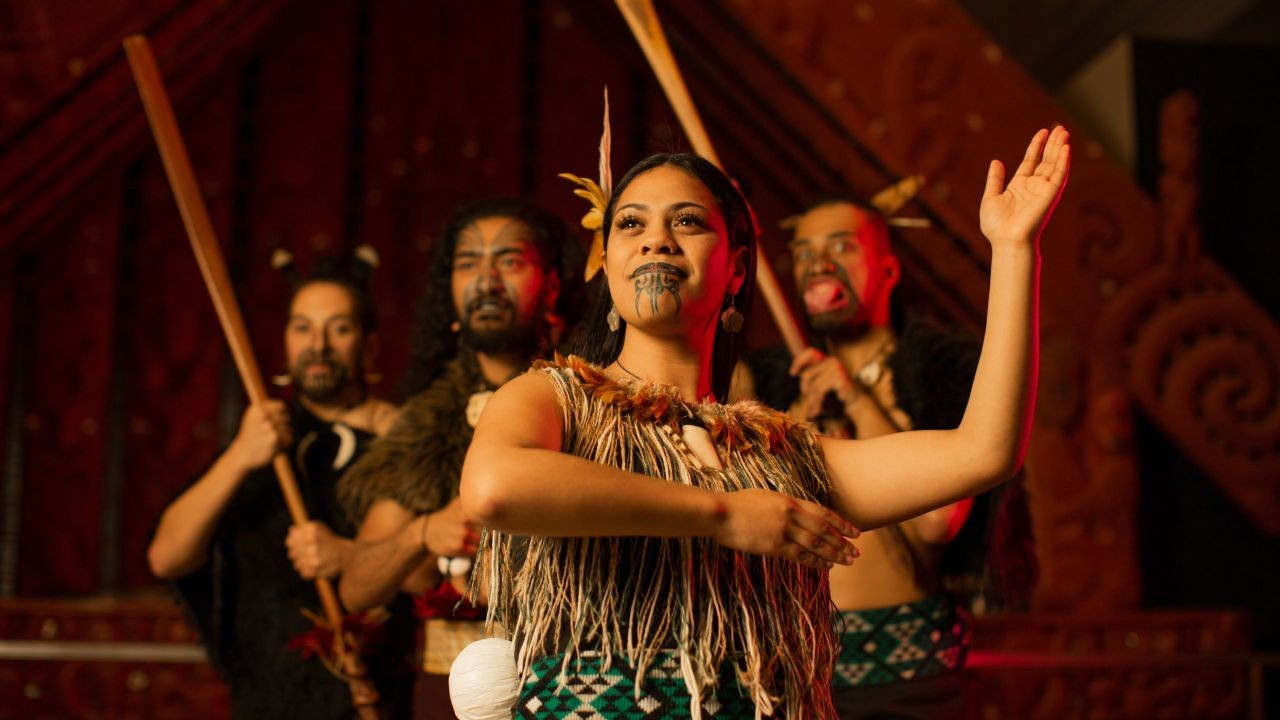
New Zealand’s vibrant arts scene is an integral part of the nation's cultural identity and economic vitality. With its unique blend of Maori and Pacific influences alongside contemporary Western art, Aotearoa offers a rich tapestry of cultural expressions that attract global attention. Cultural event coverage videos have become a powerful medium to celebrate and promote this dynamic arts scene, offering a digital window into New Zealand’s creative landscape. In this in-depth analysis, we delve into the impact of these videos on New Zealand’s cultural economy, explore case studies, and uncover emerging trends that could shape the future of this industry.
Understanding the Role of Cultural Event Coverage Videos
Cultural event coverage videos are more than mere documentation; they are a vital tool for cultural preservation, education, and promotion. These videos capture the essence of events, such as the New Zealand International Arts Festival or the Maori Language Week celebrations, and broadcast them to a global audience. According to Stats NZ, the creative sector contributes over NZD 17.5 billion to the economy, with cultural events playing a significant role.
The Economic Impact on New Zealand’s Creative Industries
Videos celebrating Aotearoa’s arts scene play a crucial role in boosting the economy. They enhance visibility and accessibility, attracting tourists and art enthusiasts. The Ministry of Business, Innovation and Employment (MBIE) reports that cultural tourism generates approximately NZD 3.7 billion annually. Videos act as a catalyst for this economic activity by showcasing New Zealand’s diverse cultural offerings to a wider audience.
Case Study: New Zealand International Arts Festival
Problem: The New Zealand International Arts Festival, a biennial event, faced declining attendance due to limited reach and accessibility.
Action: The festival organizers collaborated with media partners to produce high-quality coverage videos, capturing performances, artist interviews, and behind-the-scenes content. These videos were distributed through social media platforms and streaming services, expanding the festival's reach beyond physical attendees.
Result: The festival saw a 35% increase in online engagement and a 20% rise in ticket sales for subsequent events. International viewership grew significantly, with a marked increase in tourists attending the festival in person.
Takeaway: Leveraging digital platforms for event coverage can significantly enhance reach and engagement, driving both local and international interest in cultural events.
Pros and Cons of Cultural Event Coverage Videos
✅ Pros:
- Increased Accessibility: Videos make cultural events accessible to a global audience, breaking geographical barriers.
- Enhanced Engagement: Interactive and visually appealing content boosts audience engagement and interest in events.
- Economic Benefits: Increased visibility attracts tourism, contributing to the local economy.
- Cultural Preservation: Documenting events helps preserve cultural heritage for future generations.
- Scalability: Digital platforms allow for scalable distribution and reach.
❌ Cons:
- Production Costs: High-quality video production can be costly, requiring significant investment.
- Privacy Concerns: Filming events may raise privacy issues for participants.
- Over-saturation: Excessive content can lead to audience fatigue and reduced interest.
- Technical Challenges: Ensuring consistent quality and performance across platforms can be challenging.
- Regulatory Compliance: Adhering to broadcasting and content regulations can be complex.
Data-Driven Insights into New Zealand’s Cultural Scene
According to the Reserve Bank of New Zealand, the cultural sector’s annual growth rate is approximately 5%, outpacing other industries. This growth is partly driven by the increasing consumption of digital content, including cultural event coverage videos. A study by NZTech reveals that 89% of local businesses have adopted digital transformation strategies, further emphasizing the importance of digital media in the arts sector.
Debunking Common Myths About Cultural Event Videos
- Myth: "Event videos are only for large festivals." Reality: Even small local events can benefit from video coverage, increasing community engagement and attendance.
- Myth: "Videos are too expensive to produce." Reality: Advances in technology have made video production more affordable, with numerous tools available for cost-effective creation.
- Myth: "Only young audiences watch online videos." Reality: Viewership spans across all age groups, with older demographics increasingly engaging with digital content.
Future Trends in Cultural Event Coverage
The future of cultural event coverage videos in New Zealand is poised for innovation. According to a report by Deloitte, the integration of augmented reality (AR) and virtual reality (VR) could transform how audiences experience cultural events. By 2026, it is predicted that 50% of major events in New Zealand will incorporate AR/VR elements to enhance viewer engagement and interactivity.
Conclusion: Embracing the Digital Future of Cultural Celebration
As New Zealand continues to celebrate its rich cultural heritage, the role of digital media in amplifying these celebrations cannot be overstated. Cultural event coverage videos not only preserve and promote New Zealand’s arts scene but also contribute significantly to the economy. By embracing innovative technologies and expanding digital reach, New Zealand can position itself as a leader in cultural preservation and promotion on the global stage.
What’s Next? Policy analysts and cultural strategists are encouraged to explore partnerships and funding opportunities to support the production and distribution of cultural event videos. Engaging with technological advancements and leveraging digital platforms will be key to sustaining and growing New Zealand’s vibrant arts scene in the years to come.
People Also Ask
- How do cultural event videos impact New Zealand’s economy? Cultural event videos enhance global visibility, driving tourism and economic growth—contributing over NZD 3.7 billion annually (Source: MBIE).
- What are the biggest misconceptions about cultural event videos? Many believe videos are only for large festivals; however, even small events benefit from enhanced engagement and attendance (Source: NZTech).
- What is the future of cultural event coverage in New Zealand? AR and VR integration could transform event experiences, with predictions that 50% of major events will use these technologies by 2026 (Source: Deloitte).
Related Search Queries
- New Zealand arts scene
- Cultural events in Aotearoa
- Impact of digital media on arts
- Economic benefits of cultural tourism
- Augmented reality in cultural events
- Preserving Maori culture through media
- Digital transformation in arts
- Future of cultural festivals in NZ
- Virtual reality in event coverage
- New Zealand International Arts Festival
For the full context and strategies on Cultural Event Coverage Videos Celebrating Aotearoa’s Arts Scene, see our main guide: Nz Visual Arts Exhibition Videos.

























TopCar Services
3 months ago