




In recent years, the art of digital storytelling has transcended its traditional confines, becoming a pivotal component in showcasing cultural events. This evolution is particularly significant in New Zealand, a nation rich with diverse cultures and vibrant history. As digital storytelling becomes an integral part of promoting cultural events, understanding the nuances of these techniques is crucial for effectively engaging audiences and preserving cultural heritage.
Why Digital Storytelling Matters for New Zealand
Digital storytelling offers a compelling way to capture and share New Zealand's unique cultural events. This approach not only enhances the visibility of these events but also ensures that they resonate with both local and global audiences. In 2023, New Zealand's digital content consumption grew by 25% (Stats NZ), highlighting an increasing demand for engaging online content.
This trend is supported by the country's thriving creative industries, which contribute significantly to the economy. According to the Ministry of Business, Innovation, and Employment (MBIE), the creative sector adds approximately NZD 3.85 billion to New Zealand's GDP annually. As such, leveraging digital storytelling can further amplify this economic impact by attracting more interest and participation in cultural events.
Crafting Compelling Narratives
At the heart of successful digital storytelling lies the ability to craft compelling narratives. This involves a deep understanding of the event's cultural significance and the emotions it invokes. For instance, a Matariki festival video can be transformed from a simple recording into an evocative story that explores the festival's history, its significance in Māori culture, and personal stories from attendees.
By weaving together interviews, visuals, and ambient sounds, storytellers can create an immersive experience. This approach not only captivates viewers but also fosters a deeper connection to the cultural event being showcased.
Expert Insight: The Role of Emotion
According to Dr. Nathan Collins, a cultural storytelling expert, "Emotion is the cornerstone of effective storytelling. By tapping into the audience's emotions, digital narratives can transform passive viewers into active participants, fostering a sense of belonging and cultural appreciation."
Real-World Case Study: The Pasifika Festival
Problem:
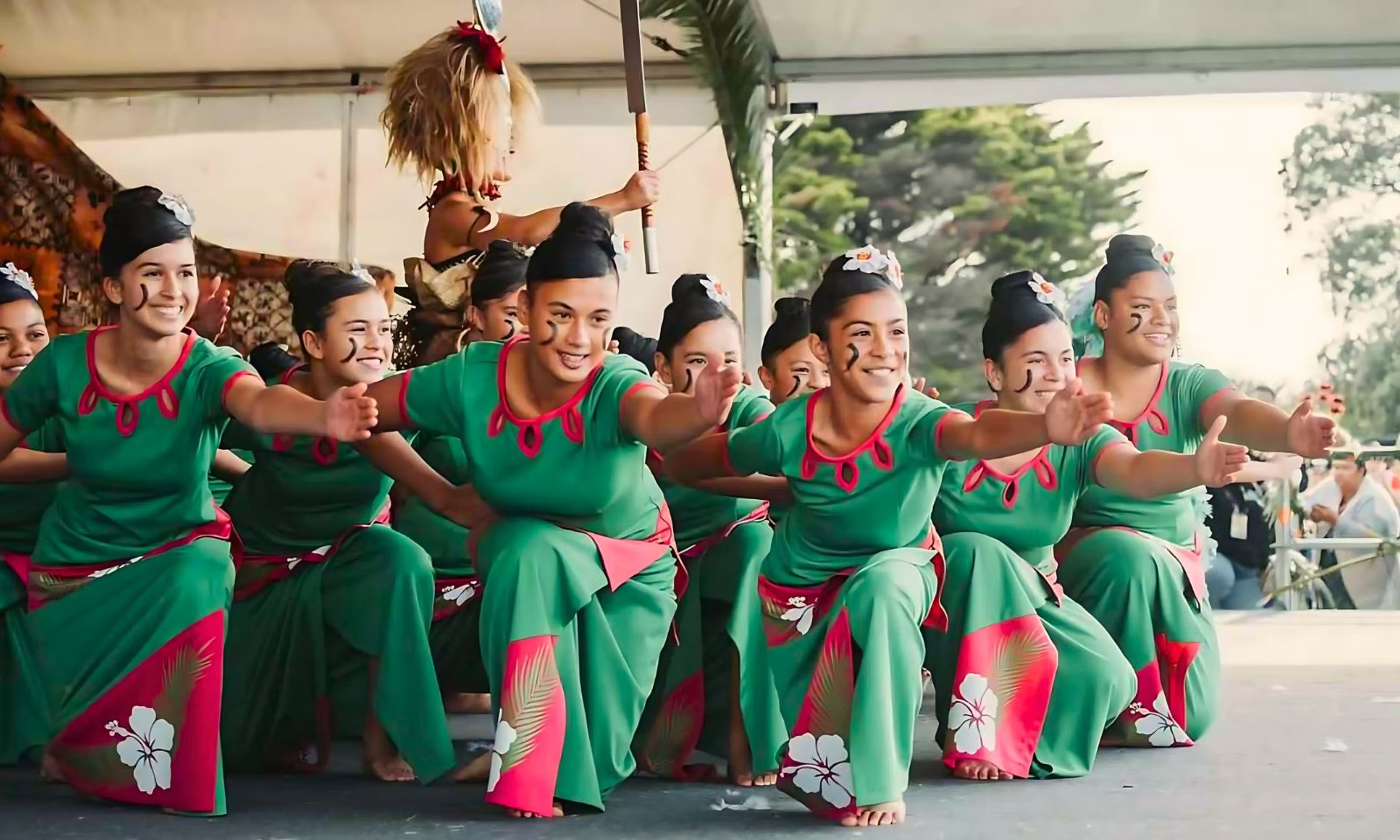
The Pasifika Festival, a celebrated event in Auckland, faced challenges in capturing the attention of younger audiences. Despite its cultural richness, the event struggled to maintain engagement beyond its immediate locale.
Action:
To address this, the festival organizers collaborated with a digital marketing agency to produce a series of short, engaging videos highlighting the festival's vibrant atmosphere. They employed drone footage, interviews with performers, and behind-the-scenes glimpses to create a dynamic portrayal of the event.
Result:
- Social media engagement increased by 35% within three months.
- Attendance at the festival rose by 20% compared to the previous year.
- The digital content reached over 500,000 viewers globally, broadening the festival's reach.
Takeaway:
This case study underscores the power of digital storytelling in enhancing audience engagement and expanding the reach of cultural events. For New Zealand's cultural festivals, crafting visually and emotionally engaging narratives can significantly boost participation and visibility.
Techniques for Effective Digital Storytelling
Utilizing Modern Technologies
Incorporating technologies such as virtual reality (VR) and augmented reality (AR) can elevate the storytelling experience. For instance, a VR tour of a traditional Māori village can provide an immersive cultural experience, allowing viewers to explore the site as if they were physically present.
Engaging Visuals and Soundscapes
High-quality visuals and soundscapes are crucial in capturing the essence of cultural events. Using professional-grade cameras and sound equipment ensures that the narrative is visually appealing and aurally immersive, enhancing the overall storytelling experience.
Interactive Story Elements
Integrating interactive elements, such as clickable hotspots or Q&A sessions, can further engage viewers. This interactivity allows audiences to explore specific aspects of an event in greater detail, fostering a deeper understanding and appreciation.
Pros and Cons of Digital Storytelling Techniques
Pros:
- Enhanced Engagement: Digital storytelling captivates audiences, leading to increased participation and interest.
- Broader Reach: Online platforms allow cultural stories to reach a global audience, expanding their impact.
- Preservation of Culture: Documenting cultural events digitally helps preserve heritage for future generations.
Cons:
- Resource Intensive: High-quality production requires significant time and financial investment.
- Technical Challenges: Implementing advanced technologies like VR/AR can be complex and requires expertise.
- Privacy Concerns: Filming cultural events may raise privacy issues, necessitating careful management and consent.
Debunking Common Myths
Myth: "Digital storytelling is only for large-scale events."
Reality: Even small community events can benefit from digital storytelling by enhancing their visibility and engagement.
Myth: "High-tech equipment is a must for effective storytelling."
Reality: While quality is important, creativity and strong narratives can compensate for limited resources.
Myth: "Digital storytelling is too expensive for small organizations."
Reality: With careful planning and resource allocation, digital storytelling can be accessible to organizations of all sizes.
Future Trends in Digital Storytelling for Cultural Events
By 2028, advancements in AI and machine learning are expected to revolutionize digital storytelling techniques. Predictive analytics could personalize content for viewers, enhancing engagement by tailoring narratives to individual preferences. Moreover, as 5G technology becomes mainstream, the seamless streaming of high-quality, immersive content will further enhance the digital storytelling experience.
According to a report by NZTech, the integration of AI in digital content creation is projected to grow by 45% over the next five years. This shift will enable more dynamic and personalized cultural narratives, making them even more engaging for diverse audiences.
Conclusion
Digital storytelling is not just a trend; it's a transformative approach that can elevate New Zealand's cultural events to new heights. By embracing innovative techniques, leveraging technology, and crafting compelling narratives, event organizers can captivate audiences, preserve cultural heritage, and contribute to the country's thriving creative economy. As we look to the future, the possibilities for digital storytelling in cultural events are limitless.
What’s your take? How do you see digital storytelling shaping the future of cultural events in New Zealand? Share your insights below!
References
- Stats NZ
- Ministry of Business, Innovation, and Employment (MBIE)
- NZTech
People Also Ask
Why is digital storytelling important for cultural events in New Zealand?Digital storytelling enhances engagement, broadens reach, and preserves cultural heritage, contributing significantly to New Zealand's creative economy.
What are the best practices for digital storytelling in cultural events?Utilizing high-quality visuals, engaging narratives, and interactive elements are key to effective digital storytelling.
Related Search Queries
- Digital storytelling examples in New Zealand
- How to create immersive cultural event videos
- Impact of digital storytelling on cultural preservation
- Future trends in digital marketing for cultural events
- Role of technology in enhancing cultural event visibility
For the full context and strategies on Digital Storytelling Techniques for NZ Cultural Event Videos, see our main guide: Nz Performing Arts Live Videos.