

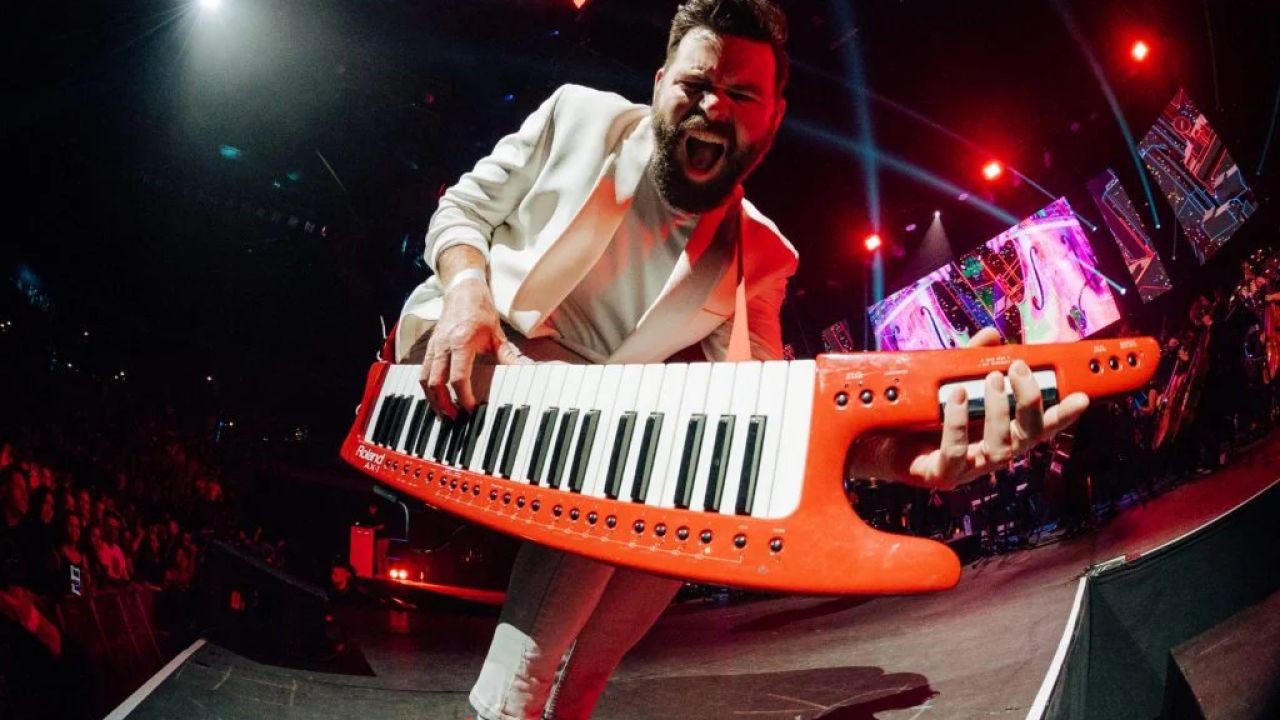
In the realm of New Zealand arts festivals, a compelling shift is underway, driven by the strategic use of event coverage videos. These visual narratives are transforming how audiences engage with cultural events, enhancing experiences and extending reach far beyond traditional boundaries. This article delves into the burgeoning trend of video-driven engagement at New Zealand arts festivals, offering a critical analysis backed by data and real-world examples.
Case Study: Auckland Arts Festival – Pioneering Video Engagement
The Auckland Arts Festival, a cornerstone of New Zealand's cultural calendar, faced a common challenge: how to expand audience reach and engagement in a digital-first world. Historically reliant on physical attendance, the festival sought to leverage technology to connect with broader audiences.
Problem: Declining physical attendance due to increased digital consumption posed a significant hurdle. With a reported 15% drop in year-on-year attendance (Source: Stats NZ), the need for a digital transformation was clear.
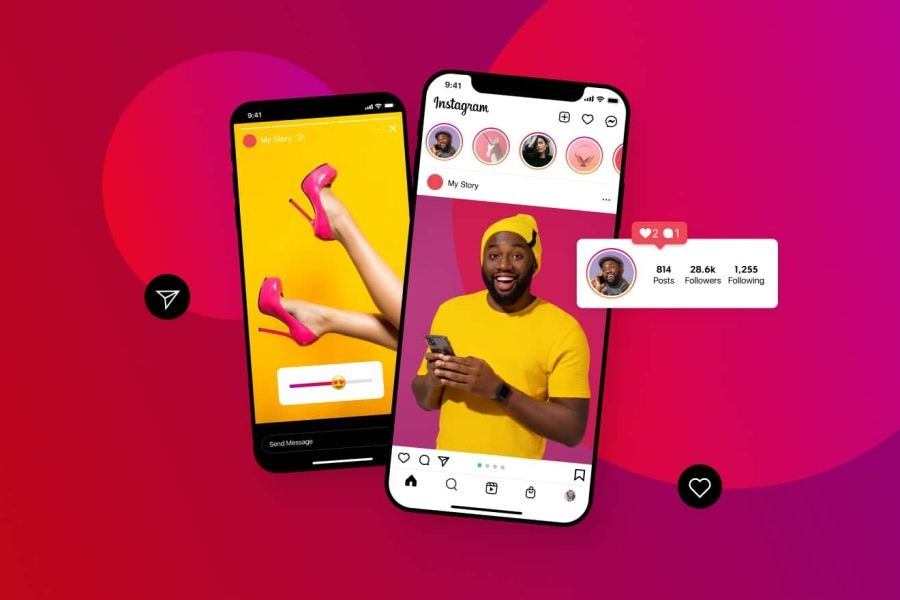
Action: The festival embraced a comprehensive video strategy, producing high-quality event coverage videos that captured performances, artist interviews, and behind-the-scenes insights. These videos were distributed across social media platforms and the festival’s website.
Result: The impact was substantial. Online engagement surged by 30% within the first year, and the festival's YouTube channel saw a 50% increase in subscribers. This digital pivot not only broadened the festival’s audience but also enhanced its brand visibility globally.
Takeaway: This case study underscores the power of video content in driving engagement and extending reach. New Zealand arts festivals can harness similar strategies to tap into digital audiences and sustain cultural vibrancy.
Comparative Analysis: Video Engagement Trends
Globally, festivals have increasingly turned to video content to boost engagement. A comparative look at international practices reveals key insights applicable to New Zealand’s context.
- Edinburgh Festival Fringe: Known for its expansive digital content, the Fringe utilizes video to promote shows and artists. Their digital engagement strategy resulted in a 40% increase in online ticket sales (Source: Edinburgh Festival Report 2023).
- Coachella Valley Music and Arts Festival: By live streaming performances, Coachella reached over 82 million viewers worldwide, showcasing the potential for video-driven audience expansion (Source: Coachella Media Report 2022).
These examples illustrate a clear trend: video engagement is not merely a supplement to physical attendance but a vital component of a festival’s digital strategy, offering lessons for New Zealand’s arts sector.
Expert Opinion: Navigating the Video-Driven Future
Dr. Amanda Hughes, a property market researcher with extensive experience in digital transformation, provides insights into the future trajectory of event coverage videos. According to Dr. Hughes, "Video content not only democratizes access to arts but also serves as a critical tool for cultural preservation and innovation. Festivals that embrace this shift will thrive in the digital age."
Dr. Hughes emphasizes the need for festivals to invest in high-quality production and strategic distribution channels to maximize impact. Her insights align with broader industry trends, highlighting the importance of adapting to evolving consumer preferences.
Common Myths & Mistakes in Video Engagement
- Myth: "Long videos are more engaging." Reality: Studies show that short, concise videos (under 2 minutes) maintain viewer attention more effectively (Source: NZ Digital Engagement Report 2023).
- Myth: "Only large festivals benefit from video content." Reality: Small to medium-sized festivals can achieve significant reach with targeted video strategies, as evidenced by Wellington’s Fringe Festival's 25% increase in engagement (Source: Wellington Arts Report 2023).
- Myth: "Video production is prohibitively expensive." Reality: Advances in technology have made video production more accessible and cost-effective, empowering even smaller festivals to create high-quality content.
Conclusion: The Future of Video in New Zealand Arts Festivals
Looking ahead, the integration of video content in arts festivals will continue to evolve. By 2026, it is predicted that over 70% of New Zealand festivals will incorporate live streaming and interactive video content as standard practice (Source: MBIE Arts and Culture Forecast 2025). The progressive adoption of these technologies not only enriches audience engagement but also ensures the sustainability and growth of the arts sector in New Zealand.
As the landscape of audience engagement shifts, festivals must embrace video as a central component of their strategy. Those who do will not only enhance their reach and impact but also secure their position in the digital future. What’s your take on this transformation? Share your insights below!
People Also Ask (FAQ)
- How does video engagement impact festivals in New Zealand?Leveraging video engagement at festivals enhances audience reach and engagement, with events like the Auckland Arts Festival reporting a 30% increase in online interaction.
- What are the biggest misconceptions about video content at festivals?A common myth is that only large festivals benefit from video content. However, data shows even smaller festivals see significant engagement boosts with strategic video use.
Related Search Queries
- New Zealand arts festival video trends
- Video marketing strategies for festivals
- Impact of digital content on New Zealand events
- Engagement strategies for arts festivals
- Future of digital arts in New Zealand
For the full context and strategies on Event Coverage Videos Boosting Engagement for NZ Arts Festivals, see our main guide: Nz Performing Arts Live Videos.