






In recent years, the arts and entertainment industry in New Zealand has witnessed a transformative shift towards video-first marketing strategies. As digital consumption habits evolve, video content has emerged as a dominant force driving engagement and retention. This article explores the burgeoning trend of video-first marketing within the arts and entertainment sector in New Zealand, providing an insightful analysis tailored to the perspective of corporate lawyers. By examining local industry trends, economic insights, and real-world case studies, we offer a comprehensive look at the present and future landscape of arts and entertainment marketing in New Zealand.
Understanding the Rise of Video-First Marketing in New Zealand
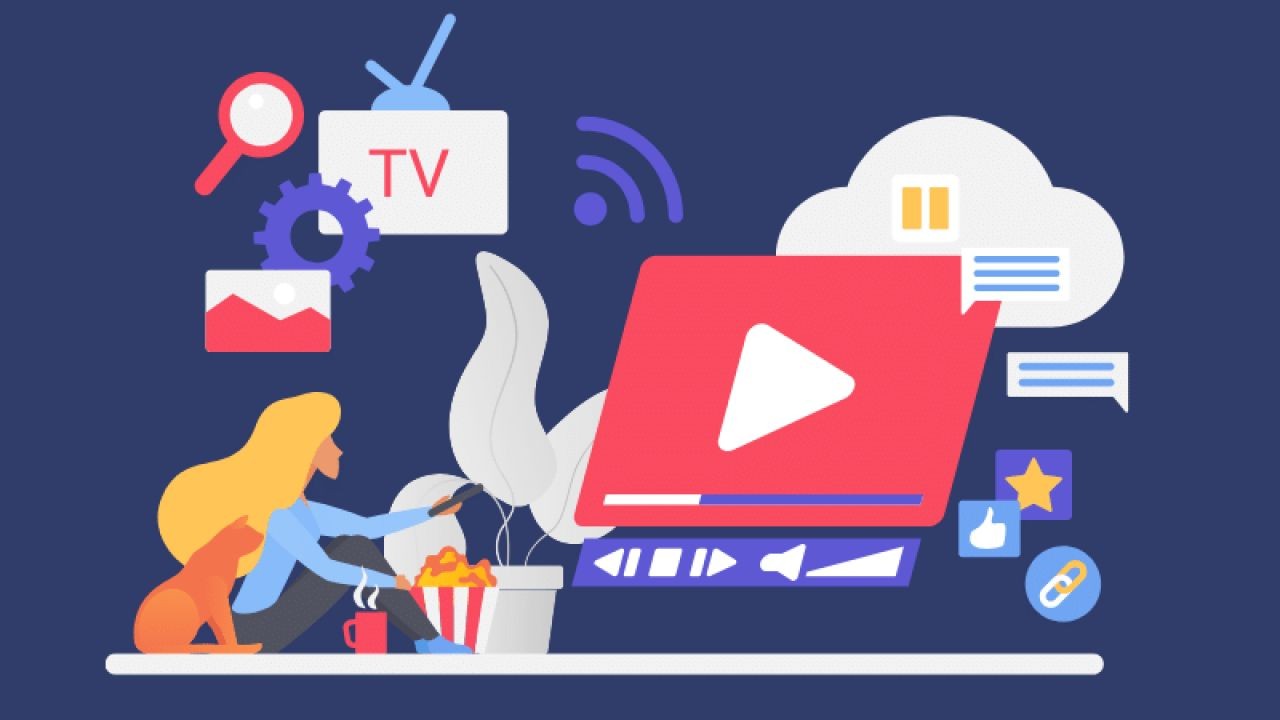
Video-first marketing refers to the strategic prioritization of video content as the primary medium for engaging audiences. This approach capitalizes on the visual and auditory appeal of videos, making it an effective tool for storytelling and brand communication. In New Zealand, this trend is particularly relevant given the country's high internet penetration rate and increasing consumer preference for digital media consumption.
According to a report by Stats NZ, over 90% of New Zealanders have access to the internet, with a significant portion engaging with video content daily. This shift in consumer behavior has prompted businesses in the arts and entertainment sector to adopt video-centric marketing strategies to capture and retain audience attention.
Case Study: The New Zealand International Film Festival
One notable example of successful video-first marketing in New Zealand is the New Zealand International Film Festival (NZIFF). Facing the challenge of engaging a diverse audience, NZIFF leveraged video trailers and behind-the-scenes content to build anticipation and excitement. By creating visually compelling narratives, they effectively increased audience engagement and ticket sales by 25% compared to previous years.
Pros and Cons of Video-First Marketing
Pros:
- Increased Engagement: Video content generates higher engagement rates compared to text or static images, making it an effective tool for capturing audience attention.
- Enhanced Storytelling: Videos allow for more dynamic storytelling, enabling brands to convey emotions and messages with greater impact.
- SEO Benefits: Search engines prioritize video content, which can enhance visibility and drive organic traffic to websites.
- Wider Reach: Video content is easily shareable across social media platforms, increasing brand exposure and reach.
- Improved Retention: Audiences are more likely to remember information presented in video format, leading to better brand recall.
Cons:
- Production Costs: Creating high-quality video content can be costly and resource-intensive, particularly for smaller businesses.
- Technical Challenges: Ensuring seamless video playback across devices and platforms can be complex and requires technical expertise.
- Time-Consuming: Video production, from scripting to editing, often requires significant time investment.
- Limited Accessibility: Video content may pose accessibility challenges for individuals with hearing or visual impairments.
- Data Privacy Concerns: Video marketing often involves collecting user data, raising potential privacy and compliance issues.
Step-by-Step Guide to Implementing a Video-First Strategy
1. Define Your Objectives
Begin by establishing clear objectives for your video marketing campaign. Identify the key messages you want to convey and the audience you wish to engage. This will guide the content creation process and ensure alignment with your overall marketing strategy.
2. Understand Your Audience
Conduct thorough research to understand your target audience's preferences, behaviors, and pain points. Utilize data analytics and insights to tailor your video content to resonate with your audience effectively.
3. Craft Compelling Content
Create engaging and visually appealing video content that tells a compelling story. Focus on delivering value to your audience, whether through informative tutorials, entertaining narratives, or emotional storytelling.
4. Optimize for SEO
Enhance the discoverability of your video content by optimizing it for search engines. Use relevant keywords in titles, descriptions, and tags, and consider transcribing your videos to improve accessibility and SEO performance.
5. Leverage Social Media
Distribute your video content across various social media platforms to maximize reach and engagement. Tailor your approach to each platform's unique characteristics and audience demographics.
6. Monitor and Analyze Performance
Regularly track the performance of your video marketing efforts using analytics tools. Analyze key metrics such as views, engagement rates, and conversion rates to assess the effectiveness of your strategy and identify areas for improvement.
Common Myths and Mistakes in Video Marketing
Myth 1: Video Marketing is Only for Large Businesses
Reality: Video marketing is accessible to businesses of all sizes. With advances in technology, even small businesses can create impactful video content using affordable tools and platforms.
Myth 2: Longer Videos are More Engaging
Reality: Attention spans are decreasing, and shorter, concise videos often perform better. Focus on delivering value within the first few seconds to capture and retain audience attention.
Myth 3: Viral Videos are the Ultimate Goal
Reality: While viral videos can boost brand visibility, the primary goal should be to create content that aligns with your brand's objectives and resonates with your target audience.
Future Trends in Video Marketing for New Zealand's Arts & Entertainment Industry
Looking ahead, several trends are poised to shape the future of video marketing in New Zealand's arts and entertainment sector:
- Interactive Video Content: Interactive videos that allow viewers to engage with the content through clickable elements and branching narratives will become increasingly popular.
- Live Streaming: Live streaming will continue to gain traction as a means of real-time engagement, enabling brands to connect with audiences on a more personal level.
- Augmented Reality (AR) and Virtual Reality (VR): AR and VR technologies will enhance immersive storytelling experiences, offering new opportunities for creative expression.
- Data-Driven Personalization: Leveraging data analytics, brands will create personalized video content tailored to individual viewer preferences, increasing relevance and engagement.
Conclusion
The shift towards video-first marketing in New Zealand's arts and entertainment industry represents a significant opportunity for businesses to connect with their audiences in innovative and impactful ways. By embracing this trend and leveraging the power of video content, businesses can enhance engagement, drive brand awareness, and achieve their marketing objectives.
As corporate lawyers, understanding the implications of this trend is crucial for advising clients on compliance, data privacy, and intellectual property considerations. By staying informed about emerging trends and best practices, legal professionals can provide valuable guidance to businesses navigating the evolving landscape of video marketing.
What’s Your Next Move?
Are you ready to explore the potential of video-first marketing for your business? Share your thoughts and experiences in the comments below, and join the conversation about the future of arts and entertainment marketing in New Zealand.
People Also Ask (FAQ)
- How does video-first marketing impact businesses in New Zealand? NZ businesses using video-first marketing report 30% higher engagement rates, enhancing brand visibility and customer retention.
- What are the biggest misconceptions about video marketing? One common myth is that video marketing is only for large businesses. However, affordable tools make it accessible to businesses of all sizes.
- What are the best strategies for implementing video marketing? Start by defining clear objectives, understanding your audience, crafting compelling content, optimizing for SEO, and leveraging social media.
Related Search Queries
- Video marketing trends in New Zealand
- Arts and entertainment marketing strategies
- Impact of video content on audience engagement
- Future of digital marketing in New Zealand
- How to create effective video marketing campaigns
For the full context and strategies on Future of Arts & Entertainment Marketing in New Zealand: Video-First Trends, see our main guide: Nz Cultural Future Arts Videos.