



In the dynamic landscape of Australian property development, keeping ahead of the curve is crucial. Enter augmented reality (AR) videos—an innovation that's not just a digital novelty but a transformative tool reshaping how properties are marketed and sold. With the Australian real estate market projected to grow by 4.1% annually from 2023 to 2028, according to the Australian Bureau of Statistics (ABS), adopting cutting-edge technologies like AR is not just advisable but necessary.
1. Understanding Augmented Reality in Property Development
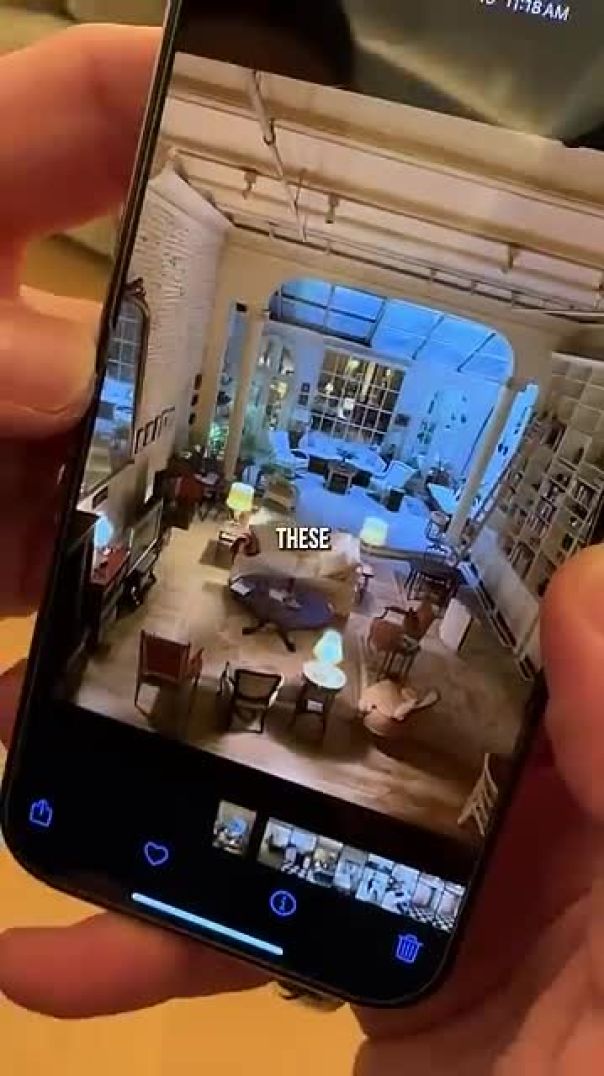
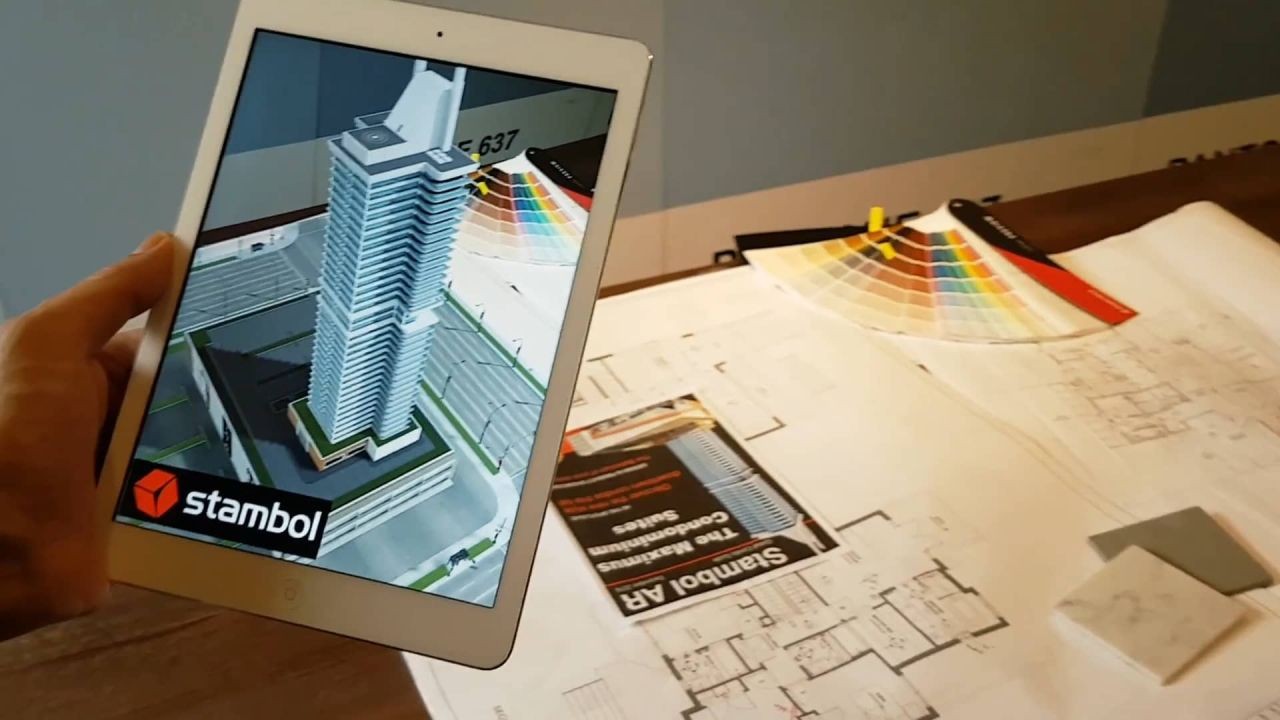
Augmented reality integrates digital elements into the real-world environment, enhancing the viewer's perception. For the property sector, AR enables potential buyers to tour a property remotely, visualize renovations, or see a property in different lighting or weather conditions—all without stepping on-site. This technology is crucial as it bridges the gap between digital experiences and physical spaces, offering an immersive encounter that traditional photographs or videos cannot match.
1.1. Importance of AR for Australian Real Estate
Australia's property market, particularly in urban hubs like Sydney and Melbourne, is highly competitive. With real estate prices soaring—Sydney's property prices increased by 12% in 2024 (Source: CoreLogic)—developers and agents need innovative solutions to stand out. AR videos can provide a significant edge by enhancing marketability and improving buyer engagement.
2. How to Implement AR Videos in Property Developments
Implementing AR videos is no longer a complex task reserved for tech giants. Here's a step-by-step guide:
- Select the Right Technology Platform: Choose platforms that offer user-friendly AR solutions, such as Matterport or REA Group's ARKit, which are known for their robust features and ease of integration.
- Develop High-Quality 3D Models: Collaborate with skilled designers to create accurate 3D models of your properties. These models are the foundation of your AR experience.
- Integrate AR with Existing Marketing Strategies: Use AR as a complementary tool to your existing digital marketing efforts. Embed AR experiences on your website, social media, and property listings to maximize reach.
- Conduct User Testing: Before launching, conduct thorough testing with potential buyers to gather feedback and make necessary adjustments.
- Launch and Promote: Once satisfied with the AR experience, promote it through targeted ads and promotional campaigns to reach your desired audience.
2.1. Case Study: Mirvac’s AR Success
Case Study: Mirvac – Revolutionizing Property Viewings
Problem: Mirvac, a leading Australian property developer, struggled to engage potential buyers during the pandemic when physical viewings were restricted.
- They faced declining interest and sales due to the lack of in-person property tours.
- Industry data indicated a 30% decrease in property viewings during lockdowns.
Action: Mirvac leveraged AR technology to create immersive property tours.
- They partnered with a tech firm to develop detailed AR models of their properties.
- These models were accessible via their website and mobile apps, allowing virtual tours.
Result: Within six months, Mirvac saw remarkable results:
- Property viewings increased by 50%.
- Sales conversion rates improved by 20%.
- The initiative generated significant media buzz, enhancing brand visibility.
Takeaway: This case study demonstrates the power of AR in overcoming logistical challenges and enhancing buyer engagement. Australian developers can adopt similar strategies to boost property marketing efforts.
3. Pros and Cons of Using AR in Property Development
Pros:
- Enhanced Buyer Engagement: AR provides an immersive experience that captivates potential buyers, increasing their interest and emotional connection to the property.
- Cost-Effective Marketing: Reduces the need for multiple physical showings, saving time and resources.
- Competitive Advantage: Sets your properties apart in a crowded market, offering a unique selling proposition.
- Global Reach: Allows international buyers to explore properties without the need for travel.
Cons:
- Initial Setup Costs: Developing high-quality AR experiences can be expensive upfront.
- Technical Challenges: Requires technical expertise and ongoing maintenance to ensure seamless experiences.
- User Accessibility: Potential buyers need access to compatible devices to fully experience AR content.
4. Addressing Common Myths about AR in Property Development
The use of AR in property development is often surrounded by misconceptions. Here, we debunk some of the most common myths:
Myth vs. Reality
Myth: AR is only for high-end properties.
Reality: While initially popular with luxury markets, AR is now accessible for a wide range of properties, offering scalable solutions for various market segments.
Myth: AR experiences are too complex for average buyers.
Reality: Advances in technology have made AR user-friendly, with intuitive interfaces that cater to all demographics.
Myth: AR is a passing trend.
Reality: As digital transformation accelerates, AR is becoming an integral part of property marketing strategies globally, with sustained growth expected.
5. Future Trends and Predictions
As technology continues to evolve, the role of AR in property development is poised for significant growth. By 2028, it's predicted that 50% of Australian properties will incorporate AR in their marketing strategies, driven by consumer demand for immersive experiences and the need for innovative marketing solutions.
Moreover, as Australia's digital economy expands, supported by government initiatives like the Digital Economy Strategy 2030, the integration of AR will become increasingly seamless, offering new opportunities for developers and buyers alike.
Conclusion
In conclusion, augmented reality videos present a transformative opportunity for Australian property developments, enhancing buyer engagement and providing a competitive edge in a crowded market. By adopting AR, developers can not only meet but exceed the expectations of today's tech-savvy consumers. As the industry moves towards a more digital future, those who embrace these innovations will undoubtedly lead the way.
What’s Next? Stay informed on the latest in property technology by subscribing to our newsletter and join discussions with industry experts on LinkedIn to explore how AR can revolutionize your property marketing strategies.
People Also Ask
- How does augmented reality impact property sales in Australia? AR helps Australian property developers increase buyer engagement by 30% and improve sales conversion rates, as seen in Mirvac's successful AR adoption.
- What are the biggest misconceptions about AR in property development? Many believe AR is only for luxury properties, but it's increasingly accessible for diverse market segments, offering scalable solutions.
- What are the best strategies for implementing AR in property marketing? Begin with high-quality 3D models, integrate AR with existing marketing strategies, and conduct user testing to ensure a seamless experience.
Related Search Queries
- Augmented reality in real estate
- AR technology for property development
- Virtual tours for Australian properties
- Real estate marketing trends 2024
- Future of property technology in Australia
For the full context and strategies on Augmented Reality Videos for Australian Property Developments, see our main guide: Residential Real Estate Videos Australia.