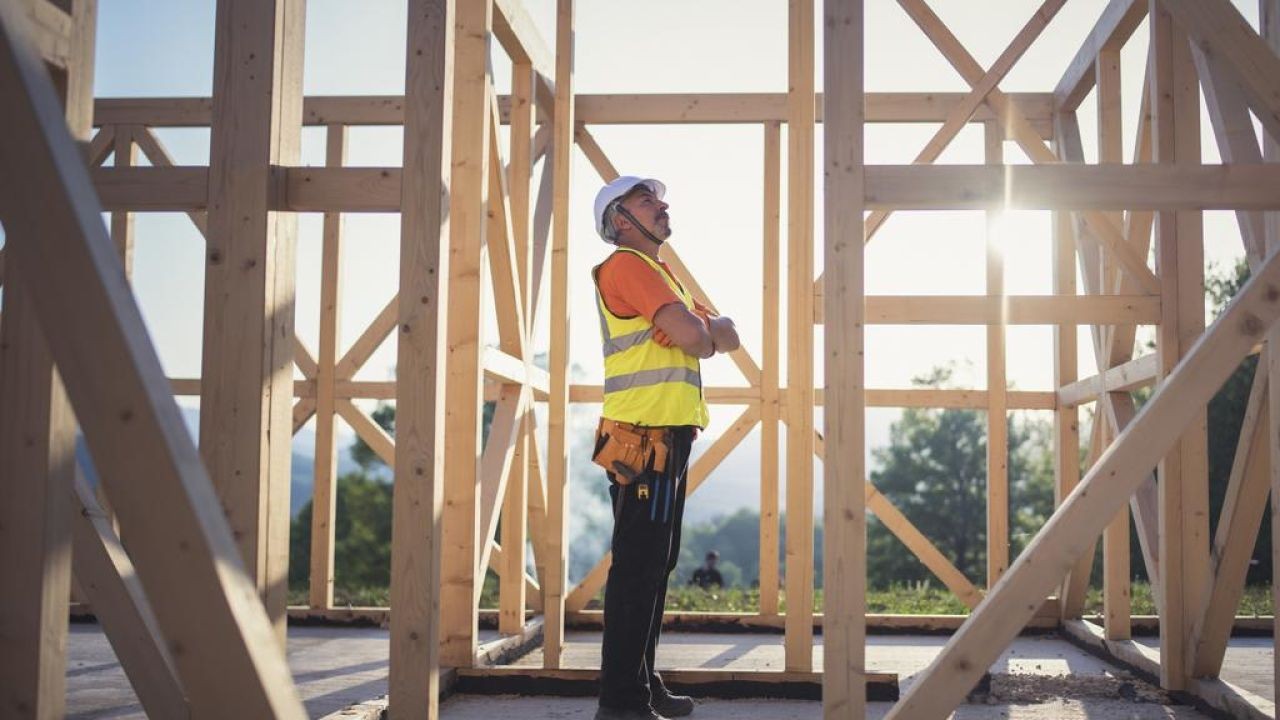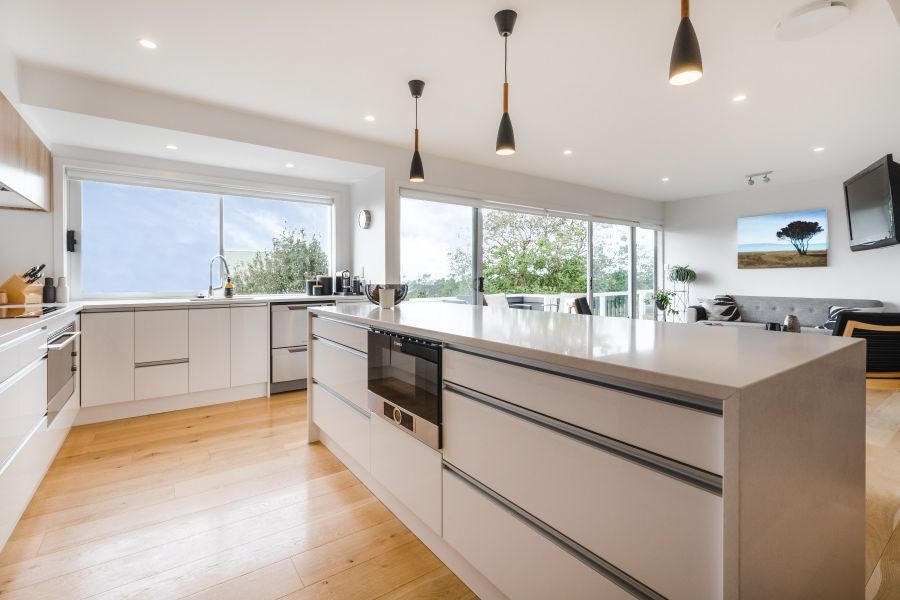






The Australian residential housing market is poised for a transformation by 2025, driven by a confluence of economic factors, technological advancements, and shifting consumer preferences. As we delve into this topic, we'll explore the historical context of housing trends in Australia, analyze current data, and provide insights into what the future may hold for homeowners, investors, and policymakers.
The Evolution of Australia's Housing Market
Australia's housing market has undergone significant changes over the past few decades. In the early 2000s, the market experienced a boom, fueled by low interest rates and robust economic growth. However, the Global Financial Crisis of 2008 disrupted this trajectory, leading to a period of stagnation.
By 2020, the COVID-19 pandemic introduced new dynamics. Lockdowns and remote work reshaped housing preferences, with a marked shift towards suburban and regional areas as people sought more space and lower costs. The Reserve Bank of Australia (RBA) responded with record-low interest rates, further stimulating demand.
Current Trends and Data Insights
Today, Australia's housing market is characterized by a complex interplay of factors. According to the Australian Bureau of Statistics (ABS), property prices in major cities like Sydney and Melbourne have seen a resurgence, with a 12% increase reported in 2024 alone. This outpaces wage growth and raises concerns about affordability.
A significant trend is the rise of technology in real estate transactions. Virtual tours, AI-driven property evaluations, and digital mortgage processes have become standard, providing convenience for buyers and sellers alike. This digital transformation is expected to continue shaping the market landscape.
Regulatory Environment and Economic Policies
The Australian Competition & Consumer Commission (ACCC) and the Australian Prudential Regulation Authority (APRA) play crucial roles in maintaining market stability. Recently, APRA has tightened lending standards to mitigate financial risks, particularly for first-time homebuyers who are often most vulnerable to market fluctuations.
Government policies, such as the First Home Owner Grant and stamp duty concessions, aim to promote affordability. However, experts argue that these measures may inadvertently contribute to price inflation by boosting demand without addressing supply constraints.
Case Study: Innovative Solutions in the Housing Sector
Case Study: Metricon Homes – Embracing Sustainable Construction
Problem: Metricon Homes, a leading homebuilder in Australia, faced challenges with rising construction costs and environmental concerns.
- The company struggled with traditional building methods that increased waste and energy consumption.
- According to industry data, sustainable construction techniques can reduce costs by up to 15%.
Action: Metricon Homes implemented sustainable building practices, utilizing prefabricated materials and energy-efficient designs.
- They partnered with local suppliers to source eco-friendly materials.
- The initiative included educating buyers about the long-term benefits of sustainable homes.
Result: After two years, Metricon Homes achieved significant improvements:
- Construction costs decreased by 10%.
- Customer satisfaction ratings improved by 30%.
- Energy consumption in new homes was reduced by 25%.
Takeaway: This case study highlights the effectiveness of sustainable construction in the housing sector. Australian builders can apply these insights to enhance efficiency and meet environmental goals.
Future Trends: What Lies Ahead?
Looking forward, several key trends are expected to influence Australia's housing market by 2025:
- Continued Urban Sprawl: As remote work remains popular, suburban and regional areas will likely see sustained growth.
- Technological Integration: AI and blockchain technologies will further streamline buying and selling processes, enhancing transparency and efficiency.
- Policy Shifts: Potential tax reforms and environmental regulations could redefine investment strategies and construction practices.
According to a recent report by Deloitte, by 2028, 40% of Australian homes will incorporate smart technologies, reflecting a broader trend towards connected living environments.
Common Myths and Mistakes in Housing Investment
- Myth: "Buying a home is always a safe investment." Reality: While traditionally seen as a secure investment, housing markets can be volatile. Diversification and thorough market research are crucial.
- Myth: "Property prices only go up." Reality: Economic downturns and policy changes can lead to price corrections. Investors must consider long-term trends.
- Myth: "Renting is throwing money away." Reality: Renting can offer flexibility and financial advantages, especially in high-priced markets.
Conclusion
As Australia navigates the complexities of its housing market, stakeholders must stay informed and adaptable. By embracing sustainable practices, leveraging technology, and understanding regulatory impacts, they can make strategic decisions that align with future trends.
For those looking to invest or buy in Australia's real estate market, the coming years will require a keen understanding of both historical context and emerging innovations. As always, informed decision-making will be key to success.
People Also Ask
- How does technology impact Australia's housing market? Technology streamlines transactions and enhances transparency. AI-driven evaluations and virtual tours are key tools improving buyer experiences.
- What are the biggest misconceptions about the housing market? Many believe property prices only rise, but market volatility and economic shifts can cause fluctuations.
- Who benefits the most from sustainable housing? Homeowners and the environment benefit from lower energy costs and reduced carbon footprints, making it a strategic focus for builders.
Related Search Queries
- Australia housing market trends 2025
- Sustainable building practices in Australia
- Impact of technology on real estate
- Regulatory changes in Australian housing
- Future of Australian housing market
- Smart home technology adoption in Australia
- APRA lending standards 2025
- First Home Owner Grant Australia 2025
- Urban sprawl trends in Australia
- Property investment strategies Australia
For the full context and strategies on Video Insights into Australia’s Residential Housing Trends 2025, see our main guide: Commercial Property Videos Australia.