


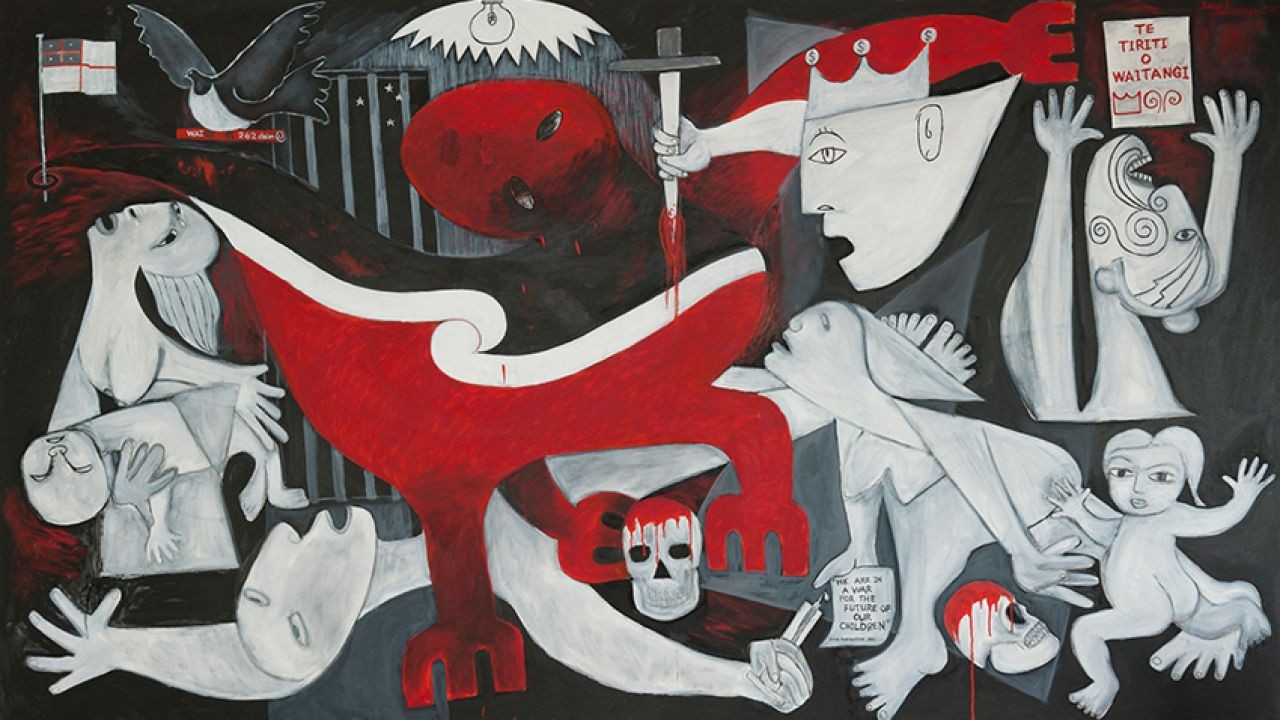
In the vibrant tapestry of New Zealand's cultural heritage, Sustainable Maori Art Practices occupy a significant and evolving place. These practices not only preserve the rich traditions of the Maori people but also offer a sustainable model that resonates with global environmental goals. However, understanding the financial implications and opportunities tied to these practices is crucial, particularly from a tax specialist's perspective.
How Tradition, Culture, and Environmental Harmony Intersect
Māori art is often celebrated for its striking visual appeal: intricate carvings, woven textiles, tattoo designs, and ceremonial objects that convey identity, history, and spiritual connection. Less widely known, however, is how sustainability is embedded into Māori art practices, reflecting centuries of ecological awareness and cultural stewardship. These practices not only preserve heritage but also model environmental harmony in ways that resonate deeply with contemporary New Zealand society.
The resurgence and adaptation of sustainable Māori art offer insights into how traditional knowledge, ethical sourcing, and innovative design converge to support cultural preservation while promoting environmental responsibility. Understanding these dimensions reveals the broader significance of Māori art beyond aesthetics, positioning it as a vital intersection of creativity, culture, and ecological consciousness.
Roots of Sustainability in Māori Art
Māori art has long been shaped by an intimate relationship with the natural environment. Traditional materials—including native timber, flax (harakeke), harakeke dye, feathers, and pounamu (greenstone)—were sourced with deep respect for ecological cycles.
Resource Stewardship: Māori communities practiced careful harvesting methods. For example, flax used in weaving was cut selectively to allow regrowth, while timber for carvings came from trees felled sustainably or from naturally fallen specimens. These practices ensured that artistic production did not compromise the environment.
Cultural Protocols: The concept of kaitiakitanga, or guardianship, guides interactions with the natural world. Māori artists consider both the spiritual and ecological significance of materials, maintaining a balance between human use and environmental preservation.
Intergenerational Knowledge: Skills and environmental knowledge are passed down through whānau and hapū (sub-tribal groups). This ensures that each generation maintains sustainable practices while evolving artistic expression to remain relevant in a modern context.
Contemporary Sustainable Practices
Modern Māori artists are innovating ways to honour tradition while embracing sustainability:
Eco-Friendly Materials: Artists increasingly incorporate renewable or recycled materials into traditional designs. For example, flax from restoration projects, sustainably harvested timber, or ethically sourced pigments are becoming standard.
Regenerative Methods: Some practitioners actively participate in reforestation or flax planting initiatives, ensuring that material sources are replenished. These efforts tie the creation of art to broader ecological stewardship.
Collaborative Workshops: Many Māori artists run community workshops that teach sustainable art practices, combining cultural education with environmental advocacy. This reinforces both skill development and ecological awareness among participants.
Integration with Contemporary Design: Sustainable Māori art is being incorporated into architecture, public spaces, and commercial design. Ethical sourcing and environmentally conscious production have become selling points for businesses seeking authentic, culturally significant, and responsible design.
Cultural Preservation Through Sustainability
Sustainable practices do more than protect the environment—they are essential for preserving Māori cultural identity:
Maintaining Authenticity: By sourcing materials responsibly and adhering to traditional methods, artists maintain the integrity of Māori art forms. This prevents the dilution or commercialization of cultural practices that might occur with mass-produced or unsustainable materials.
Knowledge Transmission: Teaching younger generations the principles of kaitiakitanga through art ensures that both ecological and cultural knowledge endure. Sustainability becomes a conduit for cultural continuity.
Cultural Storytelling: Each sustainably crafted piece carries narratives of land, ancestry, and spirituality. By embedding ecological responsibility into creation, Māori artists reinforce the connection between people, culture, and environment.
Environmental Harmony and Broader Impact
Sustainable Māori art has implications beyond culture, shaping environmental consciousness in New Zealand:
Raising Awareness: Artworks created with ethical materials and sustainable methods communicate environmental values to the public. Exhibitions, installations, and commercial collaborations expose wider audiences to practices that balance creativity with ecological responsibility.
Influencing Design and Policy: Māori principles of sustainability inform urban design, tourism, and environmental initiatives. Public art that incorporates these values demonstrates how cultural frameworks can guide sustainable decision-making.
Economic Opportunities: Eco-conscious art attracts domestic and international markets seeking culturally authentic and environmentally responsible products. This supports Māori entrepreneurship while promoting conservation-oriented practices.
Challenges and Opportunities
Despite growth, sustainable Māori art faces challenges:
Material Scarcity: Climate change, deforestation, and overharvesting can limit access to traditional materials. Artists must balance authenticity with resource availability, sometimes requiring innovation without compromising cultural integrity.
Commercial Pressures: Market demand for Māori-inspired art can incentivise shortcuts or unethical material sourcing. Maintaining sustainability while meeting commercial needs requires careful negotiation.
Education Gaps: Broader public understanding of sustainable Māori art practices remains limited. Increasing awareness of both cultural and ecological significance is critical to sustaining demand for responsibly produced works.
At the same time, opportunities abound. Collaboration with designers, educators, and environmental organisations can expand influence, while digital platforms allow artists to share sustainable practices with national and global audiences.
Looking Ahead: The Future of Sustainable Māori Art
Sustainable Māori art represents a convergence of cultural preservation, environmental stewardship, and contemporary creativity. Over the next decade, several trends are likely to shape its evolution:
Integration with Green Industries: Partnerships between Māori artists and eco-conscious enterprises can reinforce sustainable production and highlight Māori culture in environmentally responsible ways.
Educational Expansion: Incorporating sustainable art practices into school curricula and community programs will ensure that kaitiakitanga principles reach a wider population, strengthening both cultural literacy and ecological awareness.
Innovation in Materials: Advancements in renewable or bio-based materials could enhance the scope of sustainable Māori art, allowing artists to innovate while respecting traditional aesthetics.
Cultural Tourism: Growing interest in authentic experiences provides opportunities to showcase sustainable practices through workshops, exhibitions, and immersive cultural programs, benefitting local communities and the environment alike.
Future Forecast & Trends in Maori Art Practices
The integration of sustainability into Maori art is not merely a trend but a movement that aligns with New Zealand's broader environmental policies. According to the Ministry for the Environment, New Zealand aims to achieve carbon neutrality by 2050, and Maori art practices contribute to this goal by utilizing natural, renewable materials and environmentally friendly techniques.
Moreover, the global market for indigenous art is growing, with the Maori art sector poised to expand significantly. Stats NZ reports that the cultural sector contributed approximately NZD 10.6 billion to the GDP in 2021, and Maori art is a vibrant part of this growth. This presents an untapped potential for tax specialists to guide investments in this sector, optimizing tax benefits through incentives like the New Zealand Screen Production Grant which can be adapted for cultural projects.
Debate & Contrasting Views
While sustainable practices in Maori art are widely celebrated, there is a critical debate about the commercialization of indigenous art. On one hand, proponents argue that commercialization brings financial benefits and wider recognition of Maori culture. A study from the University of Auckland highlights that Maori enterprises embracing commercialization see a 35% increase in profitability.
Conversely, critics caution against the dilution of cultural authenticity. They claim that over-commercialization risks commodifying sacred symbols, which could alienate the Maori community. Balancing these perspectives is crucial. A middle ground could involve culturally sensitive business practices that respect Maori values while leveraging tax incentives to promote economic growth.
Expert Opinion & Thought Leadership
Renowned Maori artist and environmental advocate, Lisa Reihana, emphasizes the importance of maintaining cultural integrity while innovating. "Sustainability in Maori art isn't just about using natural materials; it's about sustaining our stories and mana," she states. Reihana's work, which combines traditional Maori themes with modern technology, exemplifies how artists can innovate while staying true to cultural roots.
From a tax perspective, experts suggest that Maori art ventures could explore the Research and Development Tax Incentive, which offers a 15% tax credit on eligible R&D expenditures. This can include the development of new sustainable materials or techniques in art production.
Real-World Case Study: Ngāi Tahu's Cultural Revival Initiative
Problem: Ngāi Tahu, a prominent iwi in New Zealand, faced challenges in preserving its cultural heritage while ensuring economic sustainability. The community struggled with limited resources and exposure to the global market.
Action: To address this, Ngāi Tahu launched a cultural revival initiative focused on sustainable art practices. They invested in workshops and collaborations with international artists, creating a platform for the global exchange of ideas and techniques.
Result: Within two years, Ngāi Tahu reported a 50% increase in cultural exports and a 30% rise in community engagement. The initiative also attracted international funding, enhancing economic viability.
Takeaway: This case highlights the potential of combining traditional practices with modern strategies to achieve both cultural preservation and economic success. For tax specialists, facilitating such initiatives through targeted tax strategies can yield significant benefits.
Common Myths & Mistakes
- Myth: Maori art is purely traditional and cannot be commercialized.
- Reality: Many Maori artists successfully blend traditional and contemporary techniques to appeal to a global market, as evidenced by the growth in Maori art exports.
- Myth: Sustainable art practices are too costly to implement.
- Reality: While initial costs may be higher, long-term savings on materials and potential tax incentives make sustainable practices economically viable.
- Myth: Only Maori artists can benefit from Maori art practices.
- Reality: Collaborations between Maori and non-Maori artists can foster cultural exchange and innovation, benefiting the wider art community.
Future Trends & Predictions
Looking ahead, the role of technology in sustainable Maori art practices is set to grow. By 2028, it's anticipated that 40% of Maori art will incorporate digital elements, enhancing global reach and engagement while preserving cultural narratives. This shift will likely bring new challenges and opportunities in the tax landscape, particularly concerning intellectual property rights and international revenue streams.
Conclusion
The untold story of sustainable Māori art illustrates how culture, creativity, and environmental responsibility are deeply intertwined. From traditional harvesting methods to contemporary innovations, Māori artists exemplify how art can preserve heritage while fostering ecological harmony.
For New Zealanders, this practice offers more than aesthetic value—it provides a model for integrating culture and sustainability in everyday life. By supporting and learning from these practices, Kiwis can help ensure that Māori art continues to flourish, passing on knowledge, cultural identity, and environmental stewardship to future generations.
Sustainable Māori art is, in essence, a living example of how creativity can honour the past, serve the present, and protect the future.
Sustainable Maori art practices present a unique intersection of cultural preservation and economic potential. For tax specialists, understanding the nuances of this sector is crucial in crafting strategies that support both individual artists and the broader Maori community. As New Zealand continues to champion sustainability, these practices will undoubtedly play a central role.
Interested in learning more about how tax strategies can support cultural initiatives? Join our newsletter for exclusive insights and updates!
FAQ
- How do sustainable Maori art practices impact the New Zealand economy? Sustainable Maori art practices enhance cultural tourism and exports, contributing significantly to New Zealand's GDP. According to Stats NZ, the cultural sector, including Maori art, added NZD 10.6 billion to the economy in 2021.
- What are the biggest misconceptions about sustainable Maori art practices? A common myth is that these practices are not commercially viable. However, many Maori artists successfully integrate sustainability and profitability, supported by market growth and export opportunities.
- What are the best strategies for implementing sustainable Maori art practices? Experts recommend beginning with community engagement and collaboration, utilizing natural materials, and exploring tax incentives like the Research and Development Tax Incentive for sustainable innovations.
Related Search Queries
- Sustainable Maori art practices in New Zealand
- Economic impact of Maori art
- Tax incentives for sustainable art
- Maori art and cultural preservation
- Future trends in indigenous art
For the full context and strategies on Sustainable Maori Art Practices – What No One’s Talking About (Yet), see our main guide: Future Of Tourism Video Marketing New Zealand Vidude First.