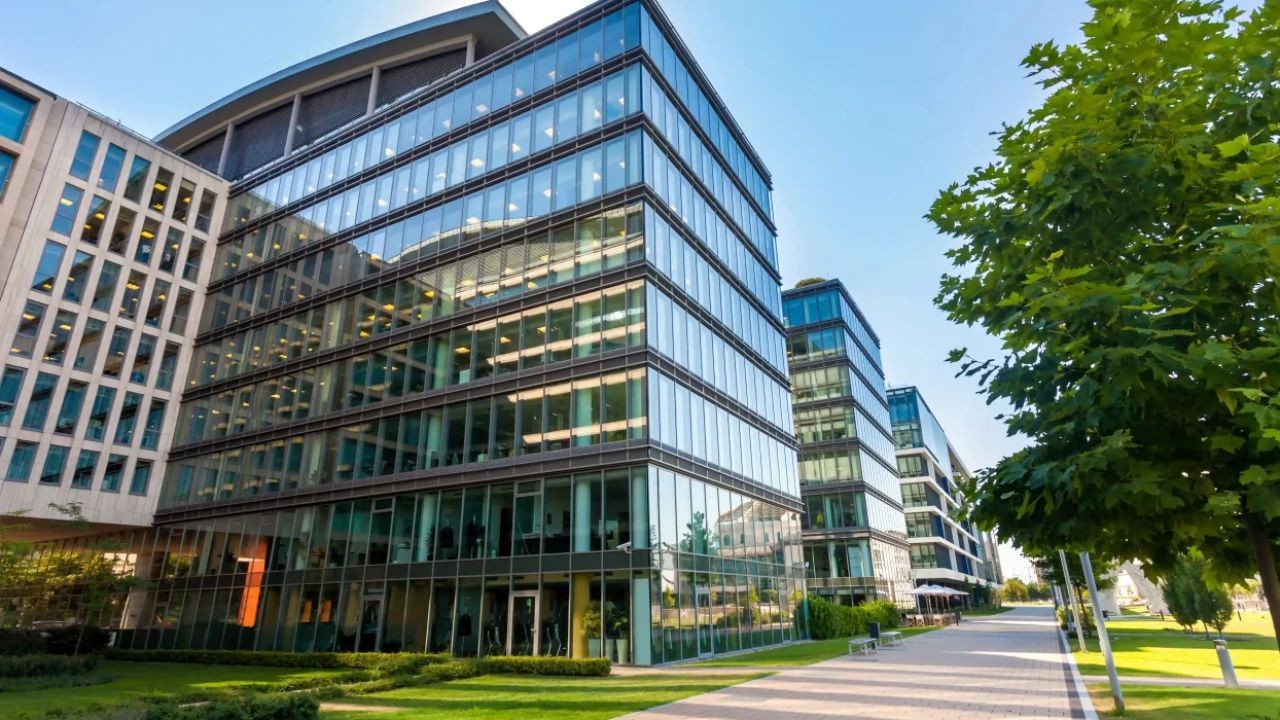







Video marketing has emerged as a cornerstone of property development sales strategy, particularly in the dynamic Australian market. However, the tactics that truly drive high-value sales are often misunderstood or misapplied. In the context of Australia's unique economic landscape and regulatory environment, property developers and agents must leverage video marketing with precision and insight.
Understanding the Australian Property Market
The Australian property market is characterized by sharp fluctuations and regional variations. According to the Australian Bureau of Statistics (ABS), property prices in major cities like Sydney and Melbourne have seen dramatic increases over recent years, with Sydney experiencing a 12% rise in property prices in 2024. This growth, however, has not been uniform, with regional areas showing a slower pace. The Reserve Bank of Australia (RBA) has also highlighted the role of low-interest rates in fueling property investment, creating a competitive environment where effective marketing is essential.
Why Video Marketing?
In a digital-first world, video marketing offers a dynamic way to engage potential buyers, showcasing properties in a manner that static images or text cannot. The immersive nature of video allows for a detailed representation of a property's features, its surroundings, and lifestyle opportunities it offers. For property developers and agents in Australia, video marketing can be the difference between a quick sale and a prolonged listing.
Key Video Marketing Tactics
1. Virtual Tours and 360-Degree Videos
Virtual tours and 360-degree videos have revolutionized the way properties are marketed. By offering a comprehensive view of a property, potential buyers can explore homes from the comfort of their own space. This is particularly beneficial in Australia's sprawling urban centers, where commuting between potential properties can be time-consuming.
2. Drone Footage for Aerial Views
Drone footage provides a unique perspective, showcasing not just the property but its location and nearby amenities. In cities like Melbourne, known for its blend of urban and natural landscapes, drone footage can highlight proximity to parks, schools, and transport links, which are crucial selling points.
3. Storytelling Through Video
Effective video marketing isn't just about showing properties; it's about telling a story. This involves creating a narrative around the property that resonates with potential buyers. Whether it's the historical significance of a heritage site in Sydney or the modern luxury of a Brisbane penthouse, storytelling can create an emotional connection with viewers.
Case Study: Successful Video Marketing in Action
Case Study: Luxury Developments in Sydney
One notable example is a luxury property developer in Sydney who faced challenges in a saturated market. By implementing a comprehensive video marketing strategy, including high-quality virtual tours and drone footage, the developer was able to differentiate their properties from competitors. As a result, they reported a 35% increase in inquiries and a 20% faster sales cycle.
Pros and Cons of Video Marketing in Property Development
Pros:
- Higher Engagement: Videos are more engaging than photos or text, leading to higher conversion rates.
- Wider Reach: Videos can be easily shared across social media platforms, reaching a broader audience.
- Enhanced Buyer Experience: Virtual tours and drone footage provide a more comprehensive view of the property.
Cons:
- High Production Costs: Creating high-quality videos can be expensive and time-consuming.
- Technical Challenges: Requires technical expertise to produce and edit videos effectively.
- Platform Limitations: Not all real estate platforms support video content.
Common Myths and Mistakes in Video Marketing
Myth: "More videos mean more sales." Reality: Quality trumps quantity. A single, well-produced video can be more effective than multiple low-quality ones.
Myth: "Drone footage is just a gimmick." Reality: Drone footage provides valuable context and can highlight a property's location advantage, particularly in sprawling Australian suburbs.
Future Trends in Video Marketing for Property Development
As technology evolves, so too will video marketing strategies. Augmented reality (AR) and virtual reality (VR) are poised to become mainstream tools, allowing potential buyers to experience properties in an even more immersive way. According to a report by Deloitte, by 2028, AR and VR could become standard in property marketing, offering interactive experiences that engage buyers on a deeper level.
Conclusion
In the competitive Australian property market, video marketing is not just an option—it's a necessity. By utilizing advanced video techniques and focusing on quality content, property developers and agents can connect with buyers more effectively, driving higher-value sales. As the market continues to evolve, embracing new technologies and strategies will be key to staying ahead. Are you ready to revolutionize your property marketing approach?
People Also Ask
How does video marketing impact property sales in Australia? Video marketing enhances property sales by providing immersive experiences, increasing engagement, and reaching a wider audience, leading to faster sales cycles.
What are the biggest misconceptions about video marketing in real estate? A common misconception is that more videos mean better sales. However, quality content is more effective than quantity.
Related Search Queries
- Real estate video marketing strategies
- Best practices for property video marketing
- How to create real estate video tours
- Impact of video marketing on property sales
- Drone footage in real estate marketing
For the full context and strategies on Agent-Developer Video Marketing Tactics That Drive High-Value Sales in AU, see our main guide: Property Development Videos Australia.