



In an era where digital transformation is reshaping industries, the Australian real estate market finds itself at a fascinating intersection of innovation and tradition. One of the most compelling trends that have emerged in recent years is the collaboration between real estate agents and developers through video content to showcase high-end projects. This trend, driven by technological advancements and changing consumer expectations, is not just a fleeting fad but an evolution of marketing strategies in the real estate sector. Yet, its effectiveness remains a subject of critical analysis, especially when considering the unique economic and regulatory landscape of Australia.
Historical Context and Current Trends
The use of video in real estate is not a novel concept. However, its strategic importance has escalated in the post-pandemic world. The Australian Bureau of Statistics (ABS) reported a significant increase in internet usage during the pandemic, which has continued to grow, suggesting a permanent shift in consumer behavior towards digital platforms. This shift has propelled real estate marketers to leverage video content as a primary medium for engagement.
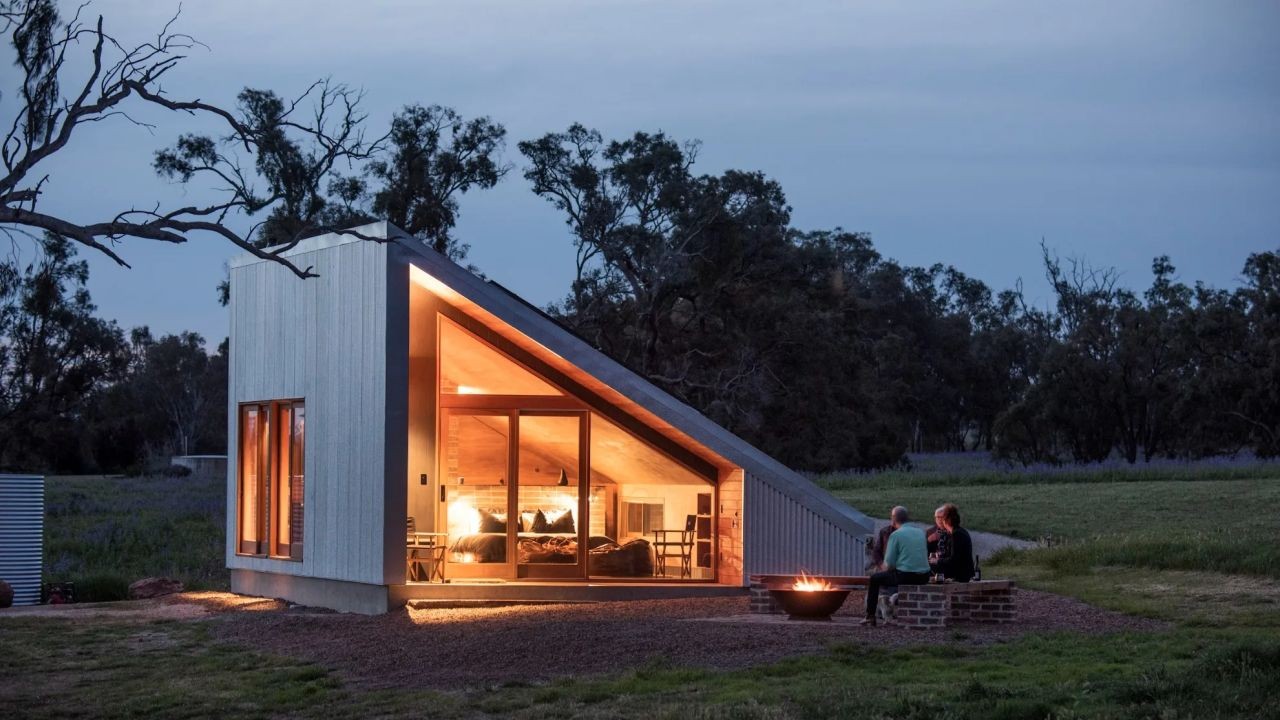
Traditionally, high-end real estate marketing relied heavily on glossy brochures and exclusive open houses. However, the digital age demands more dynamic content delivery methods. Video collaborations between agents and developers offer immersive experiences that static images simply cannot. These videos often provide virtual tours, drone footage of properties, and lifestyle narratives that portray not just a property but a way of living, appealing to both local and international buyers.
Case Study: Luxe Developments - A Digital Success Story
Problem: Luxe Developments, a luxury real estate developer in Sydney, faced challenges in engaging potential buyers during the pandemic when physical property tours were restricted. The traditional marketing methods weren't yielding the desired traction.
Action: Partnering with a leading real estate agency, Luxe Developments launched a series of high-quality, cinematic video tours of their new projects. Utilizing advanced drone technology and professional storytelling, they showcased properties in a way that highlighted both architectural beauty and the surrounding lifestyle.
Result: Within six months, Luxe Developments reported a 35% increase in inquiries and a 20% boost in sales conversions. The campaign's success was attributed to the videos' ability to reach a broader audience, including international buyers who couldn't visit due to travel restrictions.
Takeaway: This case study underscores the effectiveness of video collaborations in enhancing property visibility and engagement in a competitive market. It also highlights the potential for such strategies to transcend geographical barriers, a crucial factor in today's globalized economy.
The Role of Technology and Innovation
Video marketing in real estate is being revolutionized by technology. From virtual reality (VR) tours to augmented reality (AR) enhancements, these tools are transforming the way properties are presented. According to industry insights from the Property Council of Australia, there is a growing trend towards adopting these technologies to create more interactive and personalized buying experiences.
Moreover, artificial intelligence (AI) is playing a pivotal role in analyzing consumer data to tailor video content, ensuring it resonates with specific target demographics. This personalization is crucial in the high-end market, where buyers' expectations are significantly higher.
Regulatory Insights and Economic Implications
While the benefits of video marketing are clear, developers and agents must navigate the regulatory landscape carefully. The Australian Competition & Consumer Commission (ACCC) stresses the importance of transparency in advertising, especially in real estate. Misleading representations in video content could lead to severe penalties, emphasizing the need for ethical marketing practices.
Economically, the Reserve Bank of Australia (RBA) notes that the real estate sector is a vital component of the national economy, contributing significantly to GDP. Therefore, innovative marketing strategies like video collaborations are not just beneficial for individual businesses but also for sustaining economic growth.
Common Myths and Mistakes
- Myth: "Video marketing is too costly for small agencies." Reality: Advances in technology have made video production more affordable. Agencies can start with basic equipment and gradually scale up.
- Myth: "Videos don't influence serious buyers." Reality: High-quality videos provide a comprehensive view of properties, often shortening the decision-making process for buyers.
- Myth: "All video content needs to be professionally produced." Reality: Authentic, relatable content can be equally effective, especially when targeting younger demographics.
Future Trends and Predictions
The future of real estate marketing in Australia will likely see further integration of digital and physical experiences. By 2028, it is projected that over 60% of high-end property transactions will involve some form of digital marketing as a primary strategy, according to Deloitte Real Estate Insights. This trend will be driven by advancements in AI and VR technologies, offering even more immersive and personalized experiences for potential buyers.
Conclusion
As the Australian real estate market continues to evolve, the collaboration between agents and developers through video content stands out as a pivotal strategy. Not only does it cater to the digital-savvy consumer, but it also aligns with the broader economic and technological trends shaping the industry. For those in the real estate sector, embracing this trend is not just an option but a necessity for staying competitive. What's your take on this digital shift? Share your thoughts and experiences below!
People Also Ask
- How does video marketing impact real estate in Australia? Video marketing enhances property visibility and engagement, leading to a reported 35% increase in inquiries for some developers, according to industry insights.
- What are the biggest misconceptions about real estate video marketing? A common myth is that video marketing is too costly, but advances in technology have made it accessible and effective, even for smaller agencies.
- What upcoming changes in Australia could affect real estate marketing? By 2028, policy updates may enhance digital marketing strategies, with over 60% of transactions predicted to involve digital marketing as a primary tool.
Related Search Queries
- Real estate video marketing trends in Australia
- Digital transformation in Australian real estate
- Impact of AI on real estate marketing
- Future of luxury real estate in Australia
- Innovative marketing strategies for real estate
- Regulatory issues in Australian real estate marketing
- Economic impact of digital real estate marketing
- Case studies of successful real estate video marketing
- Virtual reality in real estate tours
- Real estate marketing challenges in Australia
For the full context and strategies on Showcasing High-End Projects Through Agent-Developer Video Collaborations in AU, see our main guide: Luxury Real Estate Videos Australia.