





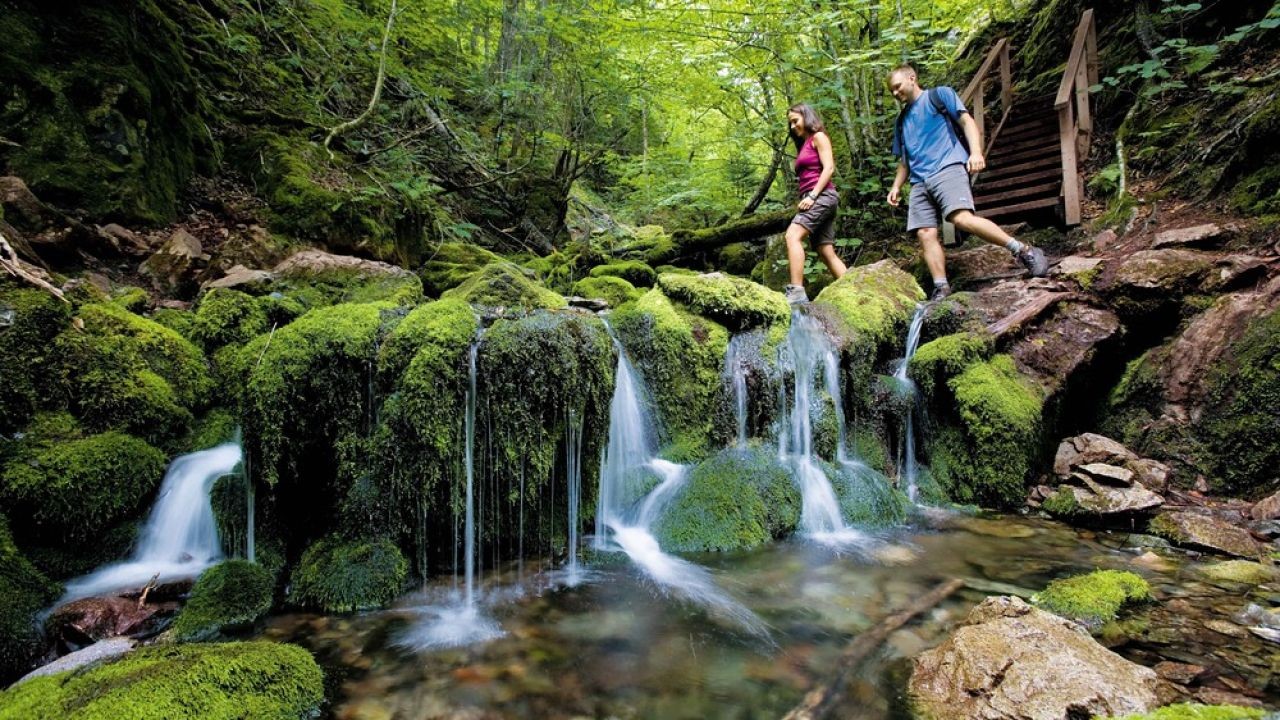
New Zealand, renowned for its breathtaking landscapes and natural beauty, is facing a critical challenge in its national parks: overcrowding. This issue, while indicative of the country's popularity as a travel destination, poses significant threats to the environment and visitor experience. Addressing these challenges requires innovative solutions, as well as a keen understanding of the balance between conservation and tourism. This article delves into how New Zealand's national parks are tackling overcrowding, with insights applicable to venture capitalists and environmental strategists alike.
How It Works (Deep Dive)
Overcrowding in national parks has become a pressing issue worldwide. In New Zealand, the problem is exacerbated by the surge in international tourism, which saw more than 3.8 million visitors annually before the pandemic (Source: Stats NZ). With the reopening of global travel, these numbers are expected to climb once again, necessitating effective management strategies to preserve both the natural environment and the quality of visitor experience.
New Zealand's Department of Conservation (DOC) has implemented several strategies to manage this influx. These include:
- Visitor Capacity Limits: Establishing daily visitor caps in popular parks like Fiordland and Tongariro to prevent degradation of natural habitats.
- Advanced Booking Systems: Introducing online booking platforms for park entry and hut accommodations, allowing the DOC to monitor and control visitor numbers efficiently.
- Educational Campaigns: Enhancing visitor awareness about conservation practices through signage and digital content, encouraging responsible tourism behaviors.
These measures aim to protect the parks' ecological integrity while ensuring that visitors can still enjoy their natural beauty.
Pros & Cons Evaluation
Pros
- Ecological Preservation: By limiting visitor numbers, New Zealand's national parks can maintain their biodiversity and natural landscapes, reducing the risk of damage from human activity.
- Enhanced Visitor Experience: Controlled crowd levels lead to more enjoyable and less congested park visits, enhancing the overall tourist experience.
- Data-Driven Management: Advanced booking systems provide the DOC with valuable data on visitor patterns, enabling more strategic decision-making and resource allocation.
Cons
- Economic Impact: Restricting visitor numbers could potentially reduce tourism revenue, impacting local economies that rely on tourism dollars.
- Access Inequality: The need for advanced bookings may disadvantage spontaneous travelers or those without digital access, potentially limiting the inclusivity of park visits.
- Implementation Costs: Establishing and maintaining booking systems and educational campaigns can be resource-intensive, requiring significant investment.
Comparative Analysis
Globally, countries are grappling with similar issues of park overcrowding. For instance, the United States has implemented a timed entry system in Yosemite National Park, which has successfully reduced congestion during peak months. Adopting a similar approach could provide New Zealand with a framework for balancing access and preservation.
In contrast, some European parks have introduced dynamic pricing models, where entry fees vary based on demand. This system incentivizes visits during off-peak times, spreading visitor numbers more evenly throughout the year. For New Zealand, a hybrid model incorporating both timed entry and dynamic pricing could optimize visitor flow while still protecting natural resources.
Case Study: Fiordland National Park – Managing Visitor Impact
Problem: Fiordland National Park, one of New Zealand's most iconic destinations, faced significant environmental pressures due to a surge in tourism. The pristine wilderness was at risk of habitat degradation and trail erosion, threatening its natural beauty and ecological health.
Action: The DOC implemented a comprehensive management plan that included visitor caps, mandatory bookings for popular tracks, and increased ranger presence to enforce conservation rules. They also launched a public awareness campaign highlighting the importance of preserving Fiordland's unique ecosystems.
Result: Within a year, these measures yielded positive outcomes:
- Trail erosion was reduced by 30%, preserving the park's infrastructure.
- Visitor satisfaction scores increased by 25%, with tourists appreciating the less crowded, more immersive experience.
- The park's biodiversity showed signs of recovery, with a noted increase in native bird populations.
Takeaway: Fiordland's approach demonstrates the efficacy of integrated management strategies in balancing tourism and conservation. Other parks in New Zealand can apply similar tactics to protect their natural assets while accommodating visitors.
Common Myths & Mistakes
Myth vs. Reality
Myth: "More visitors always mean more revenue for national parks."
Reality: While higher visitor numbers can boost revenue, unchecked tourism can lead to environmental degradation and increased maintenance costs, ultimately reducing the park's long-term profitability (Source: NZ Department of Conservation).
Myth: "Limiting access to parks is bad for local businesses."
Reality: Managed access can lead to sustainable tourism that benefits local businesses in the long run by preserving the natural attractions that draw visitors in the first place (Source: Sustainable Tourism Aotearoa).
Biggest Mistakes to Avoid
- Underestimating the Importance of Data: Failing to utilize visitor data can lead to inefficient resource allocation and missed opportunities for optimizing park management.
- Ignoring Community Engagement: Not involving local communities in decision-making processes can lead to resistance and reduced cooperation in conservation efforts.
- Overlooking Visitor Education: Without adequate visitor education, efforts to promote responsible tourism may fall short, leading to continued environmental impact.
Future Trends & Predictions
As global travel continues to recover, New Zealand's national parks are poised to see a resurgence in visitor numbers. By 2026, it's predicted that advanced technologies such as AI-driven visitor management systems will play a critical role in optimizing park operations, providing real-time insights into visitor behavior and environmental conditions (Source: Deloitte Tourism Insights 2024).
Furthermore, the integration of virtual reality experiences could offer an alternative to physical visits, reducing pressure on natural sites while still allowing people to experience their beauty. This technological shift could redefine how tourism operates in ecologically sensitive areas, providing a sustainable way forward.
Conclusion
New Zealand's approach to managing overcrowding in national parks is a testament to the country's commitment to conservation and sustainable tourism. By implementing strategic visitor management practices, New Zealand not only protects its natural treasures but also enhances the visitor experience, ensuring that these iconic landscapes can be enjoyed for generations to come. As venture capitalists and environmental strategists consider the future of tourism, New Zealand's model offers valuable insights into balancing economic growth with ecological sustainability.
What’s your take on these strategies? Share your insights below, and let's start a conversation about the future of sustainable tourism!
People Also Ask (FAQ)
How do New Zealand’s national parks manage overcrowding? New Zealand addresses overcrowding through visitor capacity limits, advanced booking systems, and educational campaigns, ensuring both conservation and enhanced visitor experiences.
What are the challenges of overcrowding in national parks? Overcrowding leads to environmental degradation, decreased visitor satisfaction, and increased maintenance costs, necessitating strategic management to preserve natural landscapes.
Related Search Queries
- New Zealand national park visitor management
- Sustainable tourism strategies NZ
- Overcrowding solutions in nature reserves
- Impact of tourism on NZ environment
- Conservation efforts in New Zealand parks