




In recent years, the intersection of technology and healthcare has been redefining the landscape of medical training in Australia. Medical simulation and instructional videos have emerged as pivotal tools in this transformation, offering a dynamic approach to education and training in clinics across the country. This article delves into the impact of these technologies on medical training, supported by data, expert insights, and real-world applications.
The Rise of Medical Simulation in Australian Clinics
Medical simulation technology has seen a significant rise in adoption across Australian healthcare facilities. This growth is driven by the need for enhanced training methods that offer realistic, risk-free environments for practitioners to hone their skills. According to the Australian Bureau of Statistics, the healthcare and social assistance sector is the largest employer in Australia, accounting for 14% of total employment in 2022. This underscores the critical need for effective training solutions to maintain high standards of care.
Case Study: Monash Health's Simulation Program
Problem: Monash Health, one of Australia's largest healthcare providers, faced challenges in ensuring consistent clinical skills across its workforce.
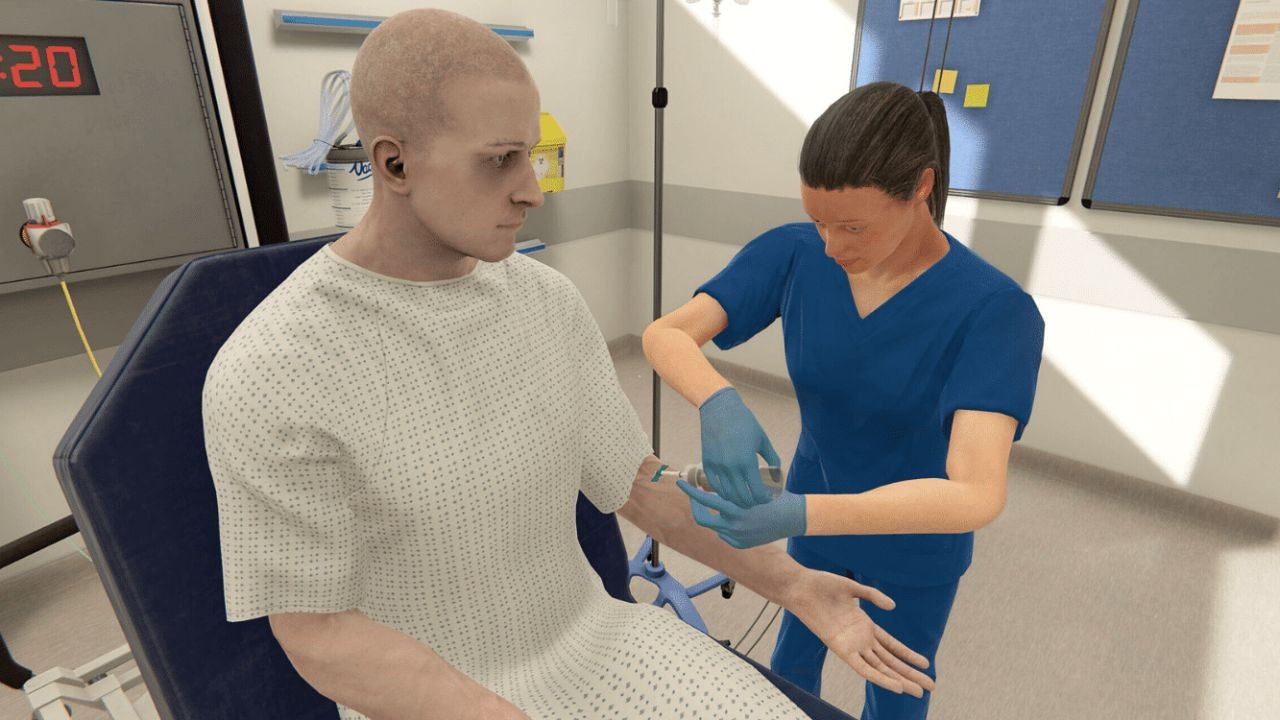
Action: They implemented a comprehensive simulation program, utilizing high-fidelity mannequins and virtual reality environments to train staff in complex procedures.
Result: Over a year, Monash Health reported a 30% improvement in clinical performance metrics and reduced error rates by 25%, enhancing patient outcomes.
Takeaway: This case highlights the value of simulation in bridging the gap between theoretical knowledge and practical application.
The Role of Instructional Videos in Medical Training
Instructional videos have become an integral part of continuous medical education, offering flexibility and accessibility to learning materials. The COVID-19 pandemic accelerated the adoption of video-based training, with many clinics leveraging platforms such as Medflix and Vumedi for on-demand learning.
Pros and Cons of Instructional Videos
- Pros: Cost-effective, scalable, and accessible anytime, anywhere. They allow for repeated viewing, aiding retention and understanding.
- Cons: Limited interactivity and potential for passive learning if not complemented with practical application.
Impact on the Australian Healthcare Industry
Medical simulation and instructional videos are not just enhancing training; they are also aligning with broader healthcare objectives in Australia. The Federal Government's Health Workforce Strategy aims to build a sustainable, well-trained workforce to meet future health challenges. By integrating these technologies, clinics can ensure their staff are well-prepared, ultimately contributing to better health outcomes and system efficiency.
Future Trends and Predictions
Looking ahead, the integration of artificial intelligence (AI) in medical simulations is poised to revolutionize training further. AI can personalize learning experiences, adapting scenarios based on individual performance. Deloitte predicts that by 2027, AI-driven simulations could reduce training costs by up to 40% while increasing effectiveness.
Globally, the trend toward virtual reality (VR) in medical training is gaining momentum, with applications in surgery, patient interaction, and crisis management. Australia is well-positioned to leverage these advancements, given its robust healthcare infrastructure and focus on innovation.
Common Myths About Medical Training Technologies
- Myth: Simulation training is too expensive for widespread use.
- Reality: While initial costs can be high, simulations reduce long-term expenses by minimizing errors and improving care efficiency.
- Myth: Instructional videos are not as effective as in-person training.
- Reality: Studies show that video learning can be equally effective when combined with practical exercises.
Biggest Mistakes to Avoid
- Failing to integrate simulations into ongoing training programs can lead to skills depreciation.
- Over-reliance on videos without interactive components may hinder skill acquisition.
- Ignoring the need for regular updates to training materials can result in outdated practices.
Conclusion
Medical simulation and instructional videos are transforming the training landscape for Australian clinics. By embracing these technologies, healthcare providers can improve training outcomes, enhance patient care, and align with national health objectives. As the healthcare industry continues to evolve, staying ahead with innovative training solutions will be crucial for sustaining excellence.
Call to Action: What strategies have you implemented in your clinic to enhance training and education? Share your experiences and insights in the comments below!
Related Search Queries
- Benefits of medical simulation in healthcare
- Top simulation technologies for medical training
- Impact of instructional videos on medical education
- Future trends in healthcare training in Australia
- AI applications in medical simulation
People Also Ask
How does medical simulation impact healthcare in Australia?
Medical simulation enhances healthcare in Australia by improving clinical skills, reducing errors, and aligning with national health objectives, as evidenced by a 30% improvement in clinical performance metrics at Monash Health.
What are the biggest misconceptions about medical simulation?
One common myth is that simulation training is too expensive for widespread use. However, it reduces long-term costs by enhancing care efficiency and minimizing errors.
For the full context and strategies on Medical Simulation & Instructional Videos for Aussie Clinics, see our main guide: Medical Clinic Videos Australia.