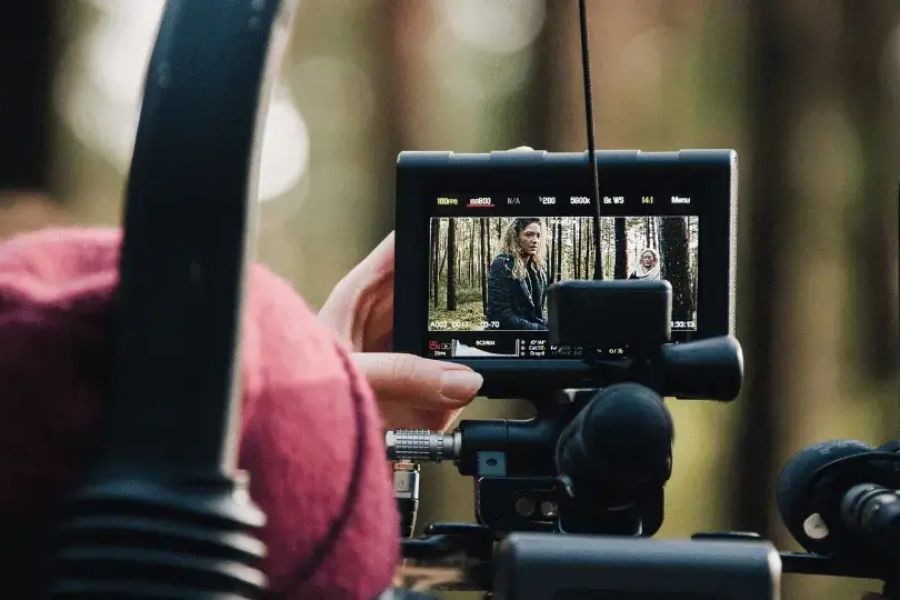






In Australia’s evolving education landscape, video storytelling is transforming how seminars, lectures, and training sessions are delivered. Traditional slides and static lectures often struggle to hold attention in an age of short attention spans and digital media dominance. By integrating video storytelling techniques, educators and seminar presenters can connect emotionally, simplify complex concepts, and inspire lasting learning outcomes.
From university lecture halls in Sydney to professional development workshops in Melbourne, the combination of narrative-driven video content and interactive teaching is reshaping the educational experience across the nation.
What Is Video Storytelling in Education?
Video storytelling is the art of using visual narratives—through scenes, characters, and emotion—to communicate ideas in a way that resonates with learners. Rather than presenting information as static data, video storytelling weaves facts into engaging stories that the brain naturally remembers and relates to.
In educational seminars or lectures, this might include:
Real-life case studies told through short video segments
Documentary-style introductions to new topics
Animated explainers that visualize difficult theories
Testimonial videos from students or professionals
Interactive stories that allow learners to influence outcomes
These elements combine to make learning immersive, memorable, and impactful.
Why Video Storytelling Works: The Science Behind Engagement
Studies in cognitive science consistently show that humans are wired for stories. We remember narrative information up to 22 times better than isolated facts, and visual content can increase comprehension by up to 400% (according to research from the Social Science Research Network and 3M).
Here’s why video storytelling works so well in educational seminars:
Emotional connection – Stories trigger empathy, curiosity, and motivation, making content more relatable.
Multi-sensory engagement – Video combines audio, visuals, and motion, stimulating multiple parts of the brain.
Simplified complexity – Through metaphors and examples, storytelling breaks down abstract or technical information.
Better retention – Learners are more likely to recall stories than bullet points or raw data.
Inclusive accessibility – Video can include captions, sign language, or translations to reach diverse audiences.
Benefits of Video Storytelling in Australian Educational Contexts
Australia’s education system—spanning universities, vocational institutes (TAFE), and corporate training—has rapidly adopted digital tools. Yet, video storytelling stands out because it aligns perfectly with modern learners’ expectations and cultural diversity.
🎓 1. Boosting Student Engagement
Video storytelling captures attention in ways static slides can’t. Whether it’s a historical re-enactment in a humanities lecture or a simulated patient story in medical training, stories create emotional anchors that keep learners invested.
🌏 2. Supporting Diverse Learning Styles
Australia’s classrooms are among the most multicultural in the world. Video storytelling accommodates visual, auditory, and kinesthetic learners, bridging cultural and linguistic gaps by showing rather than telling.
💡 3. Enhancing Concept Retention
Narrative-based videos help cement key points. For instance, engineering students might better remember safety protocols when shown through dramatized scenarios rather than text-heavy manuals.
📱 4. Integrating Seamlessly with Digital Platforms
Video content integrates easily into LMS (Learning Management Systems) such as Moodle, Canvas, or Blackboard. Educators can embed interactive storytelling elements, quizzes, or discussion prompts directly into lessons.
🧠 5. Encouraging Critical Thinking
Stories naturally invite reflection: What happened? Why did it matter? What can we learn? This supports critical analysis and discussion, essential skills in higher education and professional development.
How to Incorporate Video Storytelling into Seminars and Lectures
Implementing video storytelling doesn’t require Hollywood-level production. With a clear structure and message, even short clips can create lasting impact. Here’s how to begin:
1. Define Your Educational Goal
Start with your learning objectives. Ask:
What do I want learners to understand, feel, or do after watching?
How can a story illustrate that point better than a slide?
2. Develop a Strong Narrative Arc
Structure your video around the classic story model:
Introduction: Present the challenge or question
Conflict: Show the struggle or problem
Resolution: Reveal the insight, discovery, or learning outcome
3. Use Real-World Case Studies
Australian audiences respond well to local context. Incorporate:
Examples from Australian industries
Interviews with local experts or students
Indigenous storytelling elements where culturally appropriate
4. Blend Storytelling with Interactivity
Encourage engagement through:
Live polls or quizzes after video segments
Group discussions on story outcomes
Reflective exercises or role-play scenarios
5. Keep It Authentic
Authenticity builds trust. Avoid overly scripted or stock footage-heavy videos. Instead, feature real educators, students, and environments to reflect Australia’s genuine diversity.
Tools and Technologies for Video Storytelling in Education
Educators in Australia can leverage accessible technologies to craft professional-looking videos:
| Tool | Purpose | Example |
|---|---|---|
| Canva / Biteable | Animated explainer videos | Great for short educational intros |
| Adobe Premiere Rush | Video editing for lecturers | Quick edits with captions and branding |
| Powtoon | Cartoon storytelling | Engaging for younger or general audiences |
| OBS Studio / Camtasia | Screen recording & narration | Ideal for online lecture storytelling |
| Loom / Zoom Recordings | Personal storytelling | Combine face-to-camera and slides easily |
These tools integrate smoothly with online teaching platforms like Moodle, Canvas, Google Classroom, and Teams for Education.
Case Example: Video Storytelling in an Australian University
At The University of Melbourne, educators in the Faculty of Business and Economics began using short narrative videos to introduce case studies. Instead of traditional PowerPoint slides, they produced short films dramatizing real-world management dilemmas.
The results?
Attendance in seminars rose by 28%
Post-lecture retention scores improved by 35%
Student feedback emphasized greater “connection to real life” and “enjoyable learning experiences”
This case highlights how storytelling fosters both engagement and comprehension, regardless of discipline.
Challenges and Best Practices
While video storytelling is powerful, it’s essential to approach it strategically:
✅ Best Practices
Keep videos short (3–7 minutes) per concept
Use captioning for accessibility and inclusivity
Align every story with your learning outcomes
Involve students in content creation to encourage active learning
Respect cultural sensitivities when including Indigenous stories
⚠️ Common Challenges
Overproduction can distract from learning goals
Poor audio or visuals can reduce credibility
Lack of accessibility features (captions, transcripts) can exclude learners
Future Trends: The Next Wave of Educational Storytelling
As Australia invests heavily in digital education and EdTech innovation, new storytelling tools are emerging:
AI-driven video generation allows faster content creation
Interactive 360° videos offer immersive, hands-on learning
Virtual and augmented reality are making storytelling fully experiential
Data analytics now track engagement and comprehension in real time
These technologies point toward a future where storytelling and education are inseparable.
Conclusion
Video storytelling is more than a teaching trend—it’s a proven educational strategy that turns lectures and seminars into dynamic learning experiences. For educators and institutions across Australia, embracing storytelling means moving beyond information delivery to create emotional, memorable, and transformative learning journeys.
Whether you’re a university lecturer, TAFE trainer, or corporate educator, integrating narrative-driven video content can inspire learners, boost retention, and future-proof your teaching methods.
Enhance educational seminars and lectures in Australia with video storytelling techniques. Discover how narrative-driven videos can boost engagement, improve retention, and transform learning outcomes.
Suggested Keywords
Video storytelling in education
Educational seminars Australia
Engaging lectures with video
Digital storytelling techniques
Learning engagement strategies
Video-based learning AU
Interactive education tools
Storytelling in Australian universities
For the full context and strategies on Video Storytelling for Educational Seminars and Lectures in AU, see our main guide: Australian Education Training.