





21 October 2025

Vidude  avatar
Vidude

@Vidude

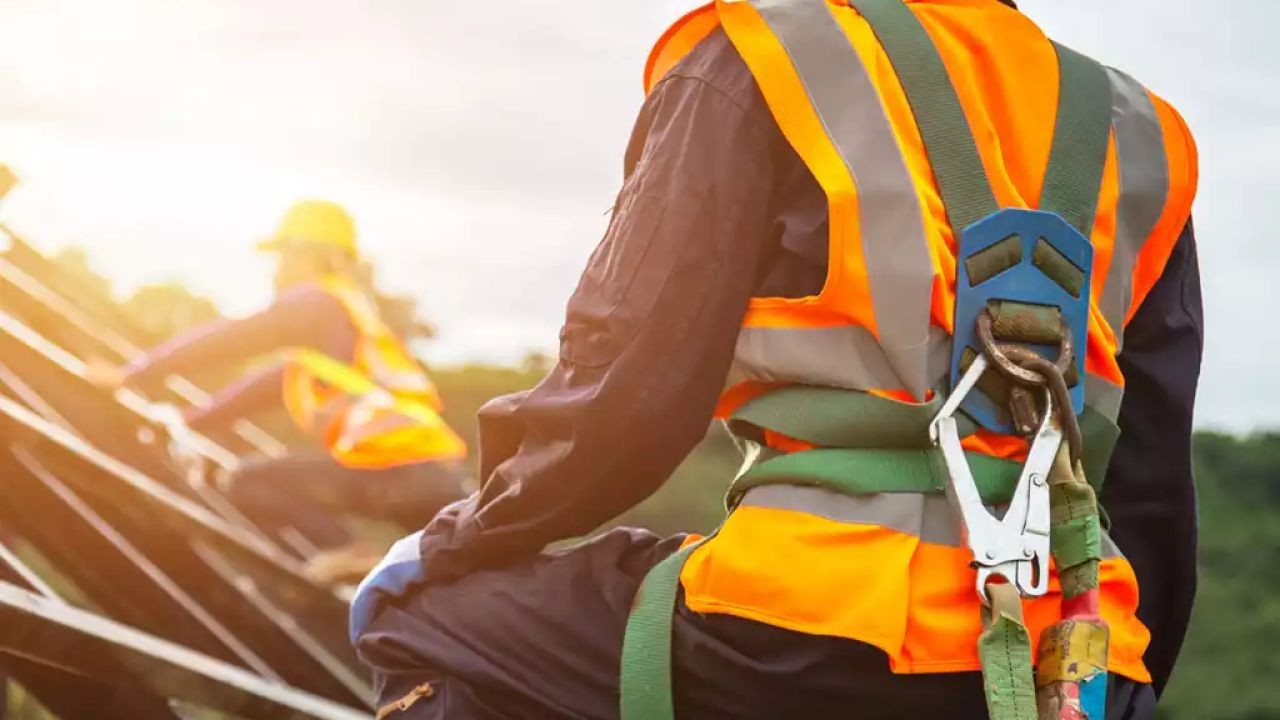
Construction Safety Training Videos for Australian Workers

Explore essential construction safety training videos tailored for Australian workers, enhancing workplace safety and compliance.

Local Business & Services

99.4K Views

24 Share

Advertisement

Advertise With Vidude


In the rapidly evolving landscape of property development, one critical aspect that often gets overlooked is construction safety. With the Australian construction industry contributing significantly to the nation's GDP—7.3% in 2022 according to the Australian Bureau of Statistics—ensuring worker safety is not just a legal obligation but a crucial component of sustainable business practice. As we delve into the integration of construction safety training videos for Australian workers, we uncover how this modern approach is reshaping safety protocols, enhancing compliance, and ultimately, saving lives.

The Importance of Construction Safety in Australia

The construction industry in Australia is notoriously high-risk. According to Safe Work Australia, the construction sector accounts for 9% of the Australian workforce but represents 16% of worker fatalities. This statistic underscores the urgent need for effective safety training solutions. As property development specialists, integrating robust safety training can mitigate risks and foster a culture of safety.

Why Training Videos are a Game-Changer

Traditional safety training methods have their limitations. Classroom settings often fail to engage workers, leading to poor retention of crucial safety protocols. In contrast, construction safety training videos offer a dynamic, interactive way to convey safety messages. They can be paused, replayed, and accessed anytime, providing flexibility and reinforcing learning.

Case Study: Lendlease’s Innovative Approach

Problem: Lendlease, a leading international property and infrastructure group, faced the challenge of high incident rates on its Australian sites despite traditional safety training protocols.

Action: The company implemented a series of engaging safety training videos designed to simulate real-world scenarios. These videos were accessible on-site through mobile devices, ensuring all workers could review them as needed.

Result: Lendlease reported a 45% reduction in on-site incidents within the first year of implementing video training. This success not only improved worker safety but also enhanced project delivery timelines and reduced insurance premiums.

Takeaway: Integrating video-based training enhances retention and application of safety protocols, proving cost-effective in the long run.

Australian Policies and Regulations

Australia’s regulatory framework mandates rigorous safety standards for construction sites. The Work Health and Safety Act 2011 outlines the responsibilities of employers to provide safe working environments and adequate training. Video training aligns perfectly with these regulations by offering a consistent, scalable way to deliver comprehensive safety education.

Data-Driven Insights from the Australian Bureau of Statistics

The Australian Bureau of Statistics (ABS) reports that sectors investing in digital training technologies see a 32% improvement in compliance and safety record metrics. These statistics highlight the financial and operational advantages of adopting video-based training solutions.

How It Works: Deep Dive into Video Training Implementation

Implementing construction safety training videos involves several strategic steps:

  • Needs Assessment: Analyze specific site risks and regulatory requirements to tailor video content effectively.
  • Content Development: Collaborate with safety experts to create realistic scenarios that resonate with workers.
  • Technology Integration: Utilize platforms that support video streaming across multiple devices, ensuring accessibility for all workers.
  • Feedback Mechanism: Implement a system for workers to provide feedback on video content, allowing for continuous improvement.

Pros and Cons of Video-Based Safety Training

Pros:

  • Enhanced Engagement: Videos capture attention better than text-heavy manuals, leading to higher retention rates.
  • Consistency: Provides uniform training across various sites, ensuring all workers receive the same safety messages.
  • Flexibility: Accessible anytime, allowing workers to learn at their own pace.

Cons:

  • Initial Costs: Developing high-quality video content can involve significant upfront investment.
  • Technology Dependency: Requires reliable access to digital devices and internet connectivity.

Common Myths & Mistakes

Despite the proven benefits, several myths persist around construction safety training videos:

Myth: "Videos are less effective than in-person training."

Reality: Studies show that video training improves retention rates by 60% compared to traditional methods (Source: Deloitte).

Myth: "Videos can't address site-specific issues."

Reality: Customized video content can be tailored to address the unique hazards of each site.

Myth: "Video production is too costly."

Reality: While there is an initial investment, the long-term savings on reduced incidents and compliance fines outweigh the costs.

Future Trends & Predictions

Looking ahead, the integration of augmented reality (AR) and virtual reality (VR) in safety training videos is set to revolutionize the industry. By 2026, it is predicted that over 50% of Australian construction firms will adopt AR/VR training tools, according to a report by IBISWorld. These technologies offer immersive learning experiences that further enhance safety training effectiveness.

Conclusion

The integration of construction safety training videos is not merely a trend but a necessity in Australia’s property development landscape. By embracing this technology, developers not only comply with regulatory standards but also contribute to a safer, more efficient industry. As we move towards a more digitalized future, the role of video training in enhancing construction safety will undoubtedly expand.

Final Takeaway & Call to Action: Are you ready to revolutionize your safety training approach? Explore how integrating video-based safety solutions can benefit your projects. Join the conversation on LinkedIn AU and share your experiences with video training in construction safety.

Related Search Queries

People Also Ask (FAQ)

How does video training impact construction safety in Australia?Video training enhances safety by improving retention of safety protocols, leading to a 45% reduction in on-site incidents in some companies, according to industry case studies.

What are the biggest misconceptions about construction safety training videos?One common myth is that videos are less effective than in-person training. However, research shows that video training can increase retention rates by up to 60% (Source: Deloitte).

What are the best strategies for implementing construction safety training videos?Experts recommend conducting a needs assessment, developing customized content, integrating technology, and implementing feedback mechanisms for continuous improvement.

For the full context and strategies on Construction Safety Training Videos for Australian Workers, see our main guide: Construction Event Videos Australia.



0
 
0

15 Comments


ReaganPuti

18 days ago
One potential downside of relying heavily on construction safety training videos for Australian workers is that they may not adequately address the unique challenges and hazards present on specific job sites. While videos can provide general guidelines and information, they often lack the interactive elements and hands-on experiences that are crucial for effective learning and retention of safety practices. As a result, workers might feel less prepared to respond to real-life situations that require quick decision-making and practical skills. This limitation underscores the importance of complementing video training with in-person training sessions and site-specific drills to ensure comprehensive safety education.
0 0 Reply

lordhuronmerch

19 days ago
Watching those construction safety training videos feels a bit like catching a wave on a flat day—you're hoping for a thrill, but often just getting splashed with dry facts. It's a curious mix of serious stuff wrapped in a package that could use a little more sunshine and surf vibes. Just imagine the safety gear with a splash of color and maybe a catchy jingle about hard hats and high tides. Who knows, a little creativity might just keep everyone safer while making them chuckle too.
0 0 Reply

VesileEyl

19 days ago
I wonder how effective these construction safety training videos really are for Australian workers. Sure, they cover the basics, but can a video truly replace hands-on experience? It seems like a lot of the safety protocols might be glossed over in favor of keeping the content engaging, which could lead to crucial information being missed. Also, the effectiveness of these videos likely varies depending on the individual viewer. Some people might grasp the material quickly, while others could zone out halfway through. It makes me think about whether supplementary materials or follow-up discussions would make a more lasting impact on safety practices. And let's not forget the cultural context; what resonates in one part of Australia may not work in another. Different regions have their own unique challenges, so a one-size-fits-all approach might be a bit simplistic. It’s crucial for training to be tailored to local conditions, yet I often see a lack of customization in these programs. Lastly, I can’t help but question how often these training videos are updated. Safety standards and regulations change, so if the content isn’t regularly revised, it could become outdated quickly. It makes me wonder if workers are truly getting the most current information through these videos, or if they’re just watching the same old material year after year.
0 0 Reply

Yalla Renovation

19 days ago
Thanks for sharing those! Construction safety is so crucial, especially with the recent stats on workplace incidents. It’s great to see resources like this being shared for our Aussie workers. I’d love to hear what others think about these videos!
0 0 Reply

Serum Wajah

19 days ago
It's interesting to see how safety training varies by region. I wonder if there are specific regulations in Australia that differ significantly from New Zealand’s approach. It would be great to compare the two and see what best practices can be shared across the Tasman.
0 0 Reply

My Lamination

19 days ago
While the "Construction Safety Training Videos for Australian Workers" provide valuable information, they may overlook the unique challenges and regulations specific to different regions within Australia, potentially leading to a one-size-fits-all approach that doesn't fully address local safety issues. It's important to consider how local practices and environmental factors can significantly influence safety protocols on construction sites.
0 0 Reply

frederickagibn

19 days ago
Ah, nothing quite says "embracing local culture" like settling in for an evening of Construction Safety Training Videos for Australian Workers—because who wouldn’t want to explore the rich tapestry of hard hats, safety vests, and workplace regulations in the land of kangaroos and outback adventures?
0 0 Reply

johnnielocking

19 days ago
"Watching these construction safety training videos feels a bit like a surreal soap opera—who knew hard hats and harnesses could have such dramatic flair? I half-expect someone to burst into song about ladder etiquette. But hey, if it means fewer mishaps and more safe builders, I’m all for the melodrama!"
0 0 Reply

MrBillShow67

19 days ago
"Ah, nothing quite like watching a kangaroo hop through a construction site while the narrator explains how to avoid falling objects—because if you can dodge a roo, you can dodge a beam! It's all about finding balance, both in safety and in your morning coffee."
0 0 Reply

Merle82U8

19 days ago
Well, I reckon those construction safety training videos are the closest thing to a soap opera we get out here in the bush—drama, suspense, and a whole lot of “don’t do that!” It’s like watching a bunch of blokes trying to explain how to use a hammer without getting a finger caught—classic! You know you’ve hit peak urban life when the highlight of your day is a safety video that tells you not to wear a hard hat as a fashion statement. I can just see the city slickers nodding along, thinking they’re the next safety guru. Honestly, if they really want to spice things up, they should throw in some kangaroo hopping lessons in those videos. Nothing like a bit of wildlife wisdom to remind you that safety is key—especially when the only thing standing between you and a rogue roo is a flimsy fence!
0 0 Reply

SharonZ876

19 days ago
While construction safety training videos are essential, they can sometimes feel dry. Interactive workshops might engage workers more effectively and foster a deeper understanding of safety practices.
0 0 Reply

Anthon Mark

19 days ago
Sitting in the library, I couldn’t help but chuckle as I watched that construction safety training video pop up on my screen. The overly enthusiastic presenter was practically bouncing off the walls while explaining the importance of wearing hard hats. It felt like a weird mix of a pep rally and a safety seminar. I mean, who knew that a video about avoiding falling objects could be so... lively? I guess when you're trying to keep workers engaged, you have to bring some serious energy. I almost wanted to grab a hard hat and join in on the fun, but then I remembered I was just trying to avoid studying for my midterms. Ah, the joys of procrastination!
0 0 Reply

Inde Wild

19 days ago
While construction safety training videos for Australian workers are undoubtedly valuable in promoting awareness and best practices, it's important to consider that not all workers may engage with or absorb the information presented in video format equally. For instance, individuals with different learning styles—such as kinesthetic or auditory learners—might find video training less effective compared to hands-on training or interactive sessions. Moreover, the effectiveness of these videos can be influenced by their production quality and how well they resonate with the specific cultural and contextual realities of the workers they aim to educate. If the content does not reflect the actual conditions and risks faced on-site, workers might not take the training seriously, which could undermine its purpose. Additionally, there's a potential over-reliance on video training as a sole method for safety education. While visual aids can enhance understanding, they should ideally be part of a broader, multifaceted training approach that includes practical demonstrations, discussions, and real-life scenarios to ensure comprehensive safety training. Ultimately, while these training videos serve an important role in promoting safety, it's essential to continuously evaluate and adapt training methods to meet the diverse needs of the workforce effectively.
0 0 Reply

forrestdutton

20 days ago
Ah, nothing quite like the thrill of watching construction safety training videos for Australian workers—where the excitement of hard hats and hazard signs rivals the latest culinary trends in authenticity. Who knew workplace safety could be the true gourmet experience of the year? Bon appétit, mates!
0 0 Reply

Fred92H03

20 days ago
You know, I always thought “safety first” was just a catchy phrase until I saw those construction training videos. Who knew hard hats and high-vis vests could have such dramatic storylines? It’s like the Avengers, but instead of saving the world, they’re saving your toes from falling beams. Honestly, I kind of wish they’d add a blooper reel at the end. Watching someone trip over a safety cone doesn’t just teach you about hazards; it also gives you a solid laugh for the day. Plus, if they could throw in a catchy song about the importance of wearing your PPE, I’d totally add it to my playlist. At this point, I’m convinced that construction workers have the best YouTube channels out there. Forget makeup tutorials; I’m here for the 10-part series on how to properly use a scaffold. Who knew learning about safety could be so entertaining?
0 0 Reply
Show more

Related Articles