



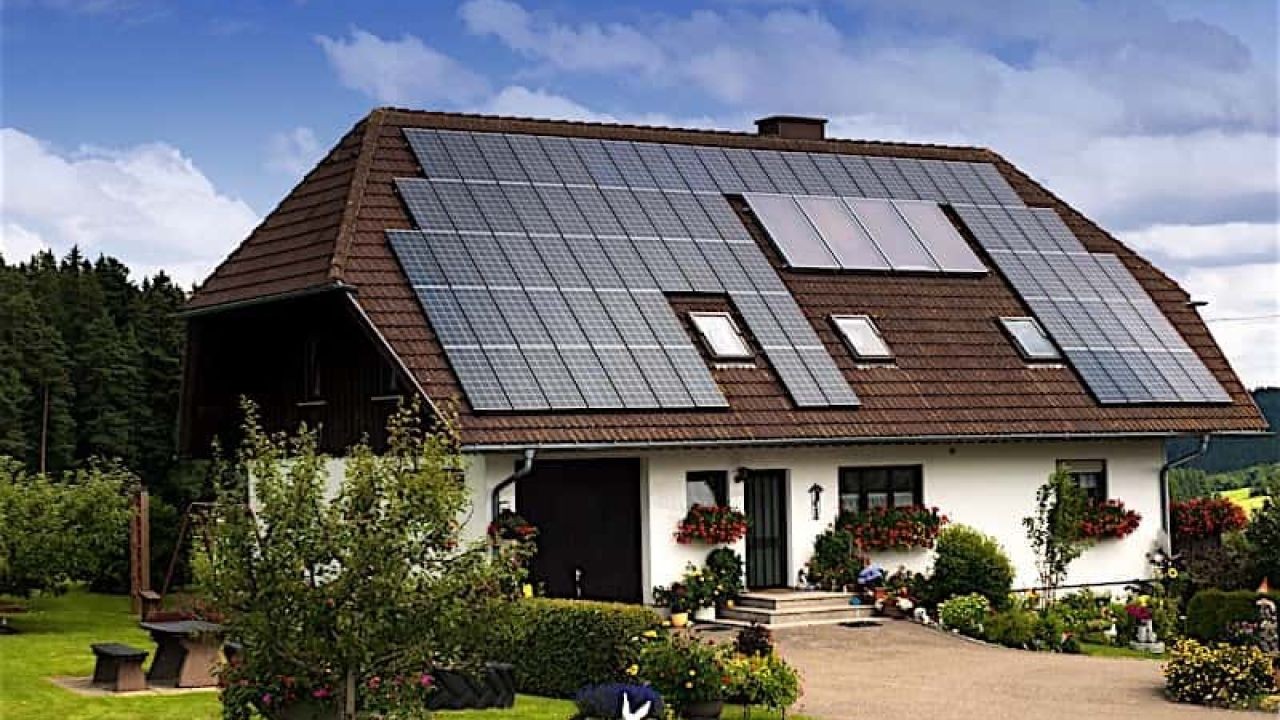
The shift towards sustainable property design in New Zealand is gaining momentum, driven by both environmental consciousness and economic necessity. With the real estate market facing challenges such as rising costs and regulatory changes, showcasing sustainable property design through video has emerged as a powerful tool. This article explores how New Zealand's property developers can leverage video to highlight sustainability, why it matters, and the potential impact on the local market.
Understanding the Significance of Sustainable Property Design in New Zealand
New Zealand, renowned for its stunning landscapes, is deeply committed to preserving its natural heritage. The government has been proactive in implementing policies that promote sustainability. According to Stats NZ, the construction industry is a significant contributor to the country's GDP, accounting for 6.5% in 2023. With such a substantial impact, integrating sustainable practices in property design is not just an environmental imperative but also an economic one.
Why Video is the Medium of Choice
In an era dominated by digital media, videos have become a compelling way to communicate complex concepts. For sustainable property design, video offers a dynamic platform to showcase eco-friendly features, energy efficiencies, and sustainable technologies in action. A report by MBIE highlights that 67% of New Zealanders prefer video content for learning about new products and services, underscoring the medium's effectiveness in engaging audiences.
Step-by-Step Guide to Showcasing Sustainable Property Design Through Video
1. Define Your Sustainability Story
Begin by identifying the key sustainable elements of your property. This could range from using renewable materials to energy-efficient systems. Your story should resonate with the values of your target audience, emphasizing how these elements contribute to a healthier and more sustainable lifestyle.
2. Craft a Compelling Narrative
Engage viewers by creating a narrative that weaves together the property’s sustainable features with real-world benefits. For instance, demonstrate how a solar panel installation not only reduces carbon footprint but also cuts energy bills by 30%. Case studies from local developments can provide relatable examples that resonate with Kiwi audiences.
3. Utilize High-Quality Production
Invest in professional video production to ensure high-quality visuals and sound. Drone footage can offer breathtaking views of the property and its surroundings, emphasizing its harmony with the environment. Interviews with architects or sustainability experts can add credibility and depth to the narrative.
4. Leverage Digital Platforms for Distribution
Maximize reach by distributing your video across multiple platforms. Use social media, real estate portals, and even local news outlets to showcase your property. According to a 2024 survey by NZTech, video content shared on social media sees a 48% higher engagement rate than text-based posts.
Real-World Case Study: Hobsonville Point Development
Problem: Hobsonville Point, a major urban development in Auckland, faced the challenge of integrating sustainable practices while maintaining affordability. The community sought to attract residents committed to sustainable living.
Action: The development team created a series of videos showcasing the project's sustainability initiatives, such as rainwater harvesting systems and green spaces. They highlighted the benefits of living in a community designed with environmental stewardship in mind.
Result: The video campaign led to a 40% increase in inquiries from prospective buyers. The development achieved higher occupancy rates and became a model for sustainable urban living in New Zealand.
Takeaway: Effective storytelling through video can significantly enhance the appeal of sustainable properties, meeting both ecological and market demands.
Common Myths & Mistakes
Myth: "Sustainable property design is too expensive."
Reality: While initial costs may be higher, sustainable designs often lead to long-term savings. A study by the University of Auckland found that sustainable buildings can reduce operational costs by up to 20% over their lifecycle.
Myth: "Eco-friendly features don’t add value."
Reality: Properties with sustainable certifications, such as Green Star, command higher resale values, as reported by the New Zealand Green Building Council.
Future Trends & Predictions
As New Zealand continues to prioritize sustainability, property developers who integrate eco-friendly designs will likely see increased demand. By 2028, it's predicted that 70% of new residential developments will incorporate sustainable features as standard practice, according to a report by the Reserve Bank of New Zealand.
Conclusion
Showcasing sustainable property design through video is not just a trend but a strategic imperative for New Zealand’s real estate industry. By effectively communicating the benefits of sustainability, developers can appeal to environmentally-conscious consumers and contribute to a more sustainable future. Ready to transform your property marketing? Start crafting your sustainability story today and engage your audience like never before.
People Also Ask
- How does sustainable property design impact the New Zealand market?
Sustainable design enhances property value and reduces operational costs, benefiting both developers and buyers.
- What are the biggest misconceptions about sustainable property design?
A common myth is that it's prohibitively expensive. However, long-term savings often outweigh initial costs.
Related Search Queries
- Sustainable architecture in New Zealand
- Eco-friendly housing NZ
- Benefits of green building
- Video marketing for real estate
- Trends in sustainable construction
For the full context and strategies on Showcasing Sustainable Property Design Through Video in New Zealand, see our main guide: Commercial Property Videos New Zealand.