






In an era of heightened environmental consciousness, the construction industry in New Zealand is witnessing a seismic shift towards sustainability. The surge in demand for energy-efficient homes is not merely a trend but a fundamental transformation propelled by a growing awareness of climate change and the necessity for sustainable living. As an investment banker, understanding the financial implications and opportunities presented by this shift is crucial. This article delves into the emerging trend of green building video guides showcasing energy-efficient homes in New Zealand, providing data-backed insights, strategic analysis, and investment opportunities.
The Rise of Green Building Video Guides in NZ
Video marketing has become a powerful tool in the real estate industry's arsenal, offering a visually compelling medium to showcase the features and benefits of green buildings. In New Zealand, where the government has set ambitious targets for reducing carbon emissions, these video guides are playing a pivotal role in educating consumers and investors alike.
According to the Ministry of Business, Innovation and Employment (MBIE), New Zealand's building sector is responsible for approximately 20% of the country's carbon emissions. This statistic underscores the critical need for energy-efficient construction practices. Video guides not only highlight the aesthetic and functional aspects of green homes but also emphasize their long-term cost savings, making them an attractive proposition for potential buyers and investors.
Step-by-Step Guide to Investing in Energy-Efficient Homes
For investment bankers looking to capitalize on this trend, here is a step-by-step guide:
1. Understand the Regulatory Landscape
New Zealand's Building Code has undergone significant changes to promote energy efficiency. Familiarize yourself with these regulations to identify compliant projects and avoid potential legal pitfalls.
2. Analyze Market Demand
Energy-efficient homes are increasingly sought after by environmentally conscious consumers. Utilize market research from organizations such as Stats NZ to gauge demand in specific regions and assess the potential for capital appreciation.
3. Evaluate Financial Incentives
The New Zealand government offers various incentives for sustainable construction, including grants and tax rebates. Factor these into your investment analysis to enhance returns.
4. Partner with Reputable Developers
Collaborate with developers experienced in sustainable construction to mitigate risks associated with project execution and ensure adherence to green building standards.
5. Leverage Technology for Marketing
Embrace video marketing strategies to effectively showcase the features and benefits of energy-efficient homes. Platforms like Vidude.com offer innovative tools for creating engaging and informative content.
Future Forecast & Trends
The green building sector in New Zealand is poised for exponential growth. According to a report by the Reserve Bank of New Zealand, the market for sustainable homes is expected to grow by 6% annually over the next decade. This growth is driven by a combination of regulatory support, consumer demand, and technological advancements in construction methods.
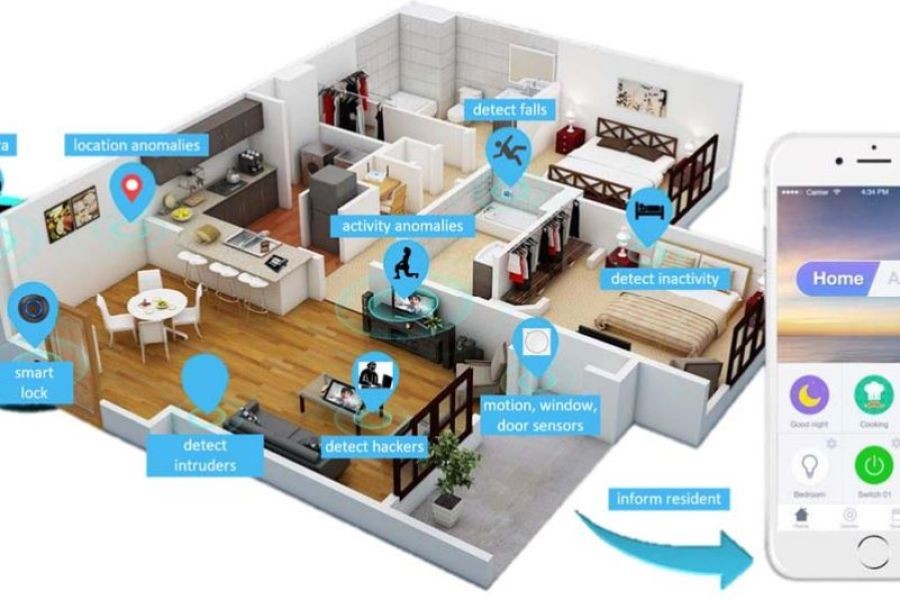
One emerging trend is the integration of smart home technologies with energy-efficient design. Homes equipped with IoT devices and energy management systems offer enhanced convenience and cost savings, appealing to tech-savvy consumers and investors alike. As these technologies become more accessible, their adoption is likely to accelerate, further boosting the appeal of green homes.
Case Study: The Sustainable Success of Homestar-Rated Homes
One notable example of successful green building initiatives in New Zealand is the Homestar rating system. Developed by the New Zealand Green Building Council, Homestar provides a comprehensive assessment of a home's sustainability, covering energy efficiency, water usage, and indoor environmental quality.
Problem: The conventional housing market in New Zealand faced challenges in meeting sustainability goals due to a lack of standardized metrics for energy efficiency.
Action: Homestar introduced a robust certification system that incentivized developers to incorporate sustainable practices. By providing a clear framework for assessing and communicating a home's green credentials, Homestar empowered consumers to make informed decisions.
Result: As of 2023, over 10,000 homes in New Zealand have achieved Homestar certification, resulting in significant reductions in energy consumption and carbon emissions. Homes with a Homestar rating have been shown to achieve a 20% higher resale value compared to non-rated homes, highlighting the financial benefits of sustainable building practices.
Takeaway: The success of Homestar demonstrates the viability of standardized rating systems in promoting sustainability within the housing market. Investors should consider the presence of such certifications when evaluating potential investments, as they offer a reliable indicator of a property's environmental performance and market appeal.
Data-Driven Report: Financial Implications of Sustainable Building
Investment in energy-efficient homes offers numerous financial benefits, from reduced operating costs to enhanced property values. A study by the University of Auckland found that energy-efficient homes in New Zealand experience a 15% reduction in utility costs annually, translating to substantial savings over the life of the property.
Moreover, the increasing demand for sustainable homes is driving up property values. According to Stats NZ, energy-efficient homes command a 7% premium in the market compared to traditional properties. This trend is expected to continue as more consumers prioritize sustainability in their purchasing decisions.
Pros and Cons of Investing in Energy-Efficient Homes
Pros:
- Higher ROI: Energy-efficient homes offer a higher return on investment due to reduced operational costs and increased market demand.
- Regulatory Incentives: Government incentives and rebates enhance the financial viability of sustainable investments.
- Market Resilience: The growing trend towards sustainability ensures long-term demand for energy-efficient homes.
- Positive Environmental Impact: Investing in green buildings contributes to reducing carbon emissions and promoting environmental sustainability.
Cons:
- Higher Initial Costs: The upfront investment for energy-efficient technologies and materials can be higher compared to traditional construction.
- Market Variability: The financial performance of green buildings can vary based on location and market conditions.
- Regulatory Complexity: Navigating the evolving regulatory landscape requires careful due diligence and expert guidance.
Debunking Myths and Common Mistakes
Myth vs. Reality
- Myth: "Energy-efficient homes are only for the wealthy."
- Reality: Advances in technology and government incentives have made sustainable homes more accessible to a broader demographic. A report by MBIE highlights that middle-income families are increasingly investing in energy-efficient properties.
- Myth: "Green building doesn't offer significant financial returns."
- Reality: Energy-efficient homes not only reduce operating costs but also increase property values. Research from the University of Auckland shows a 15% annual reduction in utility costs for such homes.
Common Mistakes to Avoid
- Overlooking Regulatory Requirements: Ensure compliance with the latest building codes and sustainability standards to avoid potential legal issues.
- Ignoring Market Research: Conduct thorough market analysis to understand consumer demand and identify the most promising investment opportunities.
- Underestimating Initial Costs: Account for the higher upfront costs associated with energy-efficient technologies and materials in your financial planning.
Future Trends and Predictions
The future of green building in New Zealand looks promising, with several key trends set to shape the industry:
- Integration of Smart Technologies: The adoption of IoT devices and energy management systems will enhance the functionality and appeal of energy-efficient homes.
- Increased Government Support: Continued regulatory support and financial incentives will drive further investment in sustainable construction.
- Consumer Demand for Transparency: Buyers will increasingly seek transparent information on a property's environmental performance, driving demand for standardized certifications like Homestar.
By 2030, it is predicted that 50% of new homes in New Zealand will incorporate energy-efficient features, driven by a combination of consumer demand and regulatory support. Investment bankers should position themselves to capitalize on this trend by identifying opportunities in the sustainable real estate sector.
Conclusion
As New Zealand continues to prioritize sustainability, the demand for energy-efficient homes is set to rise. For investment bankers, this presents a unique opportunity to invest in a burgeoning sector with strong growth potential. By leveraging video marketing strategies and understanding the regulatory landscape, investors can maximize their returns while contributing to a more sustainable future.
Ready to take the next step? Explore the latest energy-efficient projects and consider how you can incorporate sustainability into your investment portfolio. Share your thoughts and experiences in the comments below!
People Also Ask (FAQ)
How does investing in energy-efficient homes impact the New Zealand economy? Investing in energy-efficient homes stimulates economic growth by creating jobs in the construction industry and reducing energy consumption, leading to long-term savings for homeowners.
What are the biggest misconceptions about green building in New Zealand? A common myth is that energy-efficient homes are only for the wealthy. However, government incentives and technological advancements have made them accessible to a broader demographic.
What are the best strategies for implementing energy-efficient features in homes? Start with a comprehensive energy audit, invest in high-quality insulation, and incorporate smart home technologies to optimize energy usage and reduce costs.
Related Search Queries
- Energy-efficient homes in New Zealand
- Green building investment strategies
- Sustainable construction trends NZ
- Government incentives for green building NZ
- Homestar certification benefits
- Smart home technologies NZ
- Future of sustainable real estate
- New Zealand carbon emission reduction goals
- Video marketing for real estate
- Benefits of energy-efficient homes
For the full context and strategies on Green Building Video Guides Showcasing Energy-Efficient Homes in NZ, see our main guide: Nz Property Finance Mortgage Video Guides.