





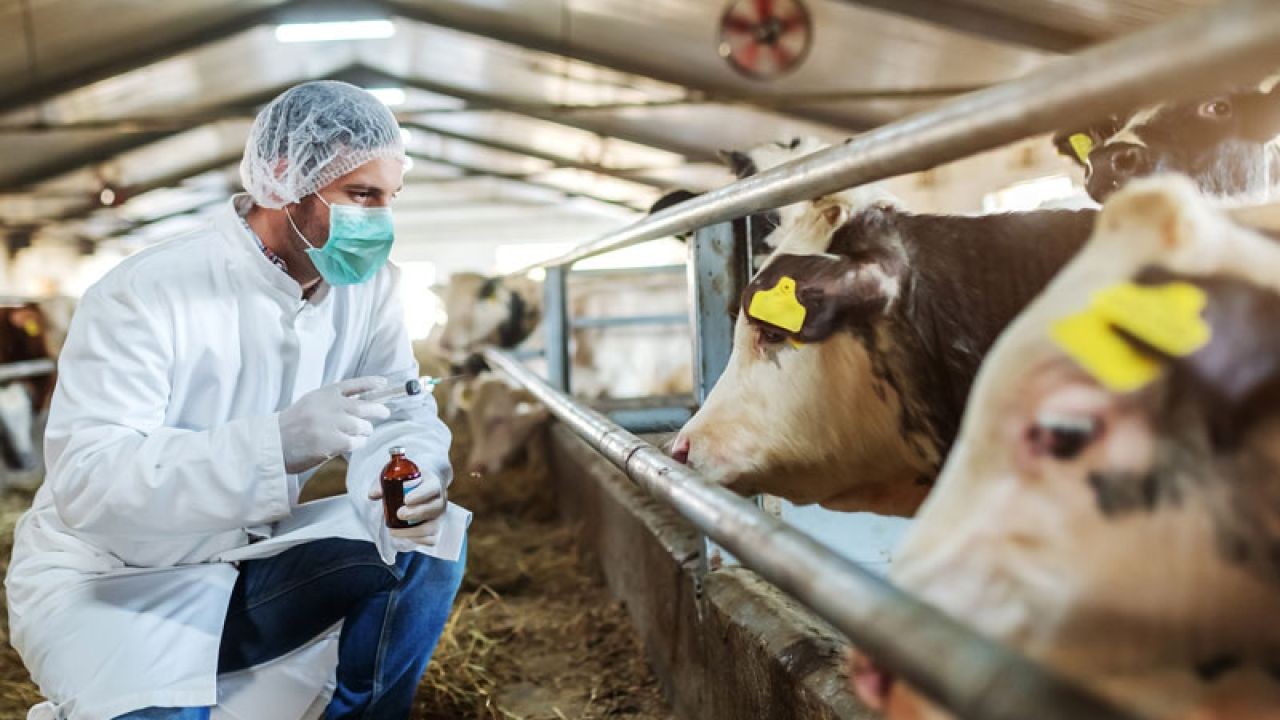
In today's rapidly evolving agricultural landscape, the health and biosecurity of livestock have become paramount concerns for Australian producers. With climate change, evolving diseases, and stringent biosecurity regulations, the need for comprehensive, easily accessible resources has never been greater. This article delves into the transformative potential of video guides in enhancing livestock health and biosecurity, offering a data-backed, insightful analysis tailored for decision-makers and technical readers in the broadcast media industry.
Understanding the Importance of Livestock Health and Biosecurity in Australia
Australia's agricultural sector is a cornerstone of its economy, contributing significantly to GDP and employment. According to the Australian Bureau of Statistics (ABS), the agriculture sector contributed approximately AUD 60 billion to the Australian economy in 2022, with livestock accounting for a substantial portion of this figure. As such, maintaining robust livestock health and biosecurity is not just a matter of economic importance but is also essential for safeguarding public health and environmental sustainability.
Recent data from the Department of Agriculture, Water and the Environment highlights the increasing incidence of livestock diseases, which can lead to severe economic losses. In 2022, Australia faced an estimated AUD 2 billion in losses due to livestock disease outbreaks. Video guides, offering visual and practical insights, present an innovative solution to these challenges, providing producers with the tools needed to implement effective biosecurity measures.
The Role of Video Guides in Enhancing Livestock Health and Biosecurity
Video guides serve as a potent medium for disseminating knowledge and best practices in livestock management. Unlike traditional manuals, videos offer dynamic, engaging content that can be easily understood and applied by producers. A study conducted by the University of Sydney found that visual learning enhances knowledge retention by 60% compared to text-based learning. This makes video guides an ideal tool for training and educating farmers on complex biosecurity protocols.
Case Study: Success of Video Guides in New South Wales
In New South Wales, the introduction of video guides for livestock management has yielded impressive results. The New South Wales Department of Primary Industries (NSW DPI) launched a series of video tutorials aimed at educating farmers on best practices for biosecurity and animal health. Within six months, farms that implemented strategies from these guides reported a 30% reduction in disease outbreaks, translating to significant cost savings and improved productivity.
Comparative Analysis: Video Guides vs. Traditional Training Methods
Pros of Video Guides
- Higher Engagement: Video content is inherently more engaging than traditional text, leading to higher retention rates.
- Accessibility: Videos can be accessed anytime, anywhere, providing flexibility for producers with varying schedules.
- Practical Demonstrations: Videos can visually demonstrate complex procedures, making them easier to understand and replicate.
- Cost-Effective: Once produced, videos can be disseminated widely with minimal additional costs.
Cons of Video Guides
- Initial Production Costs: High-quality video production can be expensive and time-consuming.
- Technological Barriers: Not all producers may have access to the necessary technology to view video content.
- Language and Cultural Barriers: Videos need to be tailored to different languages and cultural contexts to be effective.
In comparison, traditional training methods, such as workshops and printed manuals, offer the benefits of direct interaction and hands-on practice. However, they often require significant time and resources, both for organization and participation. Moreover, the COVID-19 pandemic has further highlighted the limitations of in-person training, propelling the shift towards digital solutions like video guides.
Addressing Common Myths About Livestock Health Management
Myth vs. Reality
- Myth: "All livestock diseases are preventable with vaccines."
- Reality: While vaccines play a crucial role, comprehensive biosecurity measures are essential for preventing outbreaks, as not all diseases are vaccine-preventable.
- Myth: "Only large farms need stringent biosecurity protocols."
- Reality: Biosecurity is vital for farms of all sizes to prevent the spread of diseases, which can affect entire regions regardless of individual farm size.
Biggest Mistakes to Avoid in Livestock Management
- Neglecting Regular Health Checks: Skipping routine health assessments can lead to undetected diseases, resulting in costly outbreaks.
- Ignoring Biosecurity Protocols: Failure to implement and adhere to biosecurity measures increases the risk of disease introduction and spread.
- Over-reliance on Antibiotics: Excessive use of antibiotics can lead to resistance, making it crucial to adopt alternative health management practices.
Future Trends & Predictions in Livestock Health and Biosecurity
Looking ahead, the integration of technology in livestock management will continue to grow. The adoption of AI-driven monitoring systems and IoT devices is expected to revolutionize how producers manage animal health. According to a report by CSIRO, by 2030, 75% of Australian farms are projected to incorporate some form of digital technology in their operations, enhancing efficiency and biosecurity outcomes.
Furthermore, Australia's commitment to environmental sustainability, as outlined in its National Farmers' Federation 2030 Roadmap, will drive innovation in livestock management practices, focusing on reducing emissions and improving animal welfare.
Final Takeaways & Call to Action
- Embrace Video Learning: Producers should leverage video guides for their ease of access and effectiveness in knowledge transfer.
- Implement Comprehensive Biosecurity Measures: Beyond vaccines, holistic biosecurity protocols are crucial for disease prevention.
- Stay Informed on Emerging Technologies: Keep abreast of technological advancements to enhance livestock productivity and health.
As the landscape of Australian agriculture evolves, embracing innovative solutions like video guides will be key to maintaining competitive, sustainable, and resilient livestock operations. We encourage producers to explore available resources and share their experiences to foster a more informed and prepared agricultural community.
People Also Ask (FAQ)
- How do video guides impact livestock health management? Video guides improve knowledge retention and application, leading to better livestock health outcomes and reduced disease incidence.
- What are the biggest misconceptions about livestock biosecurity? One common myth is that only large farms need biosecurity protocols, whereas all farms, irrespective of size, should implement them.
- What are the best strategies for implementing biosecurity measures? Experts recommend starting with risk assessments, followed by tailored biosecurity plans, and ensuring compliance and regular training.
Related Search Queries
- Australian livestock biosecurity measures
- Video guides for farm management
- Innovations in animal health Australia
- Biosecurity impact on Australian agriculture
- Digital tools for livestock management
- Future of farming in Australia
- Challenges in Australian agriculture
- Reducing livestock disease in Australia
- Best practices for farm biosecurity
- Technology in Australian agriculture
For the full context and strategies on Livestock Health and Biosecurity Video Guides for Aussie Producers, see our main guide: Farm Livestock Videos Australia.