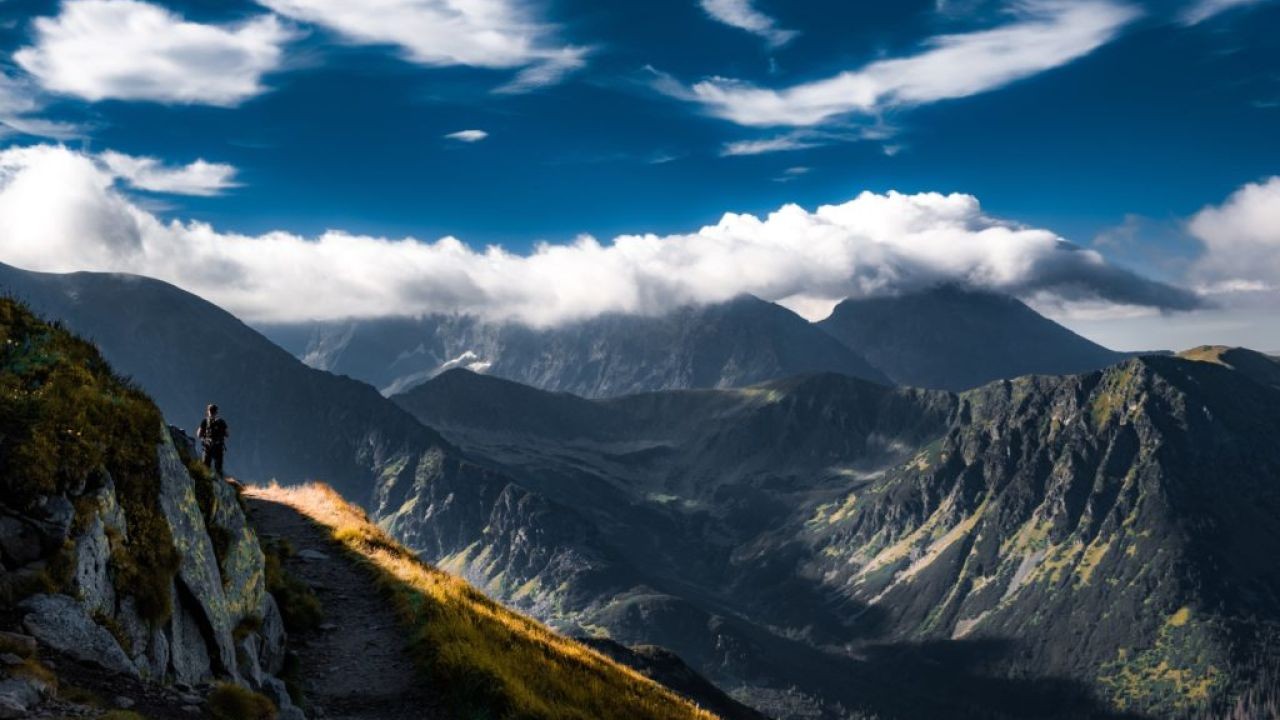





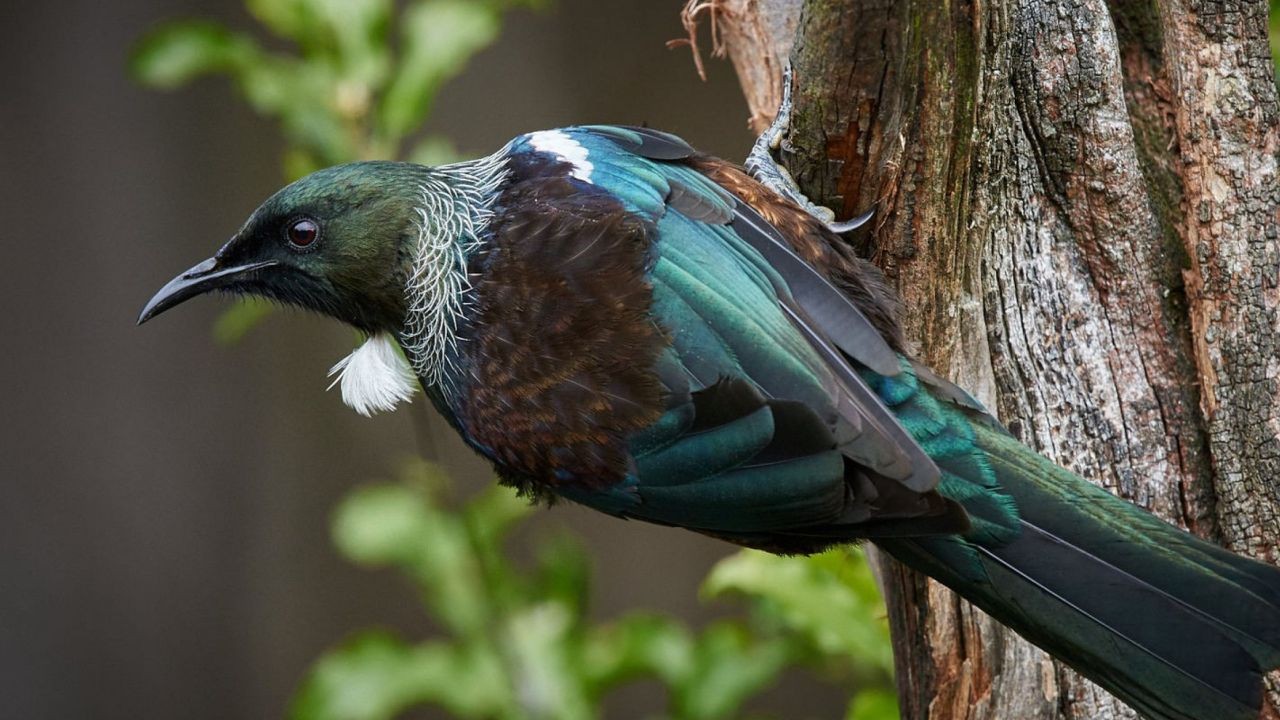
New Zealand's national parks are not only a sanctuary for its iconic landscapes but also a haven for over 50% of its native bird species. This remarkable statistic highlights the critical role these parks play in preserving biodiversity. But beyond their ecological importance, the flourishing of these avian populations within national parks has subtle yet profound implications for New Zealand’s economy, particularly in sectors like tourism and conservation funding.
The Importance of National Parks in Avian Conservation
National parks in New Zealand, such as Fiordland and Abel Tasman, offer a refuge for native birds like the Kiwi, Tūī, and Kea. According to the Department of Conservation (DoC), these parks cover over 30% of New Zealand's land area, providing the necessary habitats that many bird species need to thrive. This concentration of biodiversity is not only an ecological asset but also a significant economic driver. As Professor David Norton from the University of Canterbury notes, "Tourism is a multi-billion-dollar industry in New Zealand, with nature-based tourism, including bird watching, contributing substantially to the economy."
Economic Impact: A Closer Look at Tourism and Conservation Funding
The intertwining of native bird species and national parks creates a unique value proposition for New Zealand's tourism industry. Birdwatchers from around the globe flock to these parks, drawn by the chance to see species that exist nowhere else on earth. This influx supports local economies, particularly in remote regions where alternative economic opportunities may be limited.
Moreover, the presence of these bird species is a powerful draw for international tourists, directly impacting sectors such as hospitality, travel, and local retail. According to Stats NZ, international tourism generated NZD 17.5 billion in 2019, a significant portion of which was attributed to eco-tourism.
Case Study: Stewart Island's Economic Revival Through Bird Conservation
Stewart Island, home to one of New Zealand's most diverse bird populations, has seen its economy revitalized through ecotourism. The island's focus on preserving native bird habitats and promoting birdwatching tours has led to a 25% increase in tourism revenue over the past decade. Local businesses, from hotels to tour operators, have flourished as a result. As Lisa Ellis, a conservationist on Stewart Island, explains, "The birds are the lifeblood of our economy. Their presence attracts visitors who spend money in our community, supporting jobs and conservation efforts."
Comparative Analysis: Lessons from Global Conservation Efforts
New Zealand is not alone in leveraging its natural heritage for economic gain. Costa Rica, for example, has successfully integrated its rich biodiversity into its tourism strategy. By promoting sustainable tourism and investing in conservation, Costa Rica has attracted millions of ecotourists annually, contributing to a robust economy. New Zealand can glean insights from such global examples to further enhance its strategies, ensuring both economic and environmental sustainability.
Industry Insight: The Role of Government Policies
Government policies play a pivotal role in sustaining the delicate balance between conservation and economic growth. The New Zealand government's Predator Free 2050 initiative is a testament to this, aiming to eliminate invasive species that threaten native bird populations. This policy not only protects biodiversity but also enhances New Zealand's reputation as a leader in conservation, further boosting its tourism appeal.
According to the Ministry of Business, Innovation and Employment (MBIE), the Predator Free 2050 initiative is expected to create numerous jobs in conservation and related fields, demonstrating how environmental policies can drive economic growth.
Pros and Cons: Balancing Conservation with Economic Development
Pros:
- Economic Growth: Nature-based tourism generates significant revenue and supports local economies.
- Job Creation: Conservation efforts and tourism create jobs in remote areas.
- Enhanced Global Reputation: New Zealand is recognized as a leader in biodiversity conservation.
- Environmental Benefits: Protecting bird habitats helps preserve ecosystems.
Cons:
- Over-Tourism Risk: Increased tourism can lead to environmental degradation if not managed properly.
- Resource Allocation: Significant funding is required for conservation efforts.
- Potential Conflicts: Balancing economic interests with conservation can be challenging.
- Local Impact: Communities may face changes in lifestyle and culture due to tourism.
Myths and Misconceptions
- Myth: All native birds are thriving in New Zealand.Reality: While national parks support many species, others remain at risk due to habitat loss and predators.
- Myth: Economic development is always at odds with conservation.Reality: Strategic policies can align economic growth with environmental protection.
- Myth: Conservation funding is a financial burden.Reality: Investment in conservation can yield high economic returns through tourism and job creation.
Future Trends and Predictions
Looking ahead, the integration of technology and conservation offers promising opportunities. The use of drones and AI in monitoring bird populations and habitats can enhance conservation efforts and provide valuable data for research and tourism. By 2030, it is predicted that technology-driven conservation practices will become standard, further solidifying New Zealand's position as a leader in sustainable tourism.
Conclusion: Embracing a Sustainable Future
The symbiotic relationship between New Zealand's national parks and its native bird species highlights the potential for conservation to drive economic prosperity. By continuing to support and innovate in conservation efforts, New Zealand can ensure a thriving economy that respects and preserves its natural heritage. As we look to the future, the challenge lies in balancing development with environmental stewardship, ensuring that both can coexist for the benefit of generations to come.
What’s your perspective on New Zealand’s approach to conservation and economic growth? Share your thoughts below!
People Also Ask
- How does bird conservation impact New Zealand’s economy?Bird conservation enhances New Zealand's tourism appeal, contributing to economic growth and job creation in local communities.
- What are the economic benefits of national parks in New Zealand?National parks boost tourism, support local businesses, and create jobs, particularly in remote areas.
- Is conservation funding worth the investment?Yes, conservation funding can yield substantial economic returns through increased tourism and biodiversity preservation.
Related Search Queries
- New Zealand national parks and bird species
- Economic impact of tourism in New Zealand
- Conservation efforts in New Zealand
- Impact of government policies on biodiversity
- Sustainable tourism strategies in New Zealand
For the full context and strategies on Over 50% of New Zealand’s Native Bird Species Live in Its National Parks – What Every Young Kiwi Should Know Today, see our main guide: Product Demo Tutorial Videos Nz.