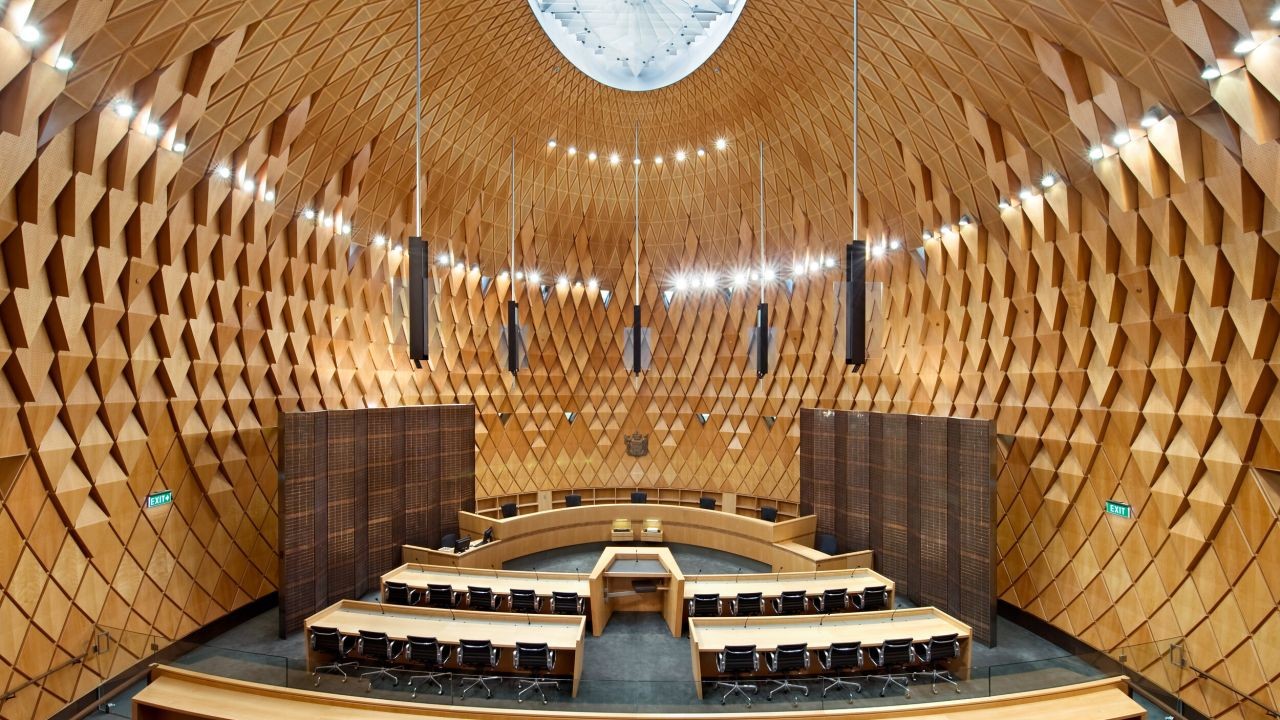







International students have surged to the forefront of Australian higher education, transforming the landscape of universities across the nation. This phenomenon is not simply a matter of increased enrollment; it represents a complex interplay of economic factors, educational policies, and cultural dynamics that are reshaping Australia's academic institutions. As a medical researcher, understanding these trends is crucial, as they offer insights into the changing demographics and priorities of higher education, which have significant implications for research funding, diversity in medical studies, and the global exchange of knowledge.
The Economic Imperative Behind International Student Recruitment
Australia's universities are increasingly reliant on international students as a vital source of revenue. According to the Australian Bureau of Statistics (ABS), international education contributes over AUD 40 billion annually to the Australian economy, making it the country's largest service export. This financial influx supports not only the universities but also the broader economy, through accommodation, retail, and cultural sectors.
However, this dependence has raised concerns about the sustainability of such a model. The Reserve Bank of Australia (RBA) has cautioned that over-reliance on international students could expose universities to economic vulnerabilities, especially in times of global uncertainty, such as the COVID-19 pandemic. This economic backdrop is essential for understanding the strategic decisions universities make regarding international student recruitment.
Case Study: University of Melbourne – Strategic Student Recruitment
The University of Melbourne has successfully leveraged international student recruitment to enhance its global standing. By focusing on providing specialized programs in fields like medical research and biotechnology, the university has attracted top-tier international students, leading to a 35% increase in applications from overseas in the past five years.
Problem: The university faced the challenge of maintaining its reputation while expanding its international student base.
Action: It developed targeted recruitment strategies, including partnerships with overseas educational agencies and alumni networks.
Result: These efforts resulted in a 20% increase in international student enrollment and a significant boost in research funding.
Takeaway: Strategic recruitment, coupled with high-quality programs, can enhance both reputation and revenue.
Influence of Government Policies on International Student Enrollment
Government policies play a crucial role in shaping the landscape of international student enrollment. The Australian Government's National Strategy for International Education 2025 aims to strengthen Australia's position as a global leader in education by improving visa processes, supporting student well-being, and enhancing pathways to employment.
However, regulatory shifts such as changes in immigration policies or tuition fee caps can significantly impact the flow of international students. The Australian Competition & Consumer Commission (ACCC) has highlighted the need for transparency in tuition fees and education quality to ensure international students receive value for their investment.
Case Study: Impact of Visa Policy Changes
The introduction of streamlined visa processing in 2016 significantly boosted international student numbers. However, the recent tightening of post-study work visas has led to a 15% decline in applications from key markets like India and China.
Problem: Visa policy changes disrupted the steady influx of international students.
Action: Universities lobbied for policy adjustments and increased support services for international students.
Result: Although applications initially declined, subsequent policy revisions and enhanced student support have stabilized numbers.
Takeaway: Government policies can dramatically influence international student dynamics, necessitating strategic adaptability from universities.
Driving Forces: Quality of Education and Global Competition
The pursuit of high-quality education is a significant motivator for international students choosing Australian universities. Australia consistently ranks highly in global education indices, with institutions like the University of Sydney and the Australian National University (ANU) renowned for their research output and innovative teaching methodologies.
Nevertheless, Australian universities face stiff competition from other English-speaking countries like the United States, the United Kingdom, and Canada. To remain competitive, Australian institutions must continuously enhance their academic offerings and support services, particularly in STEM fields and medical research, where international collaboration is increasingly vital.
Case Study: Enhancing Research Capacity
The University of Sydney has focused on strengthening its research capabilities by fostering international collaborations and investing in cutting-edge facilities.
Problem: To attract top international talent, the university needed to bolster its research infrastructure.
Action: It established joint research initiatives with global partners and invested in state-of-the-art laboratories.
Result: These efforts led to a 25% increase in international research collaborations and an influx of international postgraduate researchers.
Takeaway: Robust research environments are key to attracting international students and fostering global academic partnerships.
Common Myths and Mistakes in International Student Recruitment
- Myth: "International students only study business and IT." Reality: While popular, a significant number pursue engineering, medical research, and humanities, contributing to diverse academic fields (Source: ABS).
- Myth: "All international students are wealthy." Reality: Many rely on scholarships and part-time work to fund their studies, highlighting the importance of financial support systems (Source: RBA).
- Myth: "International students only come for the PR benefits." Reality: The primary drivers are quality education and career opportunities, although PR prospects can be an added incentive (Source: Australian Government Education Strategy).
Future Trends and Predictions in International Education
Looking ahead, the landscape of international student recruitment in Australia is poised for further transformation. By 2028, it is anticipated that technological advancements such as AI-driven personalized learning and virtual reality campuses will become integral to the education experience. According to a Deloitte report, these innovations could lead to a 30% increase in student engagement and retention.
Moreover, as global mobility resumes post-pandemic, we can expect a diversification of international student demographics, with growing interest from regions like Africa and South America. This shift will require Australian universities to adapt their recruitment strategies and academic offerings to cater to new markets and cultural contexts.
Conclusion
International students are a cornerstone of Australia's higher education system, bringing both economic benefits and opportunities for cultural and academic exchange. As universities navigate the challenges and opportunities presented by this dynamic demographic, strategic recruitment, robust academic offerings, and adaptive policies will be essential to sustain and enhance Australia's position as a global education leader. Engage with this evolving landscape by sharing your thoughts on how international students have impacted your field of research or study.
People Also Ask (FAQ)
- How do international students benefit Australian universities? International students contribute significantly to the economy, enhance cultural diversity, and boost research capacity, particularly in fields like medical research.
- What challenges do international students face in Australia? They often encounter issues like cultural adjustment, financial burdens, and navigating complex visa regulations.
- How has COVID-19 affected international student enrollment in Australia? The pandemic initially led to a decline in enrollments, but online learning and revised visa policies have helped stabilize the numbers.
Related Search Queries
- International students in Australia statistics
- Impact of international education on Australian economy
- Australian universities ranking 2024
- Visa requirements for international students in Australia
- Post-study work opportunities in Australia
- Challenges faced by international students in Australia
- Future of international education in Australia
- Impact of COVID-19 on Australian universities
- Scholarships for international students in Australia
- Australian government education policies
For the full context and strategies on How International Students Are Dominating Australian Universities – The Surprising Way It’s Affecting Australian Lives, see our main guide: Event Festival Videos Australia.